
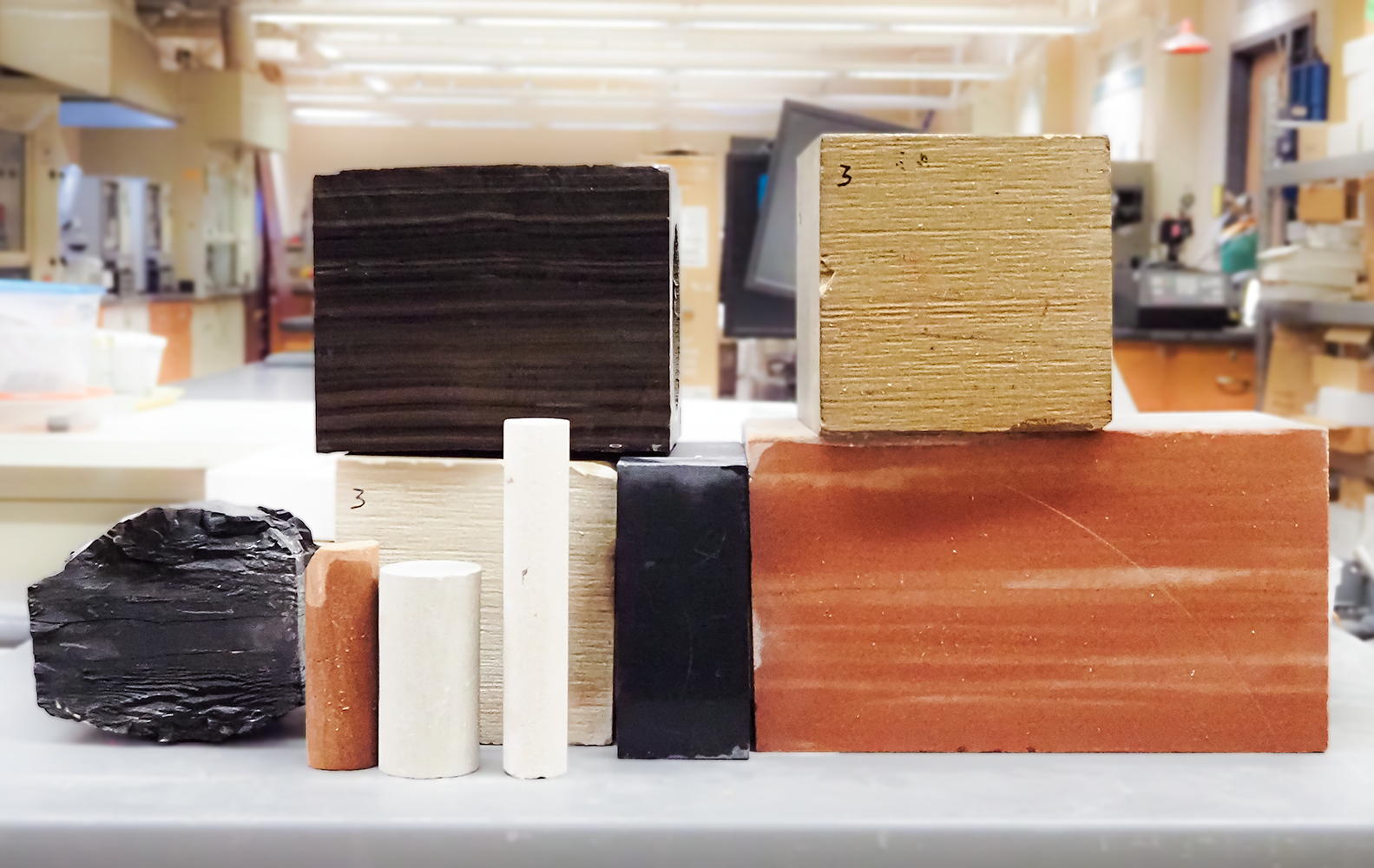
We take a holistic approach to studying rock and fluid properties—characterizing rocks by porosity, pore size, surface area, microstructure, and mineralogy before measuring permeability. This allows us to establish relationships between petrophysical properties and use one to estimate others.
Our advanced analytical tools help us solve challenges in both conventional and unconventional reservoirs. When needed, we design custom instruments—such as our in-house system for simulating hydraulic fracturing under realistic stress conditions and analyzing fracture networks using acoustic emission and imaging.
Current research areas include:
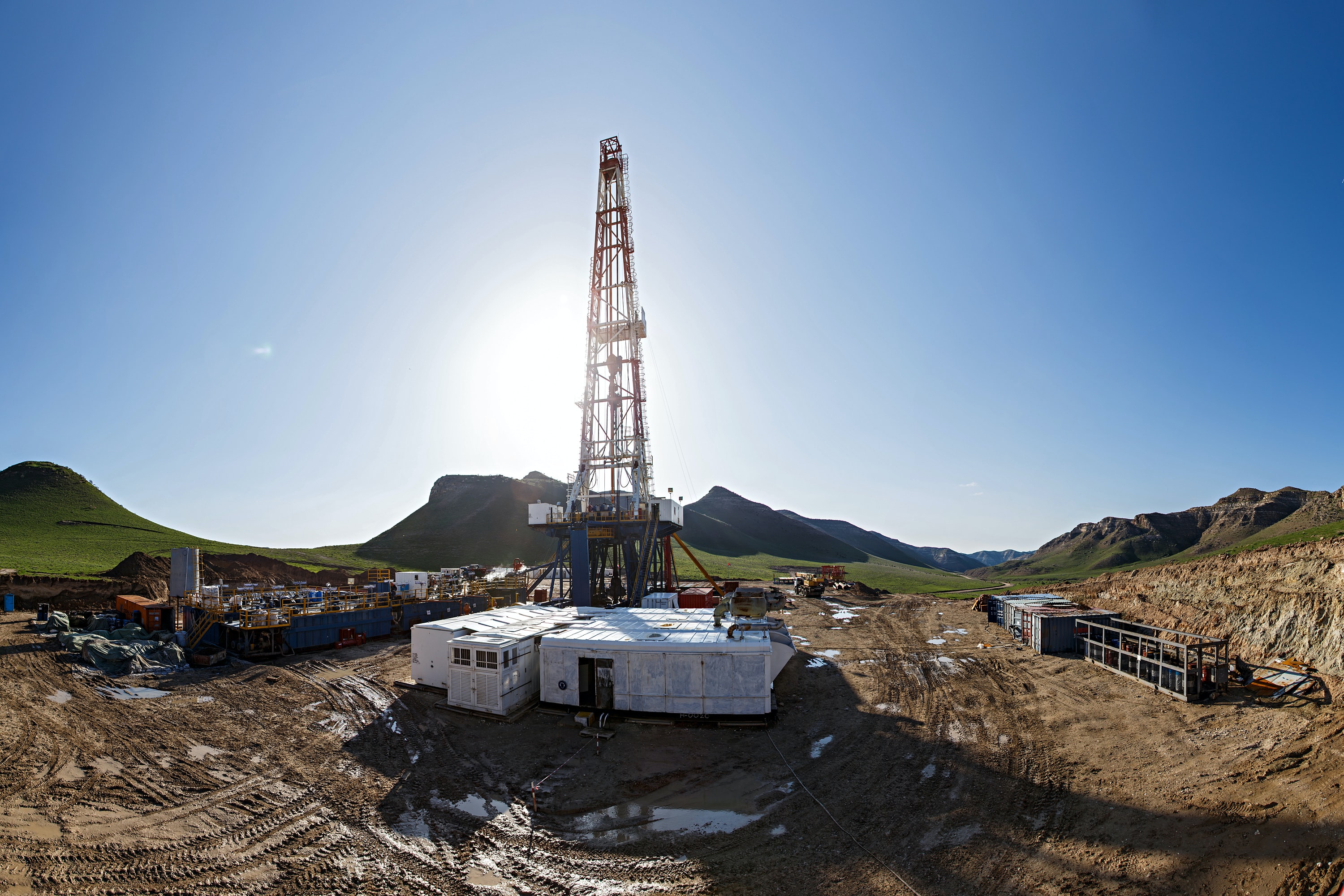
Enhanced oil recovery (EOR) is essential for boosting production, especially in shale reservoirs where primary recovery often tops out at just 10%. While EOG Resources has demonstrated success with Huff-n-Puff EOR in the Eagle Ford shale, key challenges remain in optimizing performance and cost.
Our research focuses on critical questions, including:
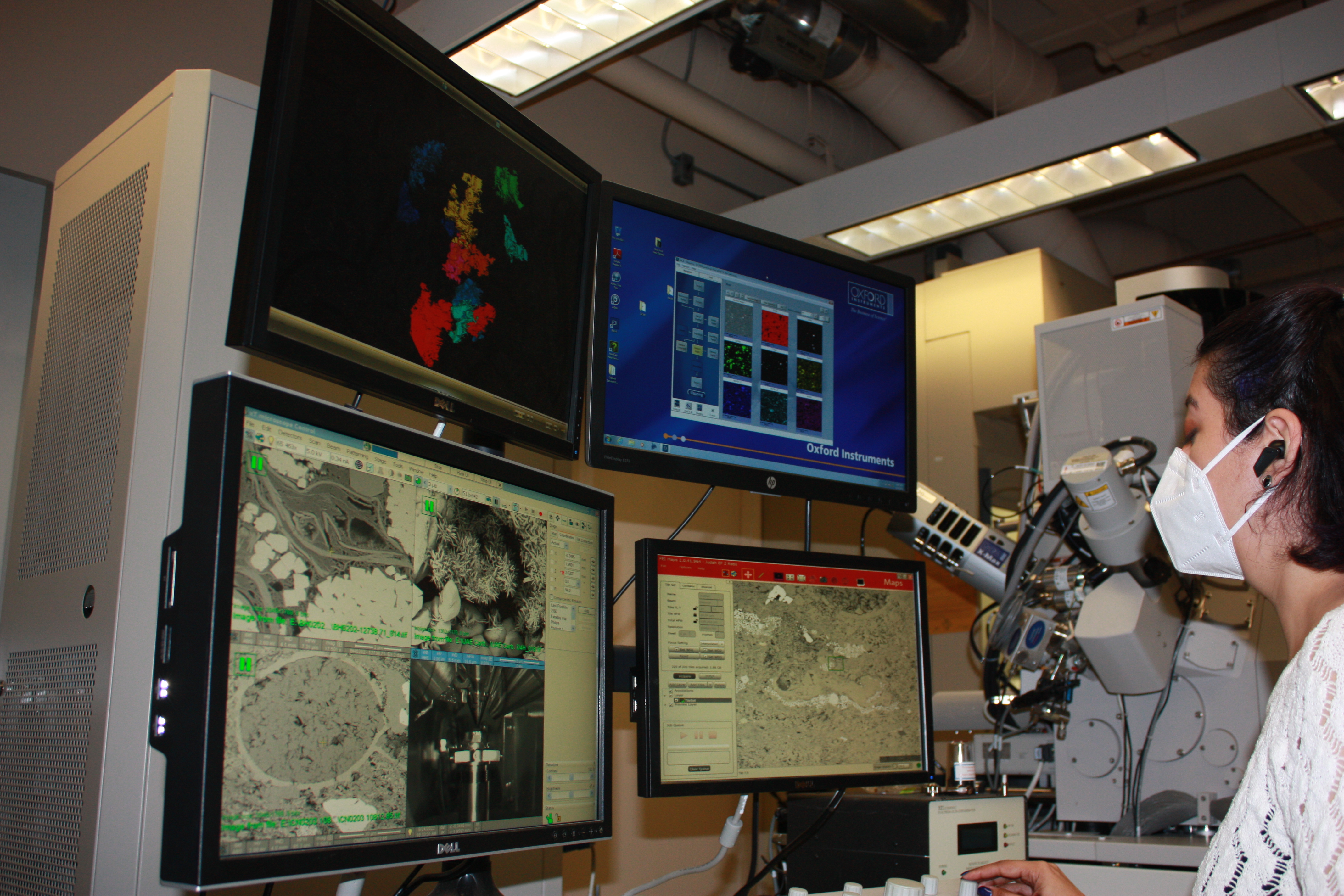
The nano-imaging lab features advanced tools for imaging and analyzing materials from macro to sub-nanometer scale, with full capabilities for SEM and TEM sample preparation.
Research focuses on how rock microstructure influences hydrocarbon storage and flow in unconventional reservoirs, how EOR processes alter reservoir rocks, and how CO₂ and H₂ storage affects geochemistry and geomechanics.
The lab also maintains a large image database of unconventional reservoirs. Combined with the IC3 petrophysical database, it's driving innovations in machine learning-based image analysis, digital rock physics, and property prediction such as Young’s modulus from imaging data.
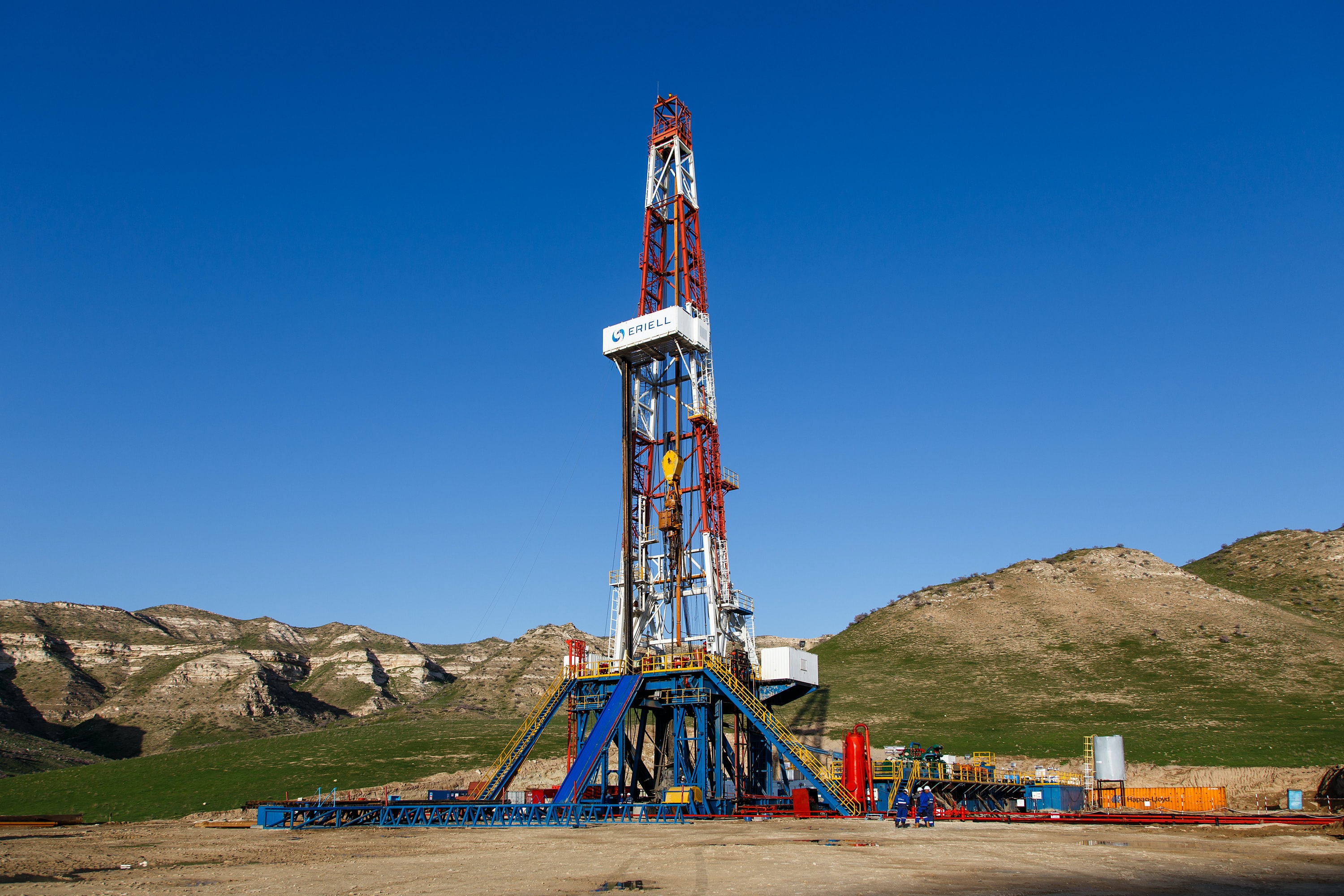
As investment in cleaner fuels like hydrogen grows, large-scale, reliable storage becomes critical—especially for meeting peak demand. While salt caverns have been used successfully, their limited geographic availability calls for alternatives.
Depleted hydrocarbon reservoirs, both conventional and unconventional, offer a more widespread solution storage of H2 and CO2. However, we must understand how these gases affects rock microstructure, mechanical and petrophysical properties, especially under reservoir conditions and in the presence of in situ fluids. Molecular simulations also help explore potential abiotic reactions in the subsurface to ensure safe, effective storage and withdrawal.
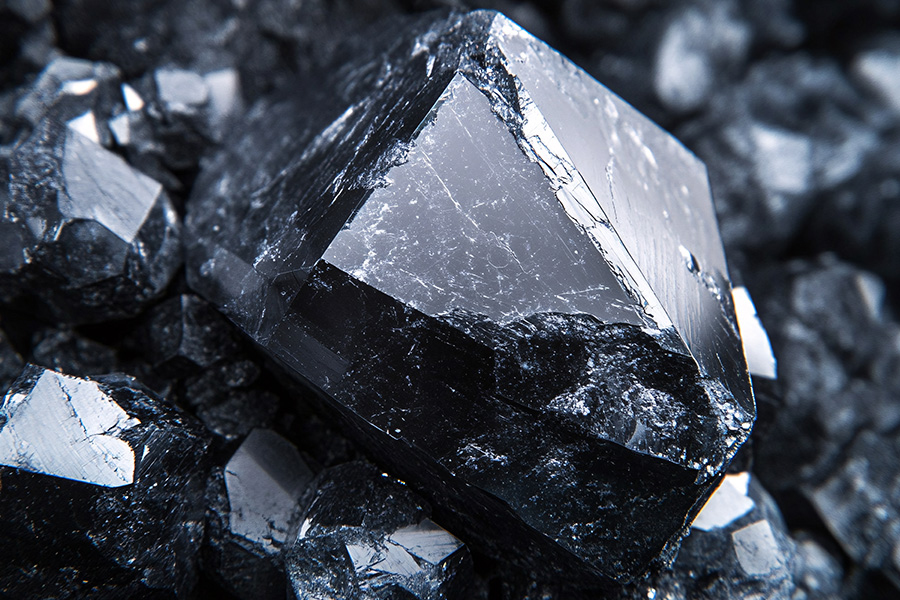
With rising demand for clean energy, electronics, and defense technologies, securing critical minerals like lithium, nickel, copper, cobalt, and rare earth elements is more important than ever. Domestic supplies don't face challenges from geopolitical risks, international ones do.
Our research focuses on identifying reserves and developing efficient, sustainable methods to extract critical minerals from complex sources—including low-grade ores, depleted reservoirs, and unconventional formations. By combining advanced geochemical analysis, innovative separation technologies, and economic evaluation, we aim to strengthen a resilient, responsible U.S. supply chain.

Research at OU’s Integrated Core Characterization Center (IC3) leverages diverse data—from SEM imaging to seismic mapping—to improve reservoir understanding across scales. We also develop workflows that help engineers optimize equipment performance, reduce downtime, and lower operational costs.
As hydrogen gains traction as a clean energy source, scalable, reliable storage is essential. While salt caverns have been used, their limited availability highlights the need for alternatives like depleted oil and gas reservoirs.
To ensure safe and effective storage, we study how hydrogen affects rock properties—microstructure, mechanics, and petrophysics—under reservoir conditions and with in situ fluids. Molecular simulations also help us explore potential abiotic subsurface reactions.

Figure 1: Self-supervised learning provides attention maps using vision transformers to identify microstructural features from SEM images/thin sections to relate image data to petrophysical properties such as porosity, elastic moduli, and mineralogy. Such quick look analyses streamline routine reservoir characterization tasks to provide much needed insights in near real-time for well placement and hydraulic fracturing. This example showcases some of the work done at OU.

Figure 2: Predicted versus actual Young’s modulus using microstructural features extracted from images using trained CNN-based classifier. This is an example from a project where IC3 personnel mentored OU undergraduate students to develop advanced skills necessary for solving cutting-edge problems in the industry. Figure generated by Lucas Livingstone, Class of 2025, now working for Devon Energy.
For starting a research or service project, please Fill out the following form.
