NEWS

NORMAN, OKLA. – Kasun Gunasooriya, Ph.D., an assistant professor in the University of Oklahoma School of Sustainable Chemical, Biological and Materials Engineering, has received a Ralph E. Powe Junior Faculty Enhancement award from the Oak Ridge Associated Universities. He was selected for his research on converting nitrate captured during the water purification process into ammonia, reducing water pollutants while generating an important fertilizer for global agriculture.
“Every year, we produce about 180 million metric tons of ammonia using the Haber-Bosch process worldwide. This process requires high temperature and pressure and consumes about 1% of the world’s annual energy output while generating 1.3% of global carbon dioxide emissions,” said Gunasooriya.
Gunasooriya said that 80% of that ammonia is then converted to nitrogen-based fertilizers, which help produce enough food to feed half of the world’s population. Nitrates find their way into drinking water via these fertilizers. Runoff from fertilized soil enters waterways that lead to lakes and, eventually, drinking water.

“We are asking if we can take these waste nitrates and convert them back to value-added ammonia, completing the cycle. By studying the nitrate reduction reaction electrochemically, we can use renewable electricity to drive this reaction and operate at ambient conditions,” Gunasooriya said.
According to Gunasooriya, nitrates in drinking water are linked to human health complications such as infant methemoglobinemia — also known as “blue baby syndrome,” caused by low blood oxygen levels — and ovarian cancer. High nitrate levels can also cause algae blooms and mass death of aquatic life due to lower oxygen levels in water.
Gunasooriya will study single- and dual-atom alloy catalysts for electrocatalytic nitrate conversion. Single- and dual-atom alloys are metals that host one or two atoms of a different metal, such as a copper host with a single platinum atom. These alloys are a more cost-effective catalyst. Though platinum is very reactive, it is also very expensive; a single atom of platinum with copper is more reactive than copper alone while being more cost-effective than platinum.
A single atom of late transition metals like platinum, palladium, ruthenium, and rhodium also helps eliminate the rate-limiting step, which Gunasooriya compares to a check-out line at the grocery store. “I buy everything as fast as I can, but when I come to the cashier, that’s the rate-limiting step. I have to wait until the person in front of me finishes with the cashier to complete my shopping.”
When converting nitrate, the rate-limiting step is the initial bond-breaking of nitrogen and oxygen. Because nitrate is a stable molecule, it must be destabilized to break the nitrogen-oxygen bond. Late transition metals help to break this bond.
As research on cost-effective ways to remove nitrates from drinking water and convert nitrates to resources, commercialized processes can follow. Access to clean drinking water is one of the 14 grand challenges for engineering in the 21st century set by the National Academy of Engineering.
About the Award
The Powe awards are open to professors at Oak Ridge Associated Universities within the first two years of their tenure track appointment. Learn more about the Ralph E. Powe Junior Faculty Enhancement Awards.
About the University of Oklahoma
Founded in 1890, the University of Oklahoma is a public research university located in Norman, Oklahoma. As the state’s flagship university, OU serves the educational, cultural, economic and health care needs of the state, region and nation. OU was named the state’s highest-ranking university in U.S. News & World Report’s most recent Best Colleges list. For more information about the university, visit ou.edu.
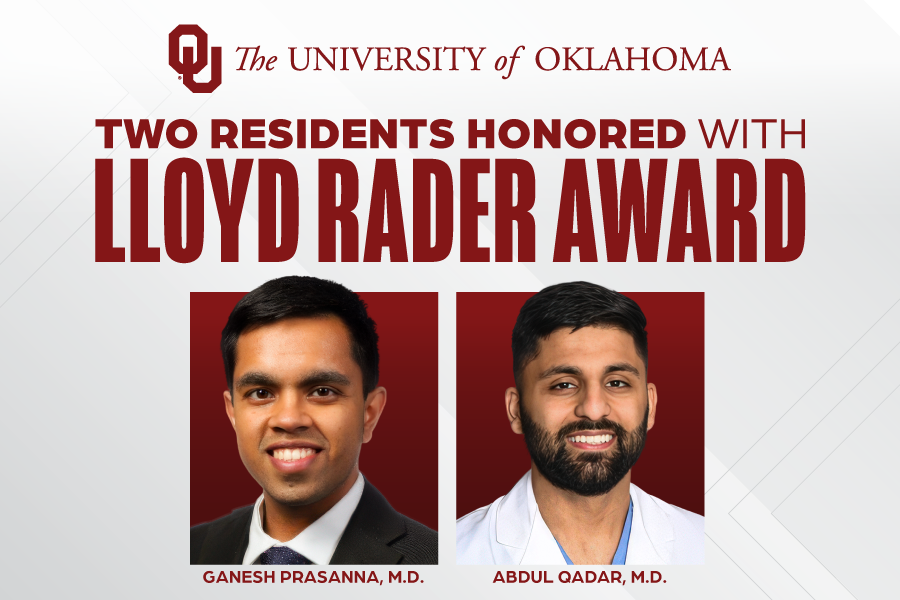
The University of Oklahoma College of Medicine has honored two residents with the Lloyd Rader Award, which recognizes outstanding clinical and research achievements in residency.
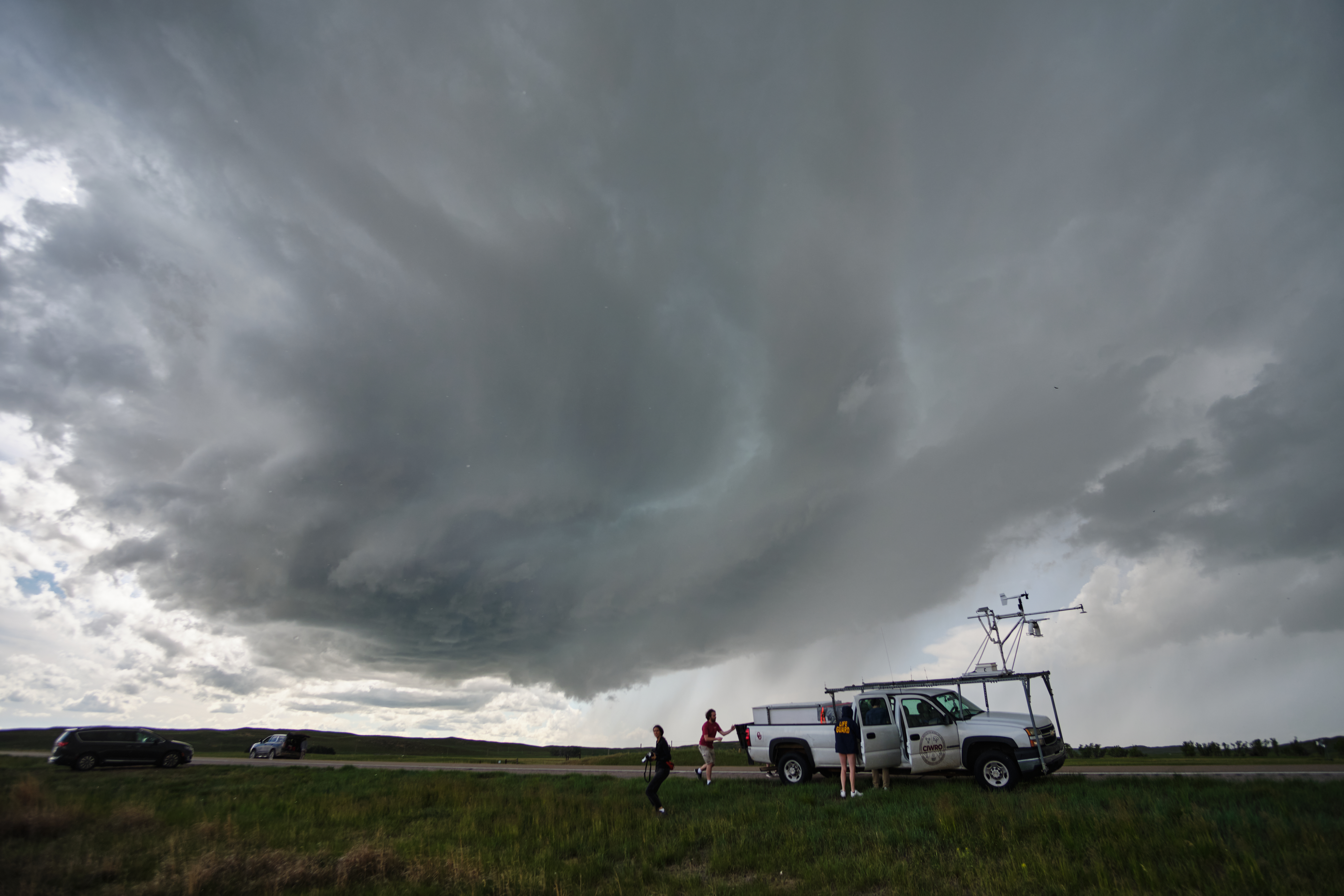
The University of Oklahoma will receive up to $220 million over five years from the U.S. Department of Commerce and the National Oceanic and Atmospheric Administration to continue the life-saving weather research led by the OU-NOAA Cooperative Institute for Severe and High-Impact Weather Research and Operations, extending a nearly 50-year partnership that has helped give Americans earlier, more accurate weather warnings
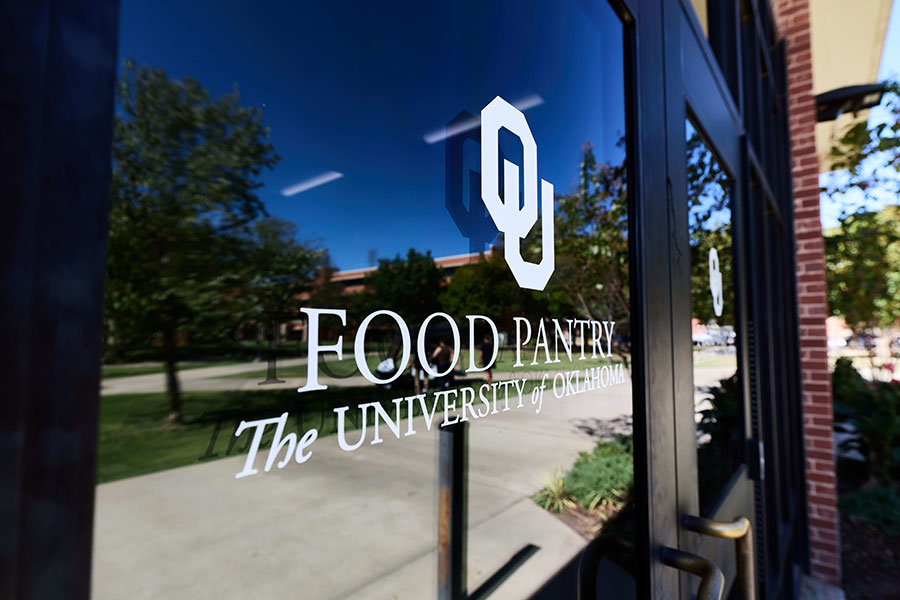
The OU Food Pantry won the annual Red River Food Fight, collecting 31,815.9 pounds of shelf-stable food and drinks to top UT Outpost’s 22,567 pounds. OU has won the competition four years in a row.