NEWS


NORMAN, OKLA. – A recent study, led by University of Oklahoma researcher Hanping Ding, Ph.D., has revealed a new way to convert methane into hydrogen and benzene, a finding that could reduce carbon emissions produced during chemical manufacturing. The article in Nature Communications examines a new catalyst that enhances the process of converting methane into higher-value products, such as aromatics — the building blocks for a variety of consumer products, including chemicals, coatings, detergents and pharmaceuticals.
The production of aromatics depends on crude oil, and current production methods create extensive carbon emissions. This study offers a promising possibility for carbon-free upgrading of natural gas and converting methane to aromatics and hydrogen.
“We have so many resources in Oklahoma. We don’t want to simply burn them to generate heat or generate electricity. We can convert [the resources] to more value-added chemicals,” said Ding, assistant professor in the Gallogly College of Engineering.
Researchers found that adding a mix of platinum and bismuth to the catalyst improved overall performance. The catalyst promotes the activation of methane molecules and facilitates the formation of carbon-carbon bonds necessary to form desired compounds like benzene. This particular catalyst mix helps to activate the methane and to link carbon atoms together more effectively, which increases how much of the final product is produced.
The ability to produce aromatics more efficiently benefits many industries, including potentially reducing carbon emissions in the petroleum refinery industry. Additionally, the catalyst can be regenerated to restore its activity after use, a benefit that could reduce operations costs.
Reduced industry emissions are a focal point of the work done in Ding’s Advanced Materials and Clean Energy Laboratory, which focuses on research with the hope of decarbonizing the world. Efforts to reduce industrial emissions are a step toward making energy production cleaner and better for the climate and human health.
This study is the result of institutional collaboration between the University of Oklahoma, Kansas University, George Mason University and the Idaho National Laboratory.
About the project
“Direct conversion of methane to aromatics and hydrogen via a heterogeneous trimetallic synergistic catalyst” is published in Nature Communications at https://doi.org/10.1038/s41467-024-47595-9.
About the University of Oklahoma
Founded in 1890, the University of Oklahoma is a public research university located in Norman, Oklahoma. As the state’s flagship university, OU serves the educational, cultural, economic and health care needs of the state, region and nation. OU was named the state’s highest-ranking university in U.S. News & World Report’s most recent Best Colleges list. For more information about the university, visit ou.edu.
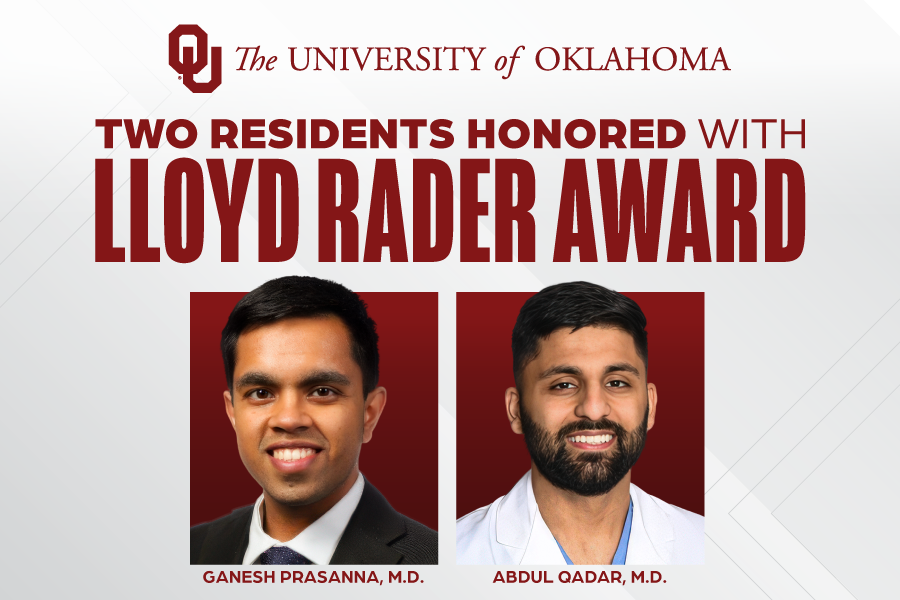
The University of Oklahoma College of Medicine has honored two residents with the Lloyd Rader Award, which recognizes outstanding clinical and research achievements in residency.
The University of Oklahoma will receive up to $220 million over five years from the U.S. Department of Commerce and the National Oceanic and Atmospheric Administration to continue the life-saving weather research led by the OU-NOAA Cooperative Institute for Severe and High-Impact Weather Research and Operations, extending a nearly 50-year partnership that has helped give Americans earlier, more accurate weather warnings
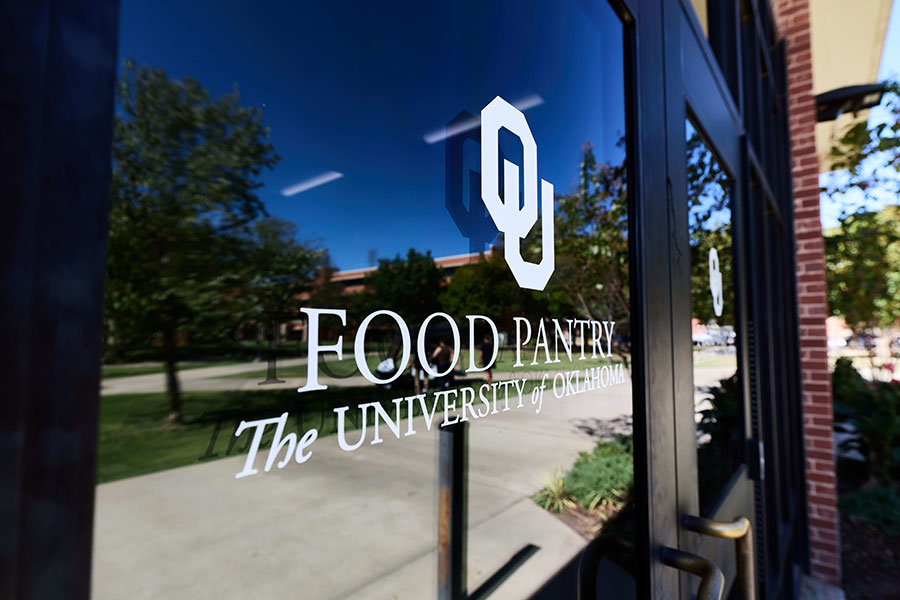
The OU Food Pantry won the annual Red River Food Fight, collecting 31,815.9 pounds of shelf-stable food and drinks to top UT Outpost’s 22,567 pounds. OU has won the competition four years in a row.