NEWS


OKLAHOMA CITY - On March 21, a group of University of Oklahoma medical students learned their future in one moment. These students joined thousands of others across the country as they learned, on the same day, where they will be doing their residency program. Across the OU College of Medicine in Oklahoma City and the OU School of Community Medicine in Tulsa, the university had 152 students who matched into residency programs, with 44% staying in Oklahoma for their training.
“Match Day is a powerful reminder of our purpose at the OU College of Medicine—to train the next generation of physicians and scientists who will shape the future of healthcare,” said Ian Dunn, M.D., executive dean of the College of Medicine. “Whether they stay in Oklahoma or serve communities across the country, our graduates carry forward a legacy of excellence in education, service through compassionate care, and a responsibility to advance medical knowledge through research.”
Match Day is a significant day for fourth-year medical students, as they learn the outcome of days of waiting, weeks of preparation, and years of schooling when they are informed of where they have matched for their residency program. The matching is handled by the National Resident Matching Program, an independent, nonprofit organization that works with over ten thousand programs and 50,000 applicants annually. Medical students apply and interview with their desired residency programs, then register to finalize where they will further their medical training. The programs and applicants submit rank-ordered lists, and NRMP runs a matching algorithm. Applicants and programs receive their results on the third Friday of March each year. The matched applicants will begin their residency training on July 1.
Congratulations to all the University of Oklahoma medical students who are taking this next exciting step in their educational journeys.
About the University of Oklahoma
Founded in 1890, the University of Oklahoma is a public research university located in Norman, Oklahoma. As the state’s flagship university, OU serves the educational, cultural, economic and health care needs of the state, region and nation. For more information about the university, visit www.ou.edu.
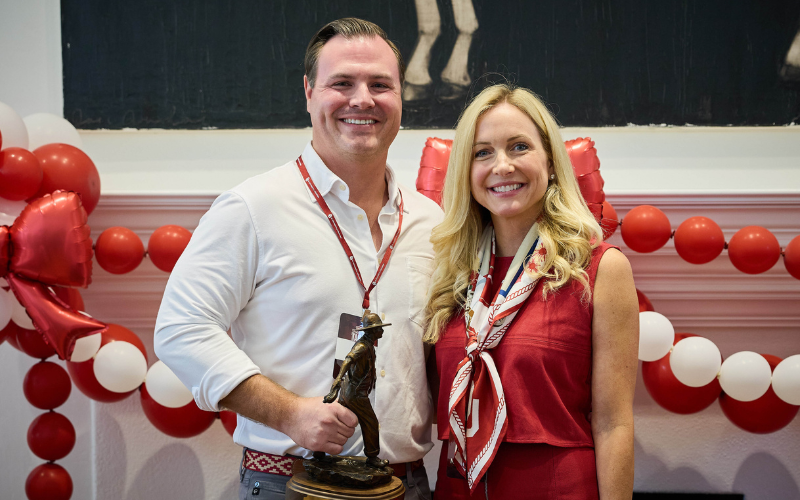
The University of Oklahoma has received a transformative gift from Jon and Shannon McCartney, which will name the McCartney Family Tunnel of Champions, the McCartney Family Gate of the Gaylord Family - Oklahoma Memorial Stadium and the McCartney Family Grand Lecture Hall in the Michael F. Price College of Business. The gift will also support the Inspiring Champions and the Athletic Director’s Discretionary Fund, in addition to establishing the McCartney DFW Career Trek program at Price College.
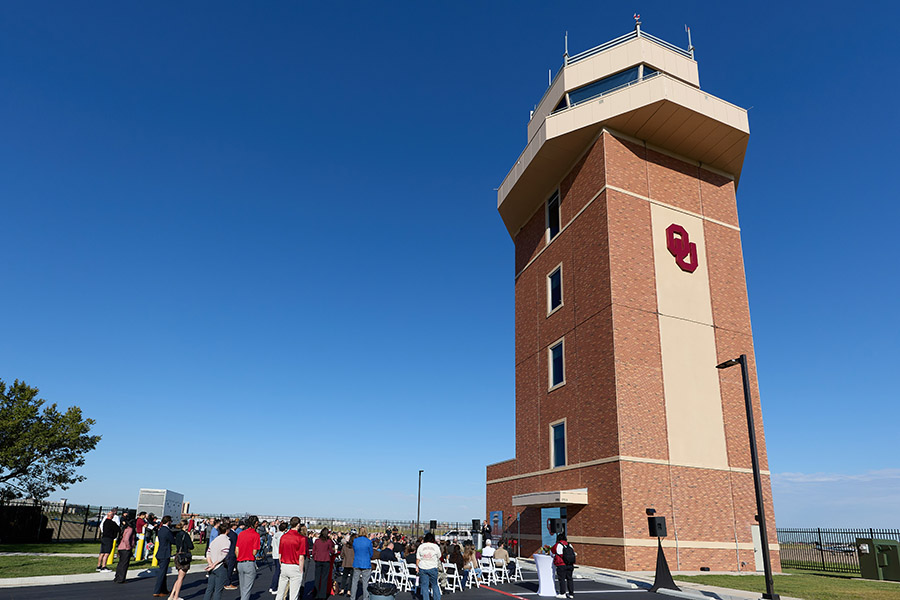
The University of Oklahoma today celebrated the opening of a new air traffic control tower at the OU Max Westheimer Airport. Standing 106 feet tall, more than double the current 52-foot facility, the new tower will modernize air traffic control operations and improve safety for pilots and students operating in the airspace.
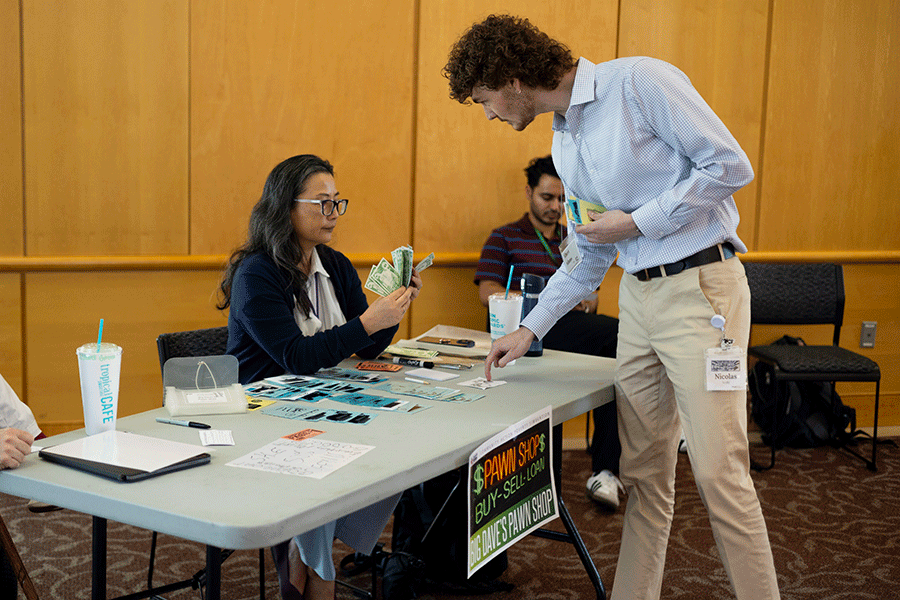
Do I buy groceries or pay the electric bill? Should I pawn some of my belongings to afford my prescription? My child is sick, so I will have to miss work to take care of him. Those are just a few of the difficult choices that OU-Tulsa health professional students confronted during the Community Access to Resources Experience. The role-playing activity challenged students to navigate the financial, family and other pressures that can affect a person’s health and ability to follow medical advice. Held annually during the SCM Institute orientation week, the experience is designed to generate understanding and build empathy.