NEWS


NORMAN, OKLA. – Two University of Oklahoma scientists, Ann West and Resham Bhattacharya, were recently elected to the American Institute for Medical and Biological Engineering’s College of Fellows, representing the top 2% of experts in their fields.
West holds the the Grayce B. Kerr Centennial Chair in the Department of Chemistry and Biochemistry, is an associate vice president for research and partnerships and director of a National Institutes of Health-funded Center of Biomedical Research Excellence (COBRE) in structural biology. She was elected for her “outstanding scientific contributions to molecular engineering and visionary academic leadership in promoting interdisciplinary biosciences and biomedical engineering research.”

Bhattacharya is a professor of obstetrics and gynecology at the OU College of Medicine, co-leader of the Cancer Biology Program and an Oklahoma’s Tobacco Settle Endowment Trust (TSET) research scholar. She was elected for her “pioneering BMI1 research in ovarian cancer, leading to clinical trials and key insights into cellular uptake and delivery.”
To be elected an AIMBE Fellow, a researcher must demonstrate significant contributions to medical and biological engineering research, education or practice, as well as to professional societies or public service. AIMBE Fellows represent the most accomplished leaders in the fields of medical and biological engineering.
Learn more about the 2025 AIMBA Fellows and view the full list of honorees.

About the University of Oklahoma
Founded in 1890, the University of Oklahoma is a public research university located in Norman, Oklahoma. As the state’s flagship university, OU serves the educational, cultural, economic and health care needs of the state, region and nation. For more information about the university, visit www.ou.edu.
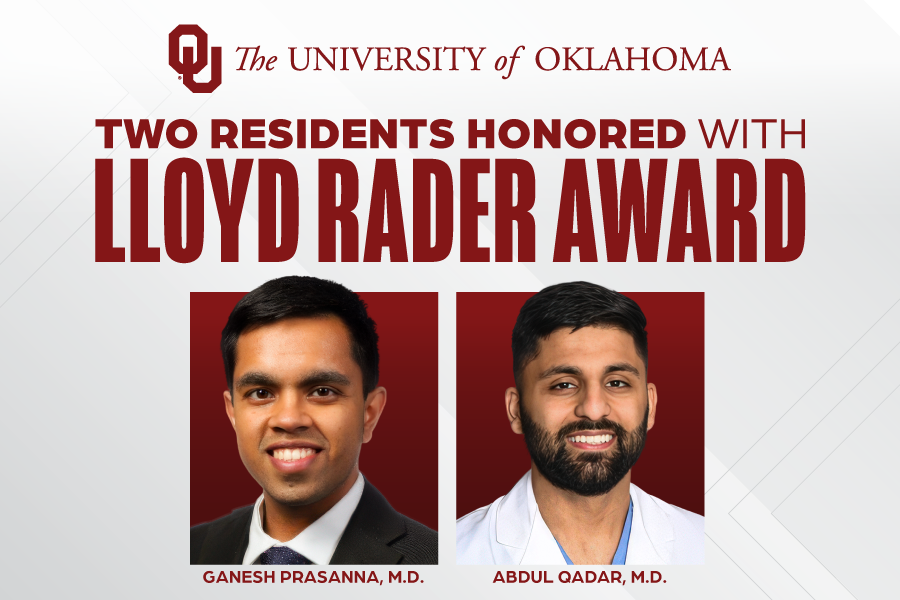
The University of Oklahoma College of Medicine has honored two residents with the Lloyd Rader Award, which recognizes outstanding clinical and research achievements in residency.
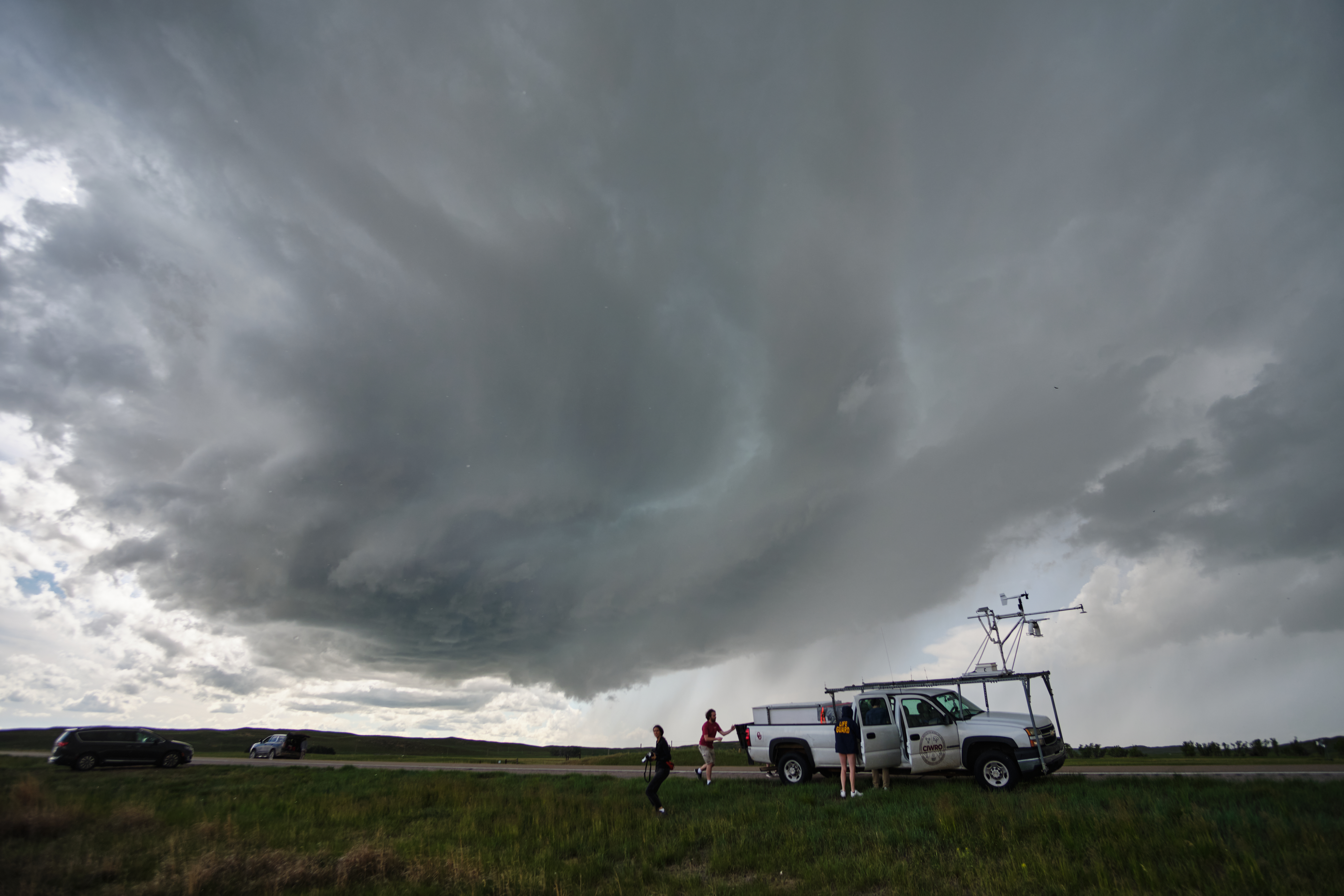
The University of Oklahoma will receive up to $220 million over five years from the U.S. Department of Commerce and the National Oceanic and Atmospheric Administration to continue the life-saving weather research led by the OU-NOAA Cooperative Institute for Severe and High-Impact Weather Research and Operations, extending a nearly 50-year partnership that has helped give Americans earlier, more accurate weather warnings
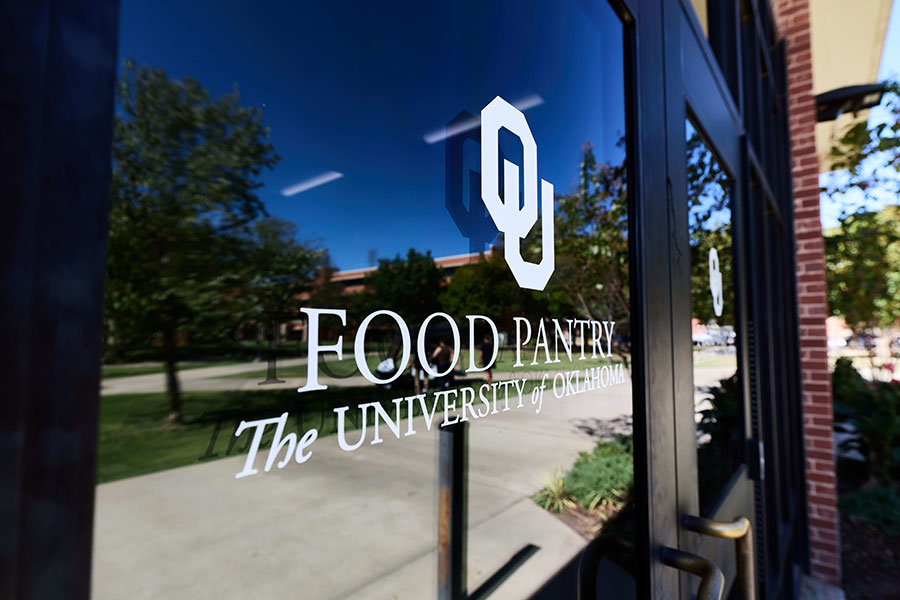
The OU Food Pantry won the annual Red River Food Fight, collecting 31,815.9 pounds of shelf-stable food and drinks to top UT Outpost’s 22,567 pounds. OU has won the competition four years in a row.