NEWS


NORMAN, OKLA. – The University of Oklahoma School of Dance, in partnership with the Oklahoma Parkinson’s Alliance, will offer free Dance for Parkinson’s classes from Aug.19 through Dec.11.
Open to individuals living with Parkinson’s disease as well as their caregivers and family members, the classes will be held twice weekly at the following locations in Norman:
“Offering services such as dance classes for people with Parkinson’s disease is an important part of what we do in the OU School of Dance. It is important that we give back to the community through this life-enhancing program, and at the same time, create a wonderful educational opportunity for our students,” said Michael Bearden, director of the OU School of Dance.
The OU School of Dance has partnered with the Oklahoma Parkinson’s Alliance to provide the program for about 10 years. For more information, email danceforpd@ou.edu.
The Weitzenhoffer Family College of Fine Art produces over 400 concerts, recitals, dramas, musicals, operas and dance performances each year. Learn more at ou.edu/finearts.
About the University of Oklahoma
Founded in 1890, the University of Oklahoma is a public research university located in Norman, Oklahoma. As the state’s flagship university, OU serves the educational, cultural, economic and health care needs of the state, region and nation. For more information about the university, visit www.ou.edu.
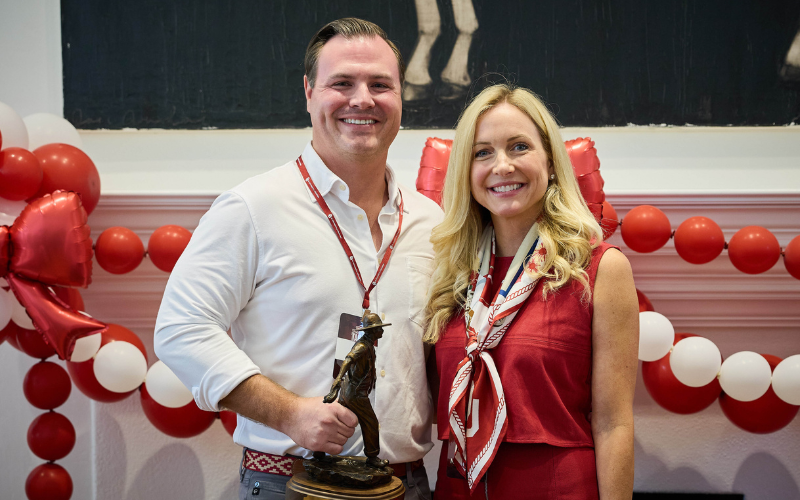
The University of Oklahoma has received a transformative gift from Jon and Shannon McCartney, which will name the McCartney Family Tunnel of Champions, the McCartney Family Gate of the Gaylord Family - Oklahoma Memorial Stadium and the McCartney Family Grand Lecture Hall in the Michael F. Price College of Business. The gift will also support the Inspiring Champions and the Athletic Director’s Discretionary Fund, in addition to establishing the McCartney DFW Career Trek program at Price College.
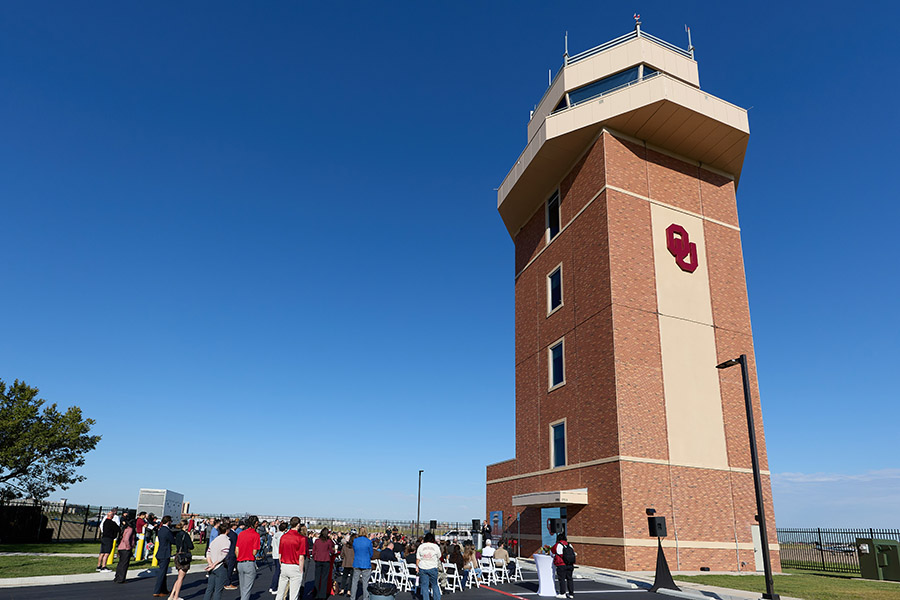
The University of Oklahoma today celebrated the opening of a new air traffic control tower at the OU Max Westheimer Airport. Standing 106 feet tall, more than double the current 52-foot facility, the new tower will modernize air traffic control operations and improve safety for pilots and students operating in the airspace.
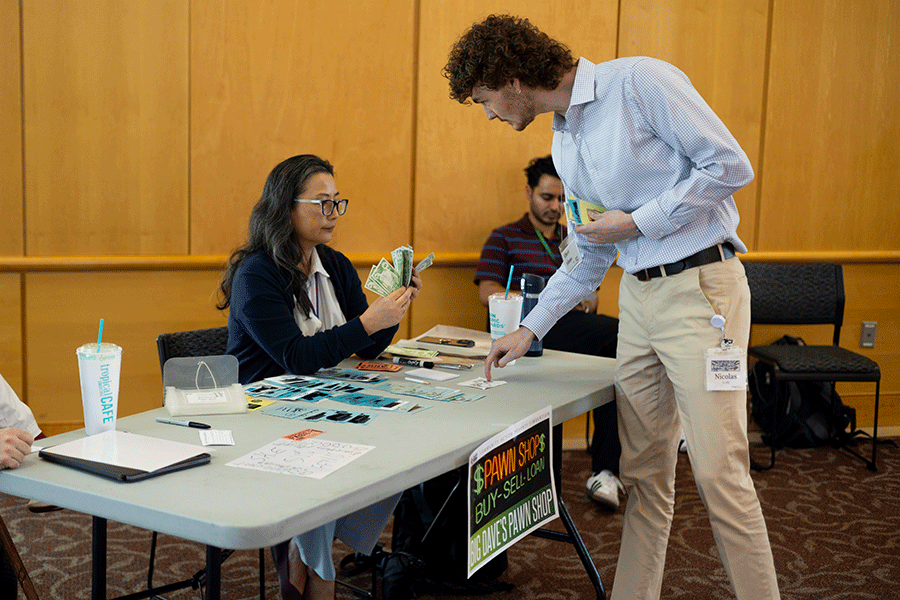
Do I buy groceries or pay the electric bill? Should I pawn some of my belongings to afford my prescription? My child is sick, so I will have to miss work to take care of him. Those are just a few of the difficult choices that OU-Tulsa health professional students confronted during the Community Access to Resources Experience. The role-playing activity challenged students to navigate the financial, family and other pressures that can affect a person’s health and ability to follow medical advice. Held annually during the SCM Institute orientation week, the experience is designed to generate understanding and build empathy.