NEWS


Food & Society at the Aspen Institute, Ardmore Institute of Health, and the American College of Lifestyle Medicine partnered with the University of Oklahoma - Tulsa Culinary Medicine program to bring a national-level convening to Tulsa at the end of January. The discussion revolved around their strategic partnership, which focused on the role of food as medicine in the prevention and management of diabetes. The results from “food is medicine” research being led by OU-Tulsa were included, along with studies shared and discussed at this event.
“I came already excited about Tulsa and the work being done at OU,” says Corby Kummer, executive director and founder of Food & Society at The Aspen Institute. “I left even more excited. They’re constantly learning more about how diets and food you make and learn how to make can improve health and how they, as health care workers, can help people eat better and improve key health metrics.”
According to the Aspen Institute, there is a well-documented intersection between Food is Medicine patients and patients with Type 2 diabetes. The convening aimed to document critical insights and best practices so that those working on diabetes can better understand and deploy Food is Medicine tools as part of a broader prevention and management strategy. The convening brought together diverse participants, including representatives from community-based organizations, health care providers, and rural and Indigenous health leaders. This ensured that a wide range of perspectives and experiences were included in the discussions.
“The diverse backgrounds of the people who came together made this convening truly unique,” said Marianna Wetherill, Ph.D., associate director of the culinary medicine program at OU-Tulsa. “We’re all doing innovative work, we have a lot of challenges that we’re facing, and whenever we come together, we can collectively work through, talk through, exchange ideas, and then bring those back and have those solutions amplified throughout the United States.”
This event was part of a series of workshops convened by Food & Society, built off the fully updated Food is Medicine Research Action Plan, released in the spring of 2024. During the event, participants heard from speakers from local healthcare organizations and those from around the country. They also enjoyed a tour and meal at the Food Bank of Eastern Oklahoma and a tour of the new Culinary Medicine Teaching Kitchen on the OU-Tulsa campus.
“Food intersects with basically every single aspect of our lives,” said Wetherill. “There is a place for food to facilitate healing and change.”

About the University of Oklahoma
Founded in 1890, the University of Oklahoma is a public research university located in Norman, Oklahoma. As the state’s flagship university, OU serves the educational, cultural, economic and health care needs of the state, region and nation. For more information about the university, visit www.ou.edu.
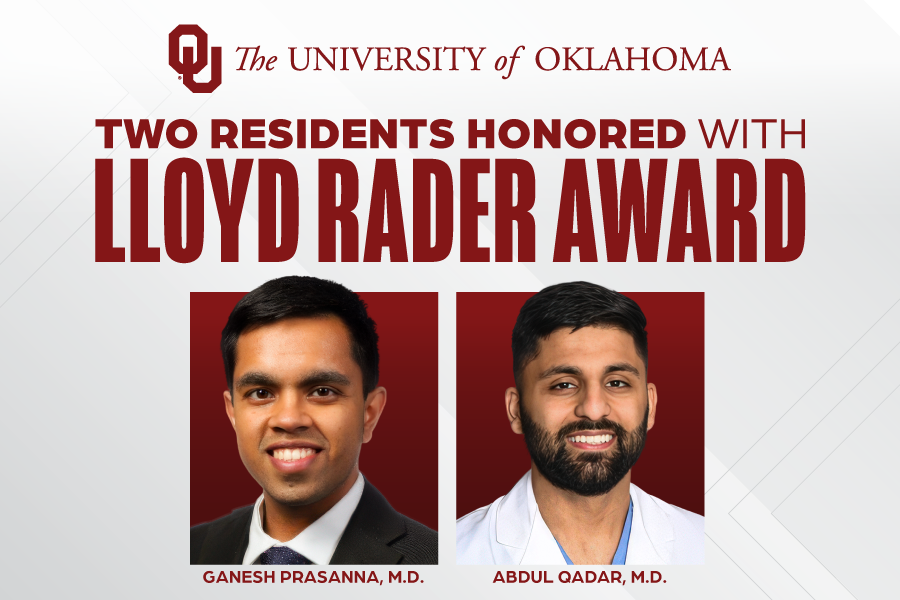
The University of Oklahoma College of Medicine has honored two residents with the Lloyd Rader Award, which recognizes outstanding clinical and research achievements in residency.
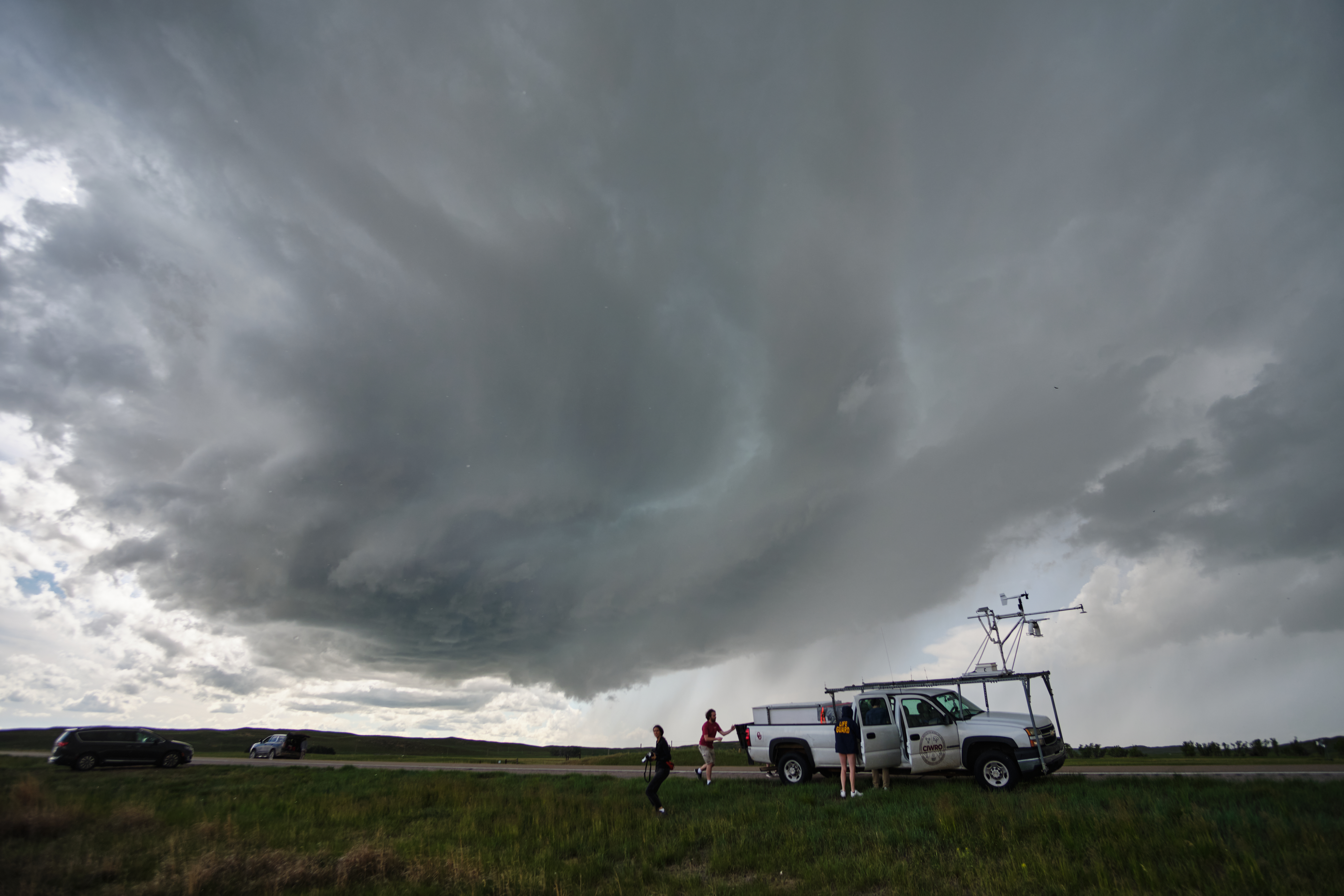
The University of Oklahoma will receive up to $220 million over five years from the U.S. Department of Commerce and the National Oceanic and Atmospheric Administration to continue the life-saving weather research led by the OU-NOAA Cooperative Institute for Severe and High-Impact Weather Research and Operations, extending a nearly 50-year partnership that has helped give Americans earlier, more accurate weather warnings
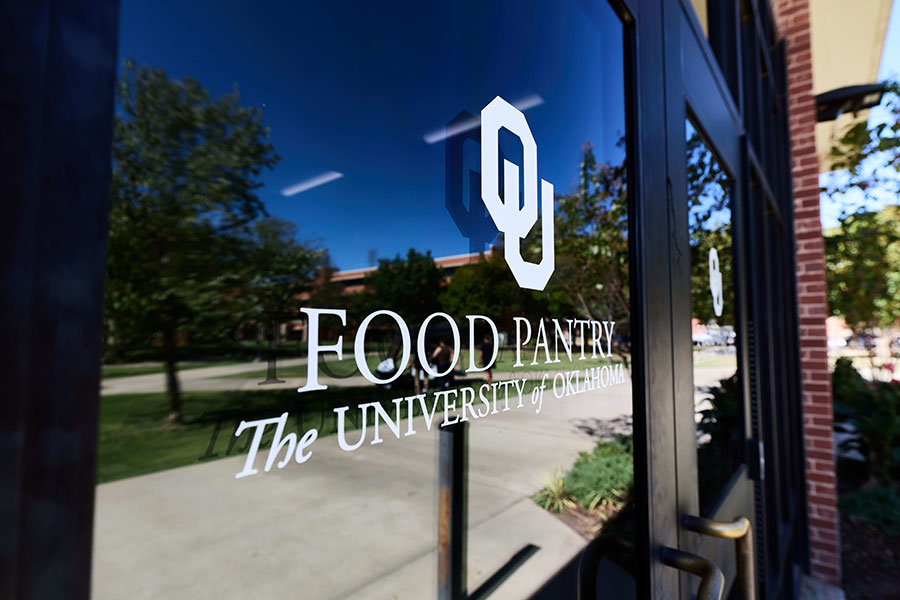
The OU Food Pantry won the annual Red River Food Fight, collecting 31,815.9 pounds of shelf-stable food and drinks to top UT Outpost’s 22,567 pounds. OU has won the competition four years in a row.