NEWS


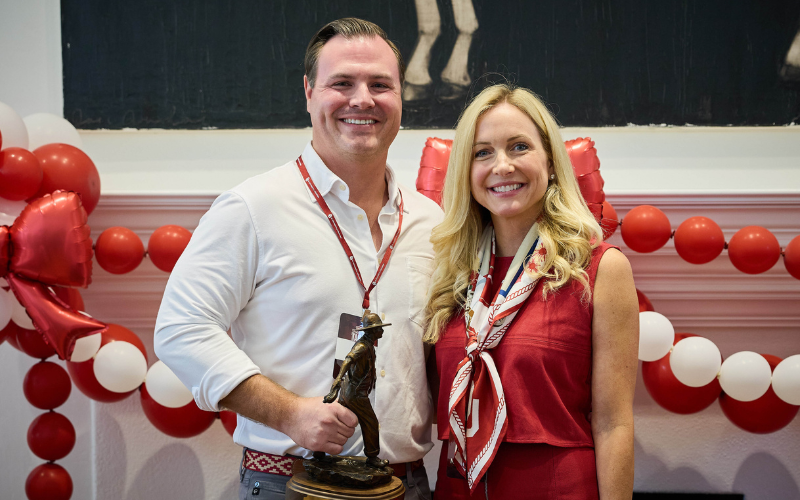
NORMAN, OKLA. – The University of Oklahoma College of Law is proud to announce that Professor Tracy Hresko Pearl, the William J. Alley Professor of Law, has been elected to the American Law Institute (ALI), the nation’s leading independent organization dedicated to clarifying and improving the law.
A nationally recognized expert at the intersection of emerging technology, risk, and criminal law, Professor Pearl’s work explores how legal systems respond to transformative technologies, including autonomous vehicles and artificial intelligence. At OU Law, she teaches Criminal Law, Criminal Procedure: Investigations, Professional Responsibility, and Torts.
“It’s an incredible honor to join the American Law Institute,” Pearl said. “I have long admired the organization’s commitment to modernizing law in the U.S. I’m excited to contribute to this collective effort in the years to come.”
Pearl is a prolific scholar and sought-after voice in national legal conversations. Her recent work has been published in the BYU Law Review, Indiana Law Journal, and George Mason Law Review, and she frequently presents at conferences in both the U.S. and abroad. She is also a frequent op-ed contributor to news outlets throughout the country.
Learn more at law.ou.edu.
About the College of Law
The University of Oklahoma College of Law offers exceptional value and unmatched community. Established in 1909, OU Law provides a cutting-edge legal education while fostering a culture of service and leadership.
About the University of Oklahoma
Founded in 1890, the University of Oklahoma is a public research university located in Norman, Oklahoma. As the state’s flagship university, OU serves the educational, cultural, economic and health care needs of the state, region and nation. For more information about the university, visit www.ou.edu.
The University of Oklahoma has received a transformative gift from Jon and Shannon McCartney, which will name the McCartney Family Tunnel of Champions, the McCartney Family Gate of the Gaylord Family - Oklahoma Memorial Stadium and the McCartney Family Grand Lecture Hall in the Michael F. Price College of Business. The gift will also support the Inspiring Champions and the Athletic Director’s Discretionary Fund, in addition to establishing the McCartney DFW Career Trek program at Price College.
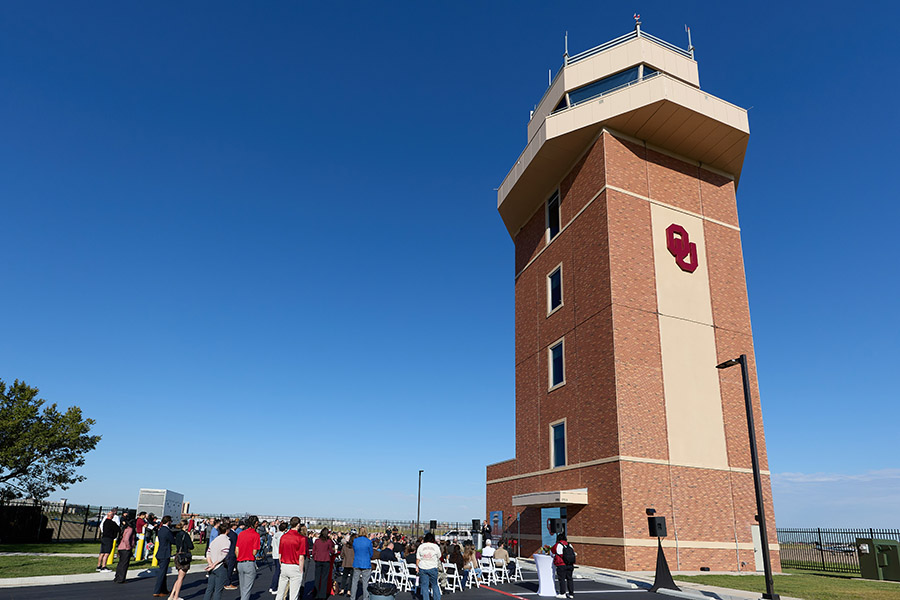
The University of Oklahoma today celebrated the opening of a new air traffic control tower at the OU Max Westheimer Airport. Standing 106 feet tall, more than double the current 52-foot facility, the new tower will modernize air traffic control operations and improve safety for pilots and students operating in the airspace.
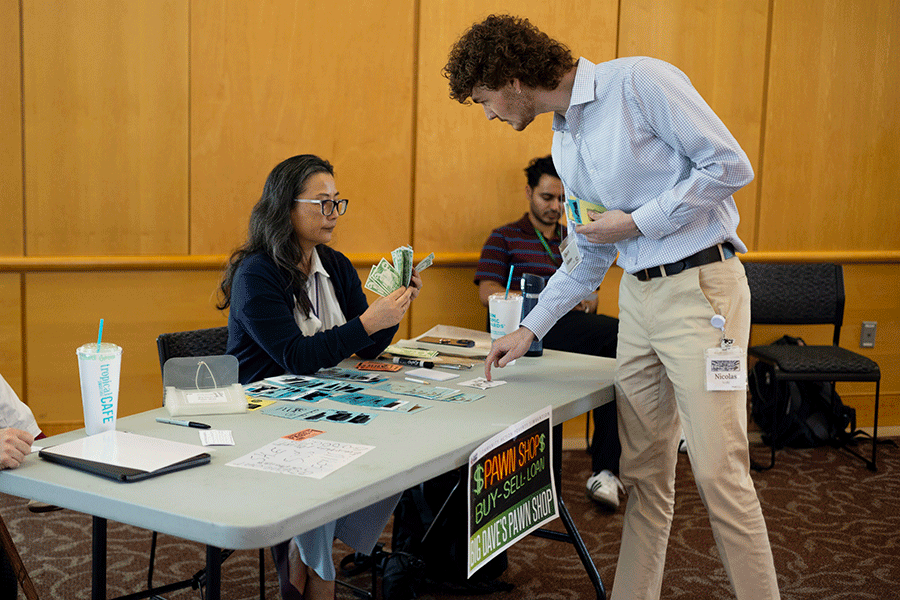
Do I buy groceries or pay the electric bill? Should I pawn some of my belongings to afford my prescription? My child is sick, so I will have to miss work to take care of him. Those are just a few of the difficult choices that OU-Tulsa health professional students confronted during the Community Access to Resources Experience. The role-playing activity challenged students to navigate the financial, family and other pressures that can affect a person’s health and ability to follow medical advice. Held annually during the SCM Institute orientation week, the experience is designed to generate understanding and build empathy.