NEWS


OKLAHOMA CITY, OKLA – The Native Nations Center for Tribal Policy Research, in collaboration with Tana Fitzpatrick, University of Oklahoma associate vice president for tribal relations, and the OU Center for Faculty Excellence, hosted a continuation of its Ethical Tribal Engagement Series on June 17 at the OU Health Sciences campus. The event featured discussions on Indigenous perspectives in health research, governance and traditional healing. The event included nearly 70 in-person attendees and over 120 virtual attendees.
The series is designed to bridge institutional and tribal worldviews, providing a space for dialogue on values, responsibilities and respectful engagement between universities and sovereign tribal nations.
Panelists included: Jeff Fife, chief of staff, Muscogee (Creek) Nation; Chris Tall Bear (Southern Cheyenne), tribal public health adviser and Traditional Healer; Dr. Vanessa Hiratsuka (Diné/Winnemem Wintu), senior researcher and co-director, National Resource Center for Alaska Native Elders, Southcentral Foundation Research Department; and Dr. Mark Doescher, professor and associate director of community outreach and engagement, OU Health Stephenson Cancer Center.

Fitzpatrick moderated the session, encouraging conversational exchanges and complementary insights among the speakers.
“Research involving Tribal Nations must center tribal voices,” Hiratsuka said. “My work is about amplifying what our communities tell us about health and wellness. Being in community means asking for help, offering humility and building reciprocal relationships.”
Tall Bear discussed the distinct role of traditional healing, which emphasizes empowerment and cultural immersion. “Western medicine treats patients as recipients of care. In traditional healing, patients are active participants in their own health, connected through language, ceremony and heritage,” he said.
Fife highlighted the importance of tribal-led health initiatives, including the Muscogee Nation’s acquisition of a former cancer treatment center in Tulsa.
Doescher emphasized that every tribal partner he has worked with shares a common goal: better health outcomes. “Opportunities for groundbreaking research depend entirely on trusted relationships,” he said.
The panel concluded with a challenge to all participants to deepen their commitment to ethical, inclusive and reciprocal partnerships.
“We have tribal citizens enrolled at OU, OSU and other universities,” Fife said. “We want them to return and build our communities. We are long-term partners who can change world views.”
To watch the video for this event and to learn more about the Native Nations Center for Tribal Policy Research at OU, visit ou.edu/nativenationscenter.
About the University of Oklahoma
Founded in 1890, the University of Oklahoma is a public research university located in Norman, Oklahoma. As the state’s flagship university, OU serves the educational, cultural, economic and health care needs of the state, region and nation. For more information about the university, visit www.ou.edu.
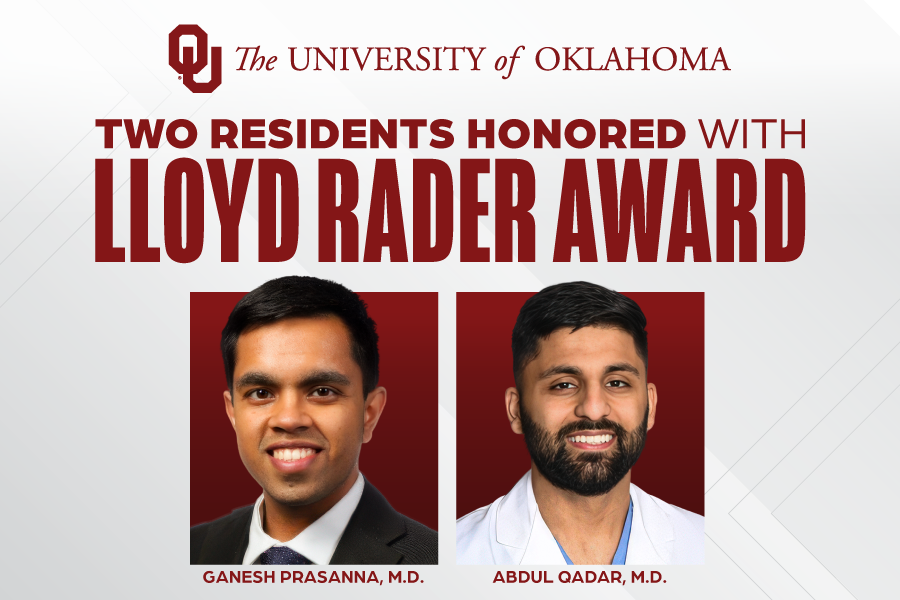
The University of Oklahoma College of Medicine has honored two residents with the Lloyd Rader Award, which recognizes outstanding clinical and research achievements in residency.
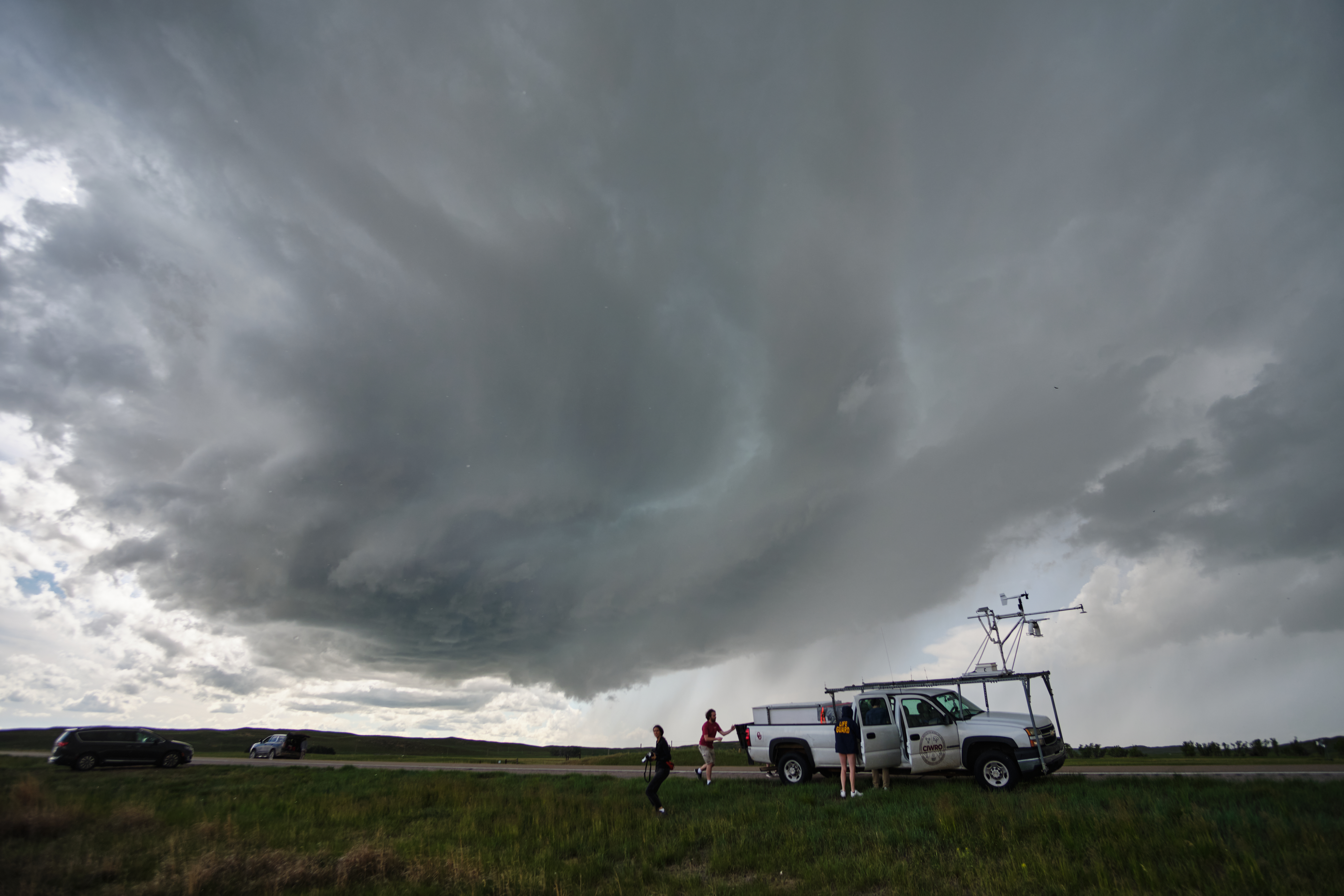
The University of Oklahoma will receive up to $220 million over five years from the U.S. Department of Commerce and the National Oceanic and Atmospheric Administration to continue the life-saving weather research led by the OU-NOAA Cooperative Institute for Severe and High-Impact Weather Research and Operations, extending a nearly 50-year partnership that has helped give Americans earlier, more accurate weather warnings
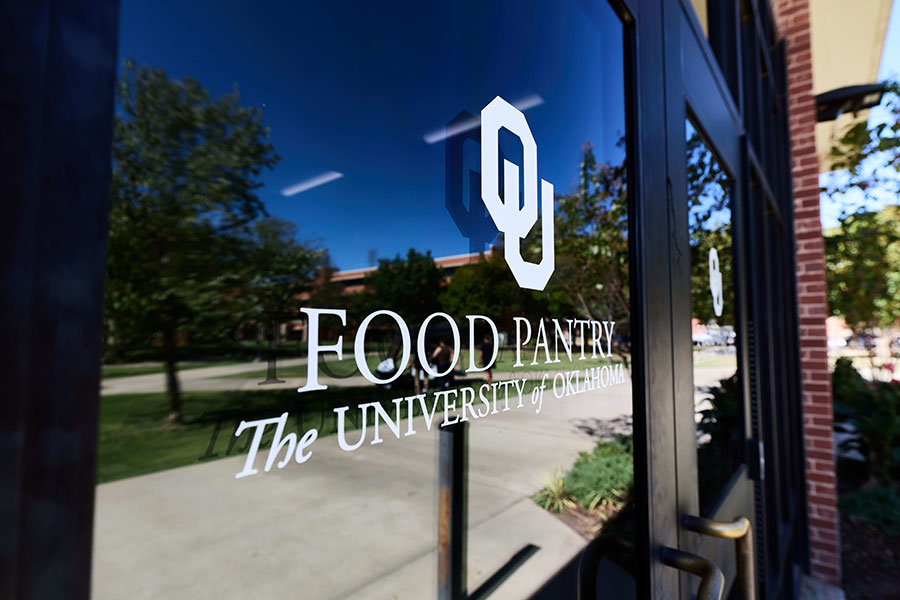
The OU Food Pantry won the annual Red River Food Fight, collecting 31,815.9 pounds of shelf-stable food and drinks to top UT Outpost’s 22,567 pounds. OU has won the competition four years in a row.