NEWS


NORMAN, OKLA. – The Norman Community Needs Network, led by University of Oklahoma faculty, hosted its third annual summit of government agencies, churches, tribal government and non-profit organizations in the Norman area on May 13 to explore the successes and limitations of the community’s response to recent severe weather and preparedness for future storms.
Representatives from 12 organizations joined in a tabletop exercise, aiming to bolster interagency connections and cooperation to improve response to future severe weather.
“The disaster preparedness workshop is one-of-a-kind as it is based on social network and knowledge exchange research on the region, and incorporates a wide range of sectors,” said Xiaochen Angela Zhang, Ph.D., leader of the project. “Most disaster preparedness workshops only involve one or two sectors.”
The workshop was part of a National Science Foundation-funded research project led by Zhang to examine how to leverage social networks and communal capacity to strengthen regional, city, county, nonprofit and business sectors via mutual collaboration.
“We’re getting to know each other before a disaster event happens,” said Steve Wood, who serves as a local emergency response coordinator for the Cleveland County Health Department. “You don’t know what you don’t know about other people’s capabilities, so it helps to come together to talk about it.”
Jon Dunton from Wildwood Community Church also participated in this year’s workshop. “It’s really good to see how churches can partner with pre-established organizations. We have volunteers who can help in a disaster, and we need help coordinating how to respond,” Dunton said.
Due to its existing partnerships with the Community Needs Network, an initiative of the United Way of Norman and the Center for Faculty Excellence at the University of Oklahoma, the city of Norman is a model for this kind of project.
“The opportunity to get so many community leaders and first responders together to discuss situational response efforts is critical to a successful response.” Said Daren Wilson, the president and CEO of United Way of Norman.
About the University of Oklahoma
Founded in 1890, the University of Oklahoma is a public research university located in Norman, Oklahoma. As the state’s flagship university, OU serves the educational, cultural, economic and health care needs of the state, region and nation. For more information about the university, visit www.ou.edu.
About the Community Needs Network
The Community Needs Network was established in 2019 by United Way of Norman in partnership with the Center for Faculty Excellence at the University of Oklahoma and more than 30 partner agencies in Norman as a community-engaged mechanism to improve collaboration, capacity-building and accessibility within the greater Norman and Cleveland County community. This collaboration of city, county, nonprofit and business sectors and systems are essential in community development and planning efforts in Norman and Cleveland County.
The University of Oklahoma College of Medicine has honored two residents with the Lloyd Rader Award, which recognizes outstanding clinical and research achievements in residency.
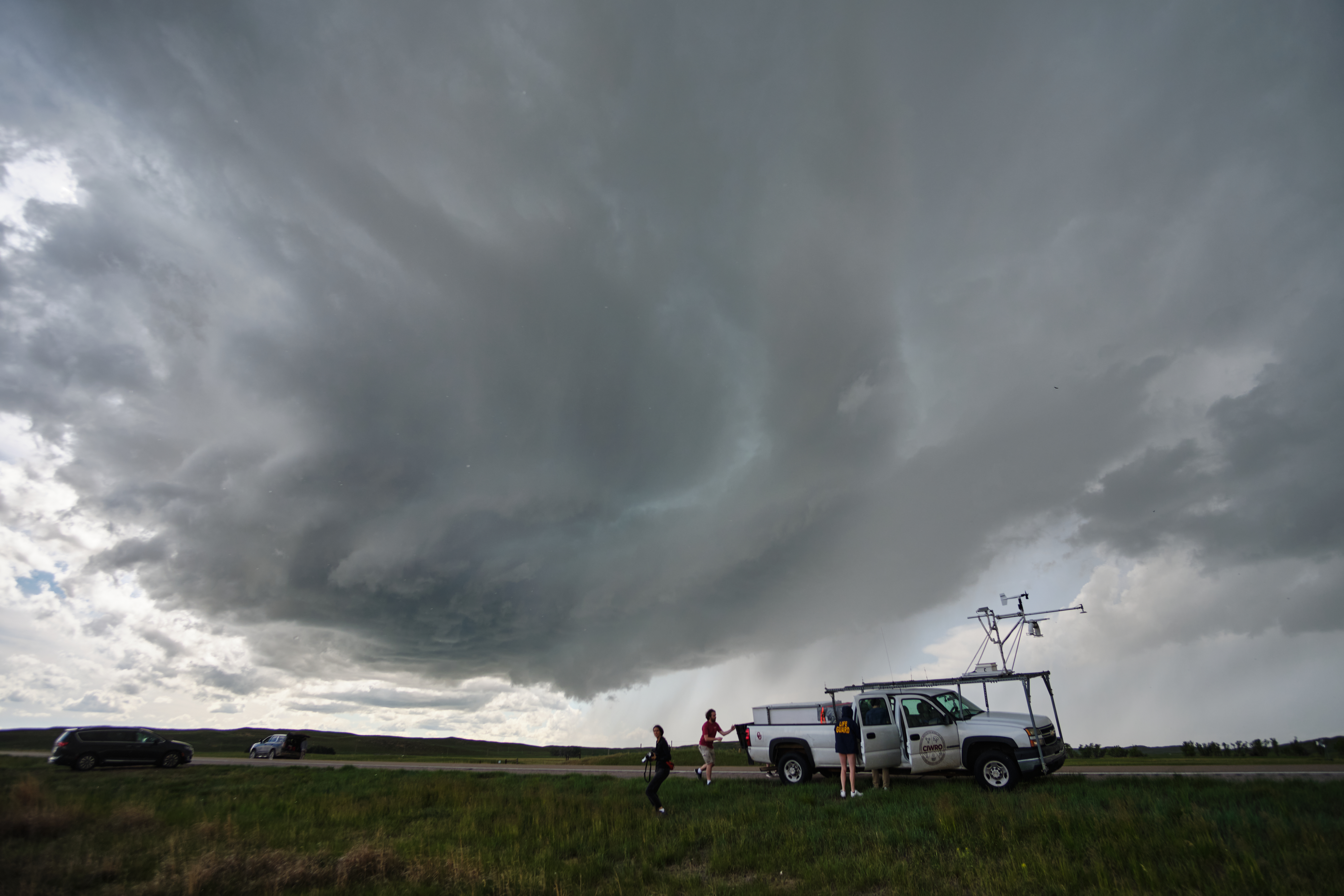
The University of Oklahoma will receive up to $220 million over five years from the U.S. Department of Commerce and the National Oceanic and Atmospheric Administration to continue the life-saving weather research led by the OU-NOAA Cooperative Institute for Severe and High-Impact Weather Research and Operations, extending a nearly 50-year partnership that has helped give Americans earlier, more accurate weather warnings
The OU Food Pantry won the annual Red River Food Fight, collecting 31,815.9 pounds of shelf-stable food and drinks to top UT Outpost’s 22,567 pounds. OU has won the competition four years in a row.