NEWS


NORMAN, Okla. – The University of Oklahoma hosted “The Nexus of Enhanced Oil Recovery and Carbon Management” on Wednesday, Sept. 24, as part of the OU Energy Speakers Series. The comprehensive symposium featured prominent industry executives and leading researchers who explored the latest developments in carbon capture, utilization and storage technologies.
“At OU, we realize the energy industry is complex; it presents challenges that require expertise from multiple disciplines,” said John Antonio, dean of the Mewbourne College of Earth and Energy. “The topics covered at this event epitomize that complexity, which at its core asks the following question: Can we improve – and increase – oil and gas production and simultaneously redouble our efforts in carbon management?”
Hosted by the Mewbourne College of Earth and Energy, Gallogly College of Engineering, Price College of Business and College of Law, the event began with a networking hour, followed by lunch and the fireside chat with Vicki Hollub, President and CEO of Occidental. Hollub discussed her path to becoming CEO; the company’s successes, expansion and innovation under her leadership; and the future of the oil and gas industry.
Three focused sessions followed, each addressing carbon management challenges. Experts from Baker Hughes, CapturePoint Solutions, Occidental and several universities spoke alongside OU faculty on carbon management technologies, CO2 enhanced oil recovery and sequestration opportunities and challenges, and carbon storage resources and regulations.
The event drew more than 200 attendees representing 30 different companies, seven universities, more than six tribal nations and several government laboratories. Participants came from multiple states including Oklahoma, Alabama, Alaska, California, Pennsylvania, Texas, Utah, Washington, Wyoming and Washington D.C.
The symposium represented a collaborative effort between academic institutions and industry leaders to advance carbon management technologies crucial for supporting energy security, underscoring the University of Oklahoma's commitment to energy research and its role in developing sustainable solutions to address the evolving challenges of the energy sector.
About the University of Oklahoma
Founded in 1890, the University of Oklahoma is a public research university located in Norman, Oklahoma. As the state’s flagship university, OU serves the educational, cultural, economic and health care needs of the state, region and nation. For more information about the university, visit www.ou.edu.
One in eight Oklahomans has type 2 diabetes, and an estimated one-third of the state’s adult population has undiagnosed prediabetes. University of Oklahoma researchers are developing a digital outreach program to help people understand their risk and connect with resources to help prevent the disease.
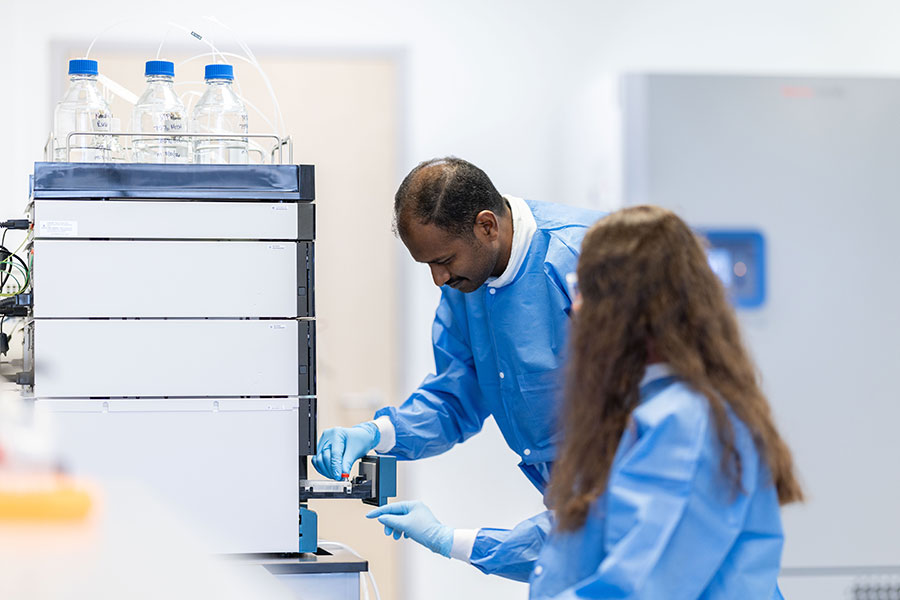
The Presbyterian Health Foundation has provided a grant for the University of Oklahoma College of Pharmacy to obtain its first liquid chromatography mass spectrometry equipment system. This acquisition expands the health campus’s ability to turn research into real-world impact.
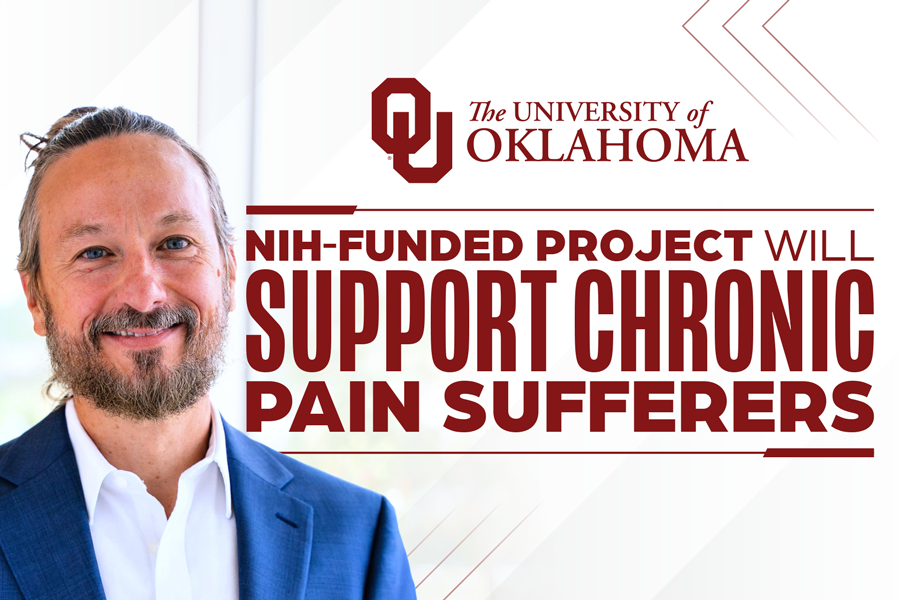
Armed with a new five-year, $3.4 million grant from the National Institutes of Health, OU healthcare leaders are building the first chronic pain mHealth intervention app made with and for Native Americans.