NEWS


NORMAN, Okla. – Graduates from the University of Oklahoma College of Law tied a school record this year for success on the state’s bar exam. First-time examinees had a 94 percent pass rate on the Oklahoma Bar Exam this July, matching last year’s record-breaking rate.
Both years resulted in the university’s highest July first-time pass rates since Oklahoma’s adoption of the Uniform Bar Exam in July 2021.
“We are proud of our graduates for their hard work and preparation, and congratulate them for their achievements,” said Anna Carpenter, dean of the OU College of Law. “These accomplishments over consecutive years are a testament to our commitment to fostering the next generation of legal professionals as Oklahoma’s only public law school.”
A total of 106 first-time and repeat examinees from the OU College of Law took the Oklahoma Bar Exam offered in July. They also had the highest pass rate of graduates among all in-state institutions.
“Preparing graduates for the bar exam is a school-wide effort at OU Law involving the teaching and support of dedicated faculty, staff and administrators,” said Sunny Rowland, assistant professor and director of academic and bar support at OU Law. “Our graduates successfully pass the bar exam from year to year because they are prepared and take advantage of many resources offered at OU Law.”
Learn more about the OU College of Law and find free resources from the Law Library.
About the University of Oklahoma
Founded in 1890, the University of Oklahoma is a public research university located in Norman, Oklahoma. As the state’s flagship university, OU serves the educational, cultural, economic and health care needs of the state, region and nation. For more information about the university, visit www.ou.edu.
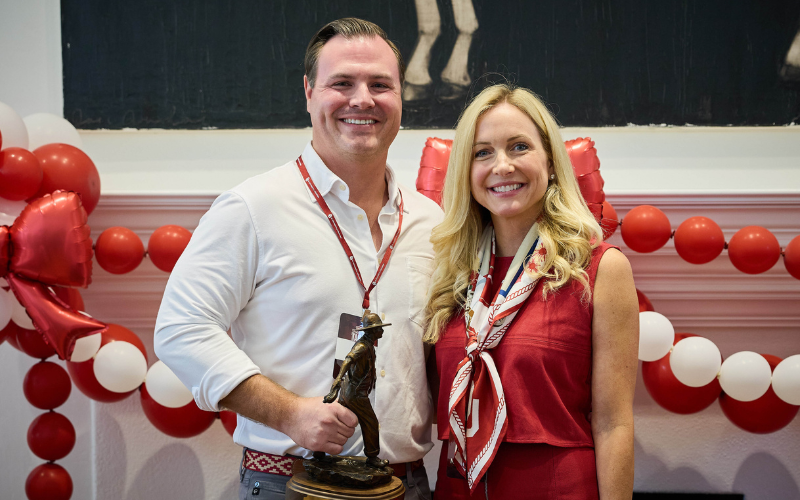
The University of Oklahoma has received a transformative gift from Jon and Shannon McCartney, which will name the McCartney Family Tunnel of Champions, the McCartney Family Gate of the Gaylord Family - Oklahoma Memorial Stadium and the McCartney Family Grand Lecture Hall in the Michael F. Price College of Business. The gift will also support the Inspiring Champions and the Athletic Director’s Discretionary Fund, in addition to establishing the McCartney DFW Career Trek program at Price College.
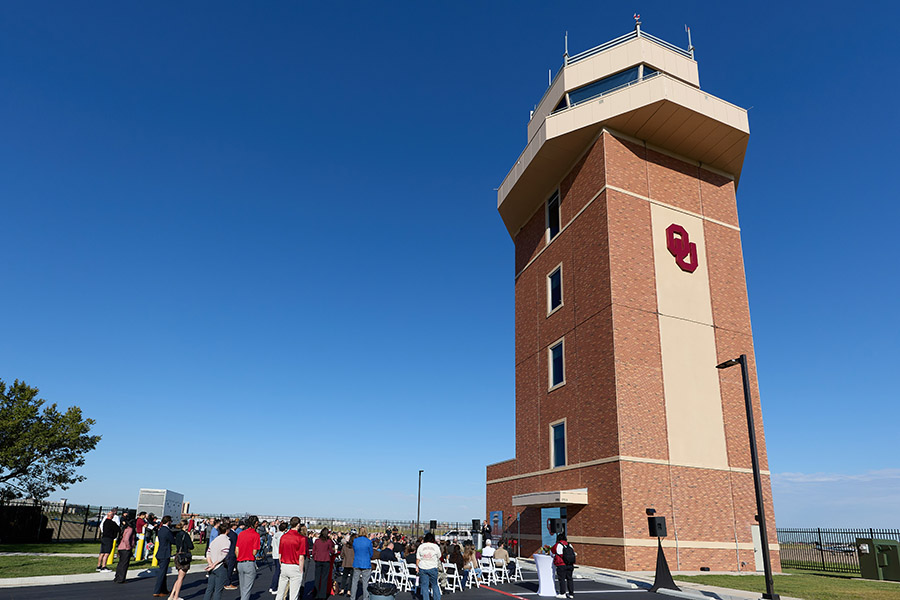
The University of Oklahoma today celebrated the opening of a new air traffic control tower at the OU Max Westheimer Airport. Standing 106 feet tall, more than double the current 52-foot facility, the new tower will modernize air traffic control operations and improve safety for pilots and students operating in the airspace.
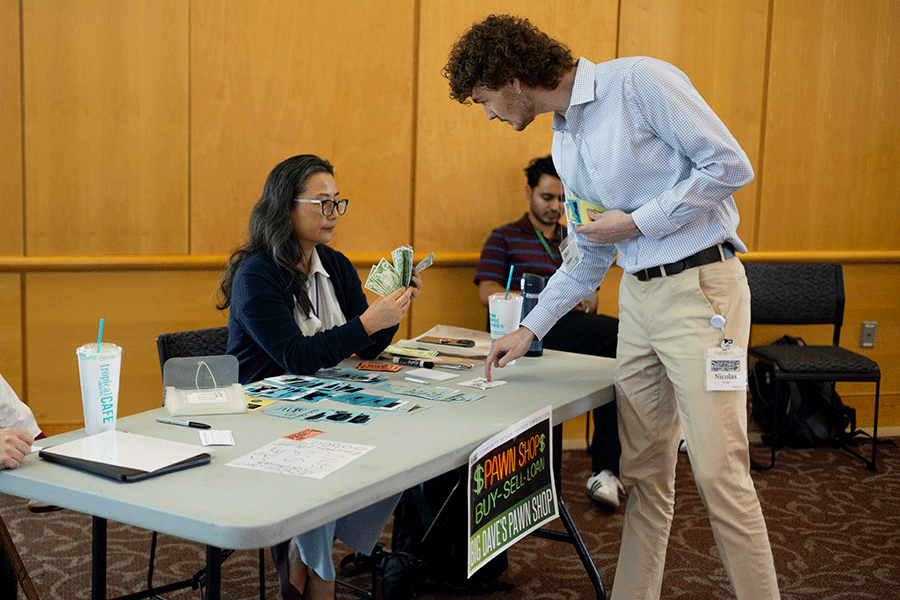
Do I buy groceries or pay the electric bill? Should I pawn some of my belongings to afford my prescription? My child is sick, so I will have to miss work to take care of him. Those are just a few of the difficult choices that OU-Tulsa health professional students confronted during the Community Access to Resources Experience. The role-playing activity challenged students to navigate the financial, family and other pressures that can affect a person’s health and ability to follow medical advice. Held annually during the SCM Institute orientation week, the experience is designed to generate understanding and build empathy.