NEWS


The Jeannine Rainbolt College of Education welcomed award-winning author Carole Lindstrom to the University of Oklahoma for the latest installment of the Cathey Simmons Humphreys Distinguished Lecture Series, drawing an enthusiastic audience of students, faculty, educators, and community members. Lindstrom’s talk, Native Representation in Children’s Books, offered an inspiring and deeply personal exploration of her journey into children’s literature and the evolving landscape of Indigenous representation in publishing.
Lindstrom, a New York Times bestselling author and proud Anishinaabe/Métis member of the Turtle Mountain Band of Ojibwe Indians, has become one of the most influential voices in contemporary children’s literature. Her acclaimed works—including We Are Water Protectors; Girls Dance, Boys Fiddle; My Powerful Hair; and Autumn Peltier, Water Warrior—have been recognized for their powerful storytelling and their celebration of Indigenous cultures, identities, and activism.
Her book We Are Water Protectors, inspired by the Standing Rock movement and Indigenous peoples’ fight for clean water, received the 2021 Caldecott Medal, making it the first book written and illustrated by Native creators to earn the prestigious honor. Throughout her talk, Lindstrom reflected on how transformative such recognition has been—not only for her personally, but for the visibility of Indigenous-authored stories in classrooms and libraries across the nation.
Lindstrom spoke candidly about her childhood in Nebraska and the absence of authentic Native representation in the books available to her as a young reader. She described growing up rarely encountering stories that reflected her own culture, community, or lived experience. This omission shaped her understanding of whose stories were considered worthy of being told. This lack of representation, she explained, later became a driving force in her commitment to create children’s literature that centers Indigenous voices, celebrates identity, and challenges longstanding stereotypes.
The lecture was followed by a Q&A session filled with thoughtful conversations about identity, environmental stewardship, and the responsibilities of writers and educators to promote equity and truth. Attendees also had the opportunity to meet Lindstrom, continue the dialogue, and explore her books.
This impactful event was made possible through the Cathey Simmons Humphreys Distinguished Lecture Series, established through the generous philanthropy of Cathey A. Simmons Humphreys (B.S. Ed. 1970) and her husband, Donald Humphreys. Their enduring commitment to educational excellence has allowed the Jeannine Rainbolt College of Education to bring nationally recognized experts to campus, enriching scholarly dialogue and supporting professional growth among students, faculty, and the broader community.
Cathey Simmons Humphreys, a proud OU alumna and longtime advocate for education, endowed the series to spark meaningful conversations around contemporary issues in teaching, learning, leadership, and research. In addition to the lecture series, the Humphreys’ philanthropic legacy includes endowed study abroad scholarships for education students, reinforcing their dedication to broadening global perspectives and preparing future educators to lead with insight and compassion.
Through the Humphreys’ vision and generosity, events like Carole Lindstrom’s lecture continue to cultivate new ideas, deepen understanding, and inspire the next generation of educators and scholars. Lindstrom’s visit not only celebrated the power of storytelling but also underscored the vital role educators play in ensuring that all children see themselves—authentically and proudly—reflected in the books they read.
About the University of Oklahoma
Founded in 1890, the University of Oklahoma is a public research university located in Norman, Oklahoma. As the state’s flagship university, OU serves the educational, cultural, economic and health care needs of the state, region and nation. For more information about the university, visit www.ou.edu.
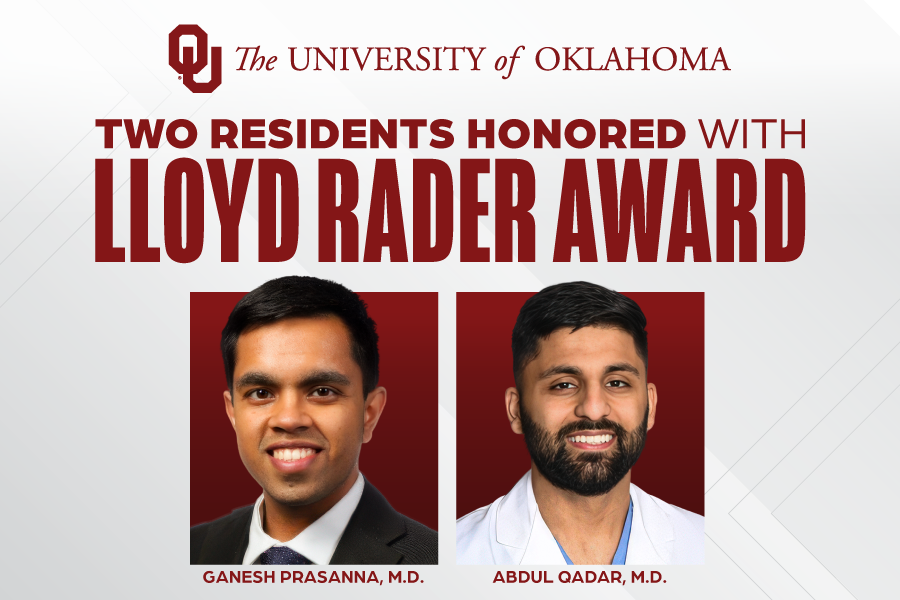
The University of Oklahoma College of Medicine has honored two residents with the Lloyd Rader Award, which recognizes outstanding clinical and research achievements in residency.
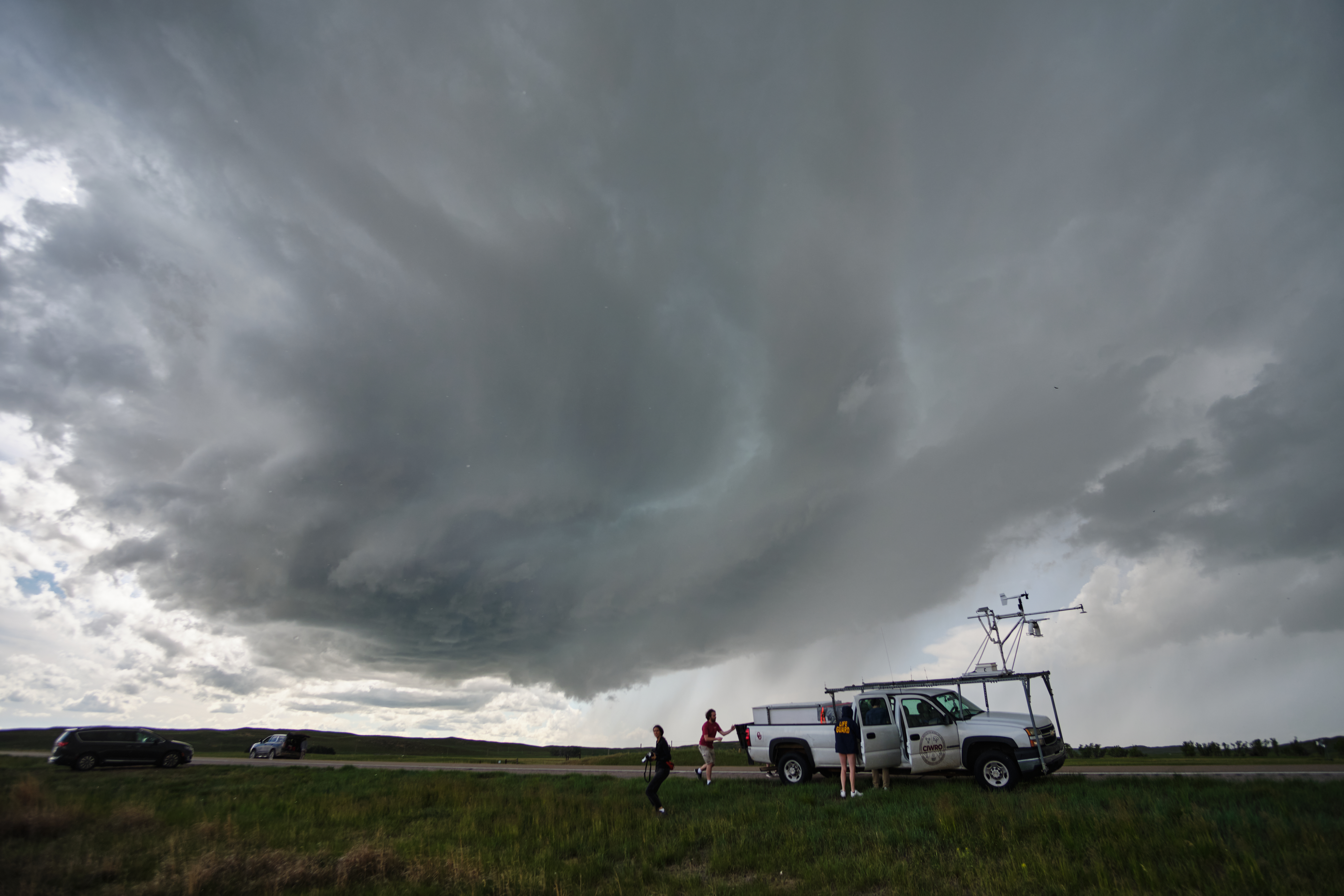
The University of Oklahoma will receive up to $220 million over five years from the U.S. Department of Commerce and the National Oceanic and Atmospheric Administration to continue the life-saving weather research led by the OU-NOAA Cooperative Institute for Severe and High-Impact Weather Research and Operations, extending a nearly 50-year partnership that has helped give Americans earlier, more accurate weather warnings
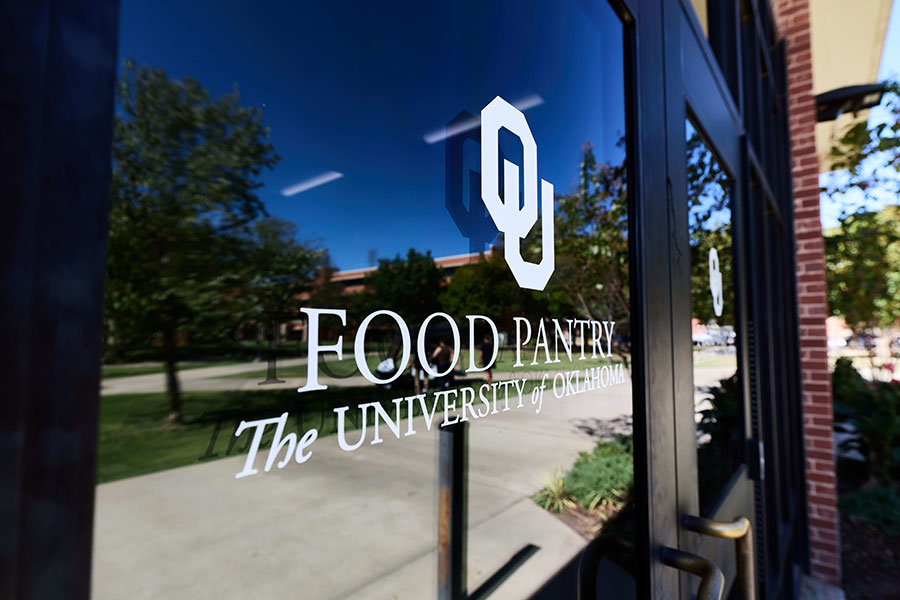
The OU Food Pantry won the annual Red River Food Fight, collecting 31,815.9 pounds of shelf-stable food and drinks to top UT Outpost’s 22,567 pounds. OU has won the competition four years in a row.