NEWS


OKLAHOMA CITY – University of Oklahoma College of Medicine researcher Jody Summers, Ph.D., has long hypothesized that inflammation plays a role in the development of myopia, or nearsightedness, in which close-up vision is clear but distance vision is blurry. Her laboratory experiments have been convincing, and now she has preliminary human data to support the theory.
Summers, a professor of cell biology, and R. Michael Siatkowski, M.D., MBA, professor and chair of the Dean McGee Department of Ophthalmology at the OU College of Medicine, reviewed the medical records of nearly 200 patients aged 22 and younger who received eye exams at OU Health Dean McGee Eye Institute. About half were healthy, while the rest had juvenile idiopathic arthritis (JIA) and were being treated with anti-inflammatory drugs. They were having exams because JIA, an autoimmune disease that causes chronic inflammation, can affect the eyes.
Because anti-inflammatory medications reduce inflammation throughout the body, the researchers wanted to know whether they might also reduce inflammation in the eye and delay the onset of myopia. Their analysis suggested they do.
“We discovered that children without underlying illnesses became myopic at about 10 years old, while those with JIA who were taking anti-inflammatory drugs didn’t become myopic until about 17 years old,” Summers said. “I was surprised at the magnitude of difference between the groups.”
Myopia is now considered a worldwide epidemic. Its prevalence is nearing 50% of the population in America and nearly 100% in some Asian countries. Although glasses and contact lenses correct blurry distance vision, they do not slow the progression of myopia or prevent its long-term complications. Existing treatments to slow myopia have limited effectiveness, highlighting the need for better options.
“The more severe a person’s myopia becomes, the greater the risk of retinal detachment, glaucoma, cataracts or an early-onset type of macular degeneration,” Siatkowski said. “Our findings were encouraging because, if we can delay the onset of myopia and decrease the overall amount of myopia, we may be able to prevent its most serious complications.”
The researchers next plan to analyze data from a larger group of pediatric patients. If those results confirm the initial findings, Summers will begin testing different compounds in the laboratory to identify those that most effectively slow the development of myopia.
Ultimately, the researchers hope to develop an easy-to-use treatment that reduces inflammation in the eye and slows the development of myopia.
“That would be a real game-changer,” Summers said. “If we could identify children who are at risk of becoming myopic or are just starting to become myopic, then we could start treatment early and potentially slow its progression. We’re excited to see what the next data set shows.”
About the University of Oklahoma
Founded in 1890, the University of Oklahoma is a public research university with campuses in Norman, Oklahoma City and Tulsa. As the state’s flagship university, OU serves the educational, cultural, economic and health care needs of the state, region and nation. In Oklahoma City, the OU Health Campus is one of the nation’s few academic health centers with seven health profession colleges located on the same campus. The OU Health Campus serves approximately 4,000 students in more than 70 undergraduate and graduate degree programs spanning Oklahoma City and Tulsa and is the leading research institution in Oklahoma. For more information about the OU Health Campus, visit www.ouhsc.edu.
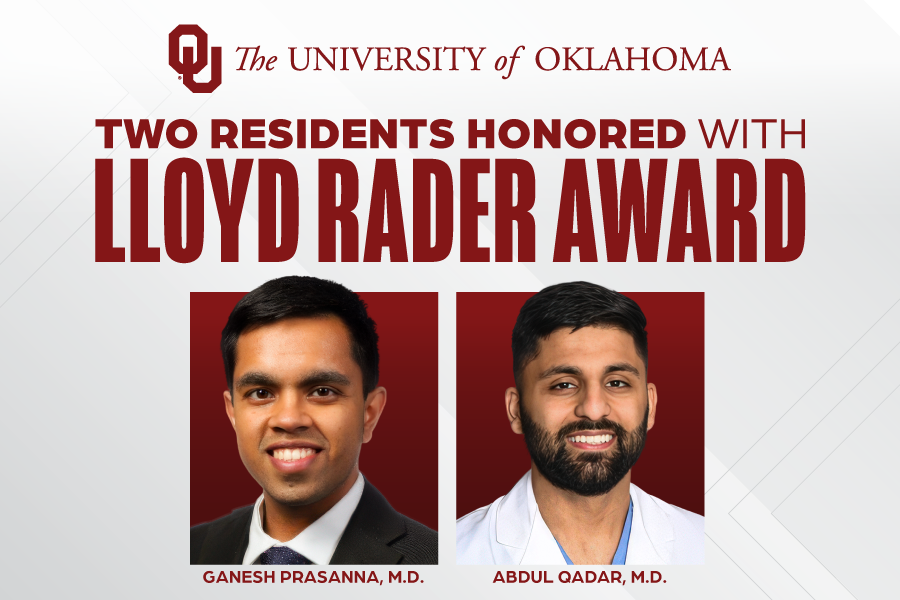
The University of Oklahoma College of Medicine has honored two residents with the Lloyd Rader Award, which recognizes outstanding clinical and research achievements in residency.
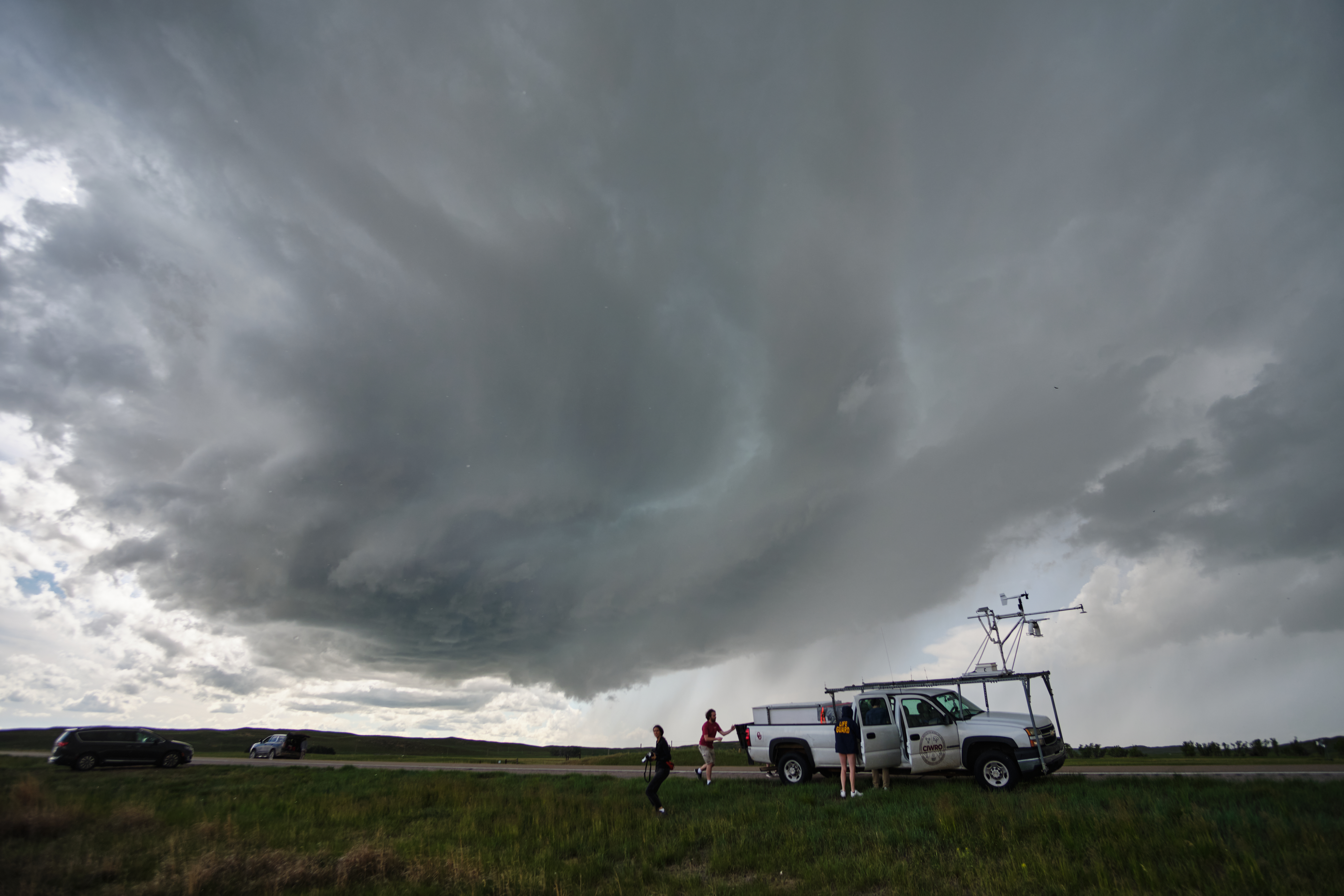
The University of Oklahoma will receive up to $220 million over five years from the U.S. Department of Commerce and the National Oceanic and Atmospheric Administration to continue the life-saving weather research led by the OU-NOAA Cooperative Institute for Severe and High-Impact Weather Research and Operations, extending a nearly 50-year partnership that has helped give Americans earlier, more accurate weather warnings
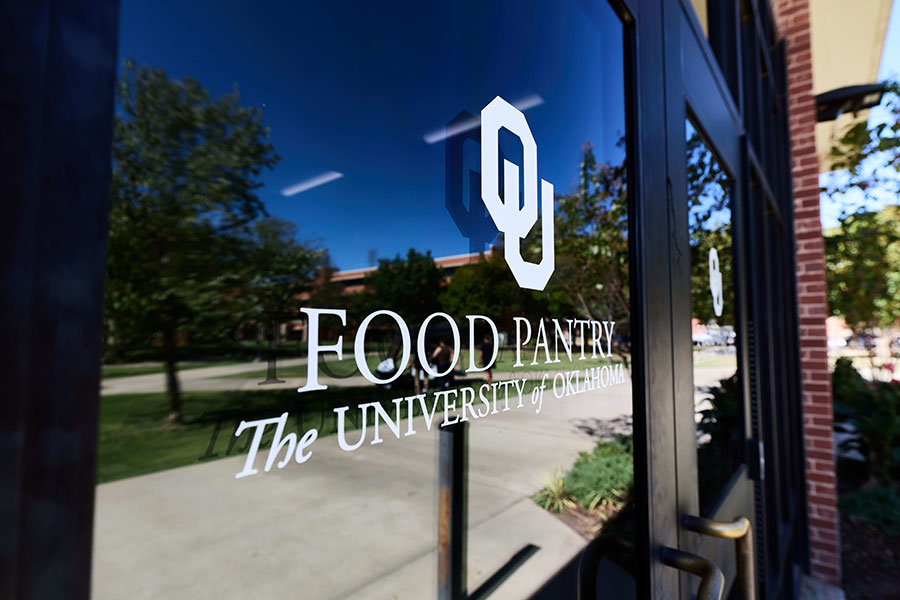
The OU Food Pantry won the annual Red River Food Fight, collecting 31,815.9 pounds of shelf-stable food and drinks to top UT Outpost’s 22,567 pounds. OU has won the competition four years in a row.