
The Center for Adoption and Family Well-Being Research Fellowship Program is a collaborative network of scholars, practitioners, researchers, community leaders, and lived experience experts committed to advancing adoption research, scholarship, training, systems collaboration, and family well-being.
The fellowship program creates opportunities for connection, mentorship, interdisciplinary collaboration, research development, and dissemination, while supporting the Center's mission to strengthen families, elevate lived-experience expertise, and improve systems of care.
The Center recognizes multiple fellowship designations, including Research Fellows, Senior Research Fellows, and Lived Experience Research Fellows. Fellows contribute in a variety of ways based on their expertise, interests, and availability, including research collaboration, consultation, training, manuscript development, evaluation, grant activity, mentorship, and community-engaged scholarship.
The Lived Experience Research Fellowship serves as a scholarly network and community of practice that connects individuals with lived experience engaged in research, scholarship, education, writing, advocacy, and knowledge development.
The Fellowship functions as both a think tank and a professional development network that fosters connection, mentorship, collaboration, leadership development, and dissemination. It is intentionally designed to elevate lived experience expertise within academic, research, policy, and practice settings while creating opportunities for mutual support and scholarly growth.
Potential fellows may include doctoral students, faculty members, researchers, authors, community scholars, practitioners engaged in research, and national lived experience leaders.
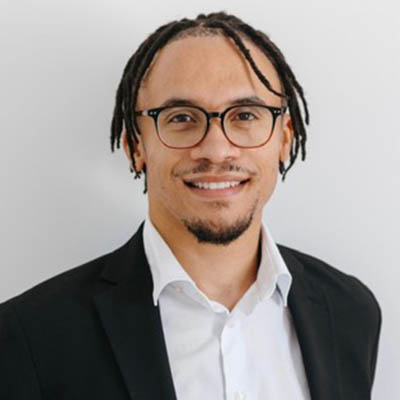
Dr. Adam Anthony, Ed.D., is a practitioner-scholar and leadership development strategist whose work sits at the intersection of identity, belonging, and systems change. A same-race Black adoptee and former foster care youth, Dr. Anthony brings lived experience as both a lens and leadership strategy — shaping scholarship and practice that center those most often overlooked.
He is the creator of They Are Not Invisible™, a practitioner framework and training experience designed to illuminate the inner world of male adoptees, exploring identity formation, belonging, silence, and the unseen emotional labor that often goes unnamed. The training has been delivered to adoption professionals, educators, and families through organizations including Families Rising, Adoption Knowledge Affiliates, and the Birthparent Support Alliance, and serves as the foundation of his growing body of adoption-focused scholarship and curriculum.
Dr. Anthony holds a Doctor of Education in Leadership from Trevecca Nazarene University, where his dissertation examined African American male students' perceptions of mentoring efficacy at HBCUs and PWIs. This research continues to inform his thinking on belonging, institutional accountability, and what it means to be seen within systems not designed with you in mind. He has served as a guest lecturer at Trevecca Nazarene University, introducing graduate social work students to adoption-informed and foster care-aware frameworks for practice.
His writing and research explore male adoptee identity across the lifespan, family narratives and intergenerational silence, birth parent invisibility, and the long-term outcomes for individuals navigating placement, permanency, and belonging. He is also the founder of EmpowerMENt™, a platform dedicated to equipping young Black men with tools for emotional wellness, identity development, and community leadership.
Dr. Anthony is currently joining the University of Oklahoma's Center for Adoption and Family Well-Being as a Lived Experience Senior Research Fellow, where he will contribute to the Center's dual research agenda — examining both the lived impact of adoption on individuals and families, and the systemic policy and practice conditions that shape adoption outcomes.
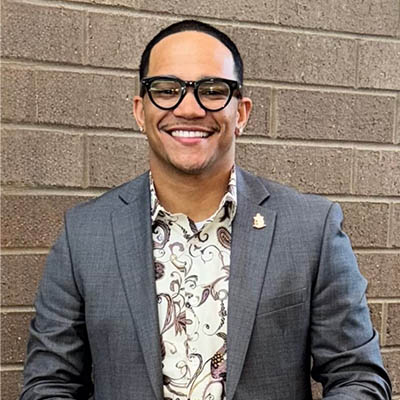
Cameron Galloway, Lived Experience Senior Research Fellow, is a former foster youth from Paducah, Kentucky, who aged out of care at 18 and turned lived experience into a purpose-driven impact. Guided by the belief, “God gives you knowledge and wisdom not for your own understanding but for the betterment of others,” Cameron has dedicated his life and career to uplifting youth and transforming systems.
Cameron is currently pursuing a PhD in Social Work, building on a Bachelor’s and Master’s in the field, and brings over 10 years of experience in youth development, advocacy, and community engagement. Cameron’s work spans policy advocacy—including efforts around HB 158 and the Foster Youth Bill of Rights—as well as building youth advisory boards and collaborating with more than 250 youth-serving organizations to create meaningful change.
With additional experience in clinical practice, school social work, and over 8 years of military service, including being a commissioned officer. Cameron brings a transformative lens grounded in leadership, discipline, lived expertise, and professional experience, leveraging each to influence policy and create lasting systemic change.
At the core of Cameron’s work is a powerful message: empowering youth and young adults to believe in themselves, take ownership of their life outcomes, and recognize that, while life presents challenges, resilience, dedication, ambition, and faith make achievement possible. Believe in yourself regardless of who hasn’t! Because you are the one living the life and you don’t deserve to struggle because of others' mishaps, you deserve a prosperous life regardless of what statistics say!
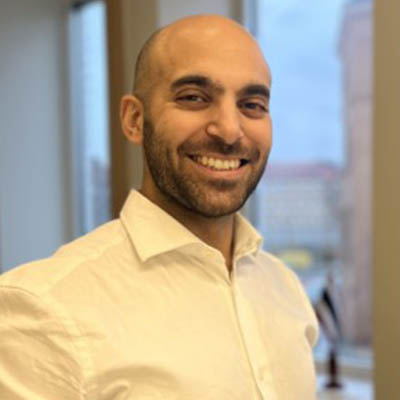
Mr. David S.P. Hillstedt-Asplund, Lived Experience Senior Research Fellow, is a social anthropologist whose work focuses on intercountry adoption, qualitative research, cross-cultural competence, and the well-being of children, youth, and families. He has served as a Case Officer in the Department of Post-Adoption Services at Adoptionscentrum in Stockholm, Sweden, where he supported adoptees and families in interpreting adoption documentation.
David has held several anthropology research assistant roles at the University of California, Riverside, and at Stockholm University, where he supported faculty-led research and contributed to translating anthropological research into policy-relevant and practitioner-oriented contexts.
David is currently working as a local researcher in Sweden through a collaborative research project with the Center for Adoption and Family Well-Being, where he conducts interviews with various municipalities and organizations to map out the current landscape of adoptee competency. This falls within the current climate of support for intercountry adoptees, as Sweden is establishing a national resource center.
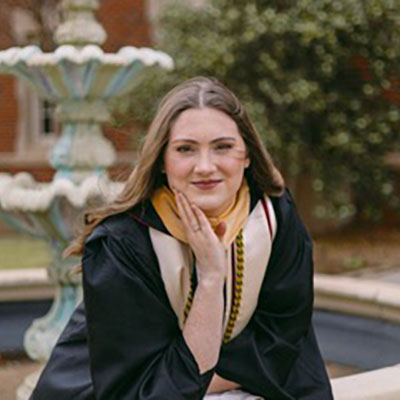
Aubry Quick is employed by the state of Oklahoma in child welfare. After earning a bachelor's degree in psychology from Southern Nazarene University, she completed a Master of Social Work at the University of Oklahoma. She has acquired experience in both nonprofit and medical social work sectors. In addition, she served as a research assistant for three years, during which time she contributed to projects focusing on adult adoptee experiences. Aubry is a Rudd Adoption Research Scholar and attended the Rudd Summer Adoption Research Institute in 2025. As a stepparent adoptee, she is committed to work that centers the adoptee experience and advocates for the inclusion of all adoptee voices. She maintains that societal understanding of adoption and adoptee experiences significantly shapes broader cultural conceptions of family and well-being. Through rigorous research and dedicated scholarship, she aims to advance an understanding of adoption that accommodates nuance, individuality, empathy, and the diverse backgrounds of all adoptees.
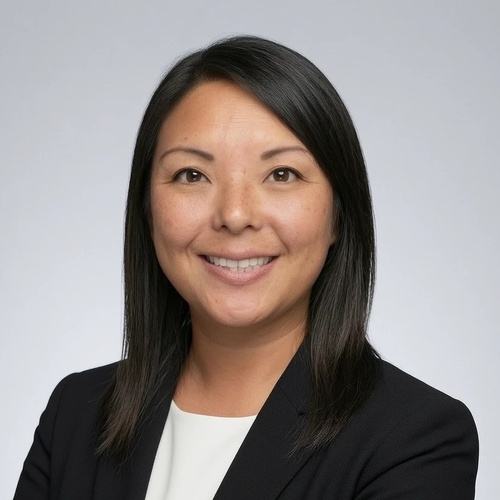
Jacqueline Long, LCSW, RPT™, IMH-E®, ERS® is joining the University of Oklahoma’s Center for Adoption and Family Well-Being as a Lived Experience Senior Research Fellow. As a transracial, transnational adoptee from South Korea, Jacqueline brings both lived experience and over a decade of clinical practice to her scholarship, grounding her research in the realities of adoptees, birth parents, and adoptive families and in a deep commitment to practice-relevant, community-informed work.
Jacqueline's adoption scholarship centers around adoptee identity formation and the ways adoptees make meaning of their experiences across the lifespan, including how institutional change shapes adoptee consciousness and how systems designed to support adoption can better honor the voices and long-term wellbeing of adoptees. Jacqueline recently presented this research at the International Conference on Adoption Research (ICAR) in Porto, Portugal, as part of a symposium on adoptee consciousness, lived experience, and systemic change. Her work also examines grief and loss among birth parents following placement, and adoptive parents' experiences and perceptions of attachment in the early years of a child's life.
Alongside her adoption research, Jacqueline is a recognized clinical leader in Infant and Early Childhood Mental Health (IECMH) and Maternal Mental Health. She currently serves as Director of Infant and Early Childhood Services for a large community mental health agency in Oklahoma, where she builds workforce capacity in IECMH, provides Reflective Supervision/Consultation to clinicians, and leads the implementation of evidence-based, relationship-based treatment models for young children and their families. She developed and launched a maternal mental health program to expand access to specialized perinatal care for underserved families, and she cultivates cross-sector partnerships that strengthen continuity of care for vulnerable children and caregivers across her region. Her broader research and practice interests include early relational health, reflective supervision and consultation in clinical practice, and the impact of trauma in early childhood, all of which inform her belief that healing happens through safe, attuned relationships.
Jacqueline holds a Master of Social Work from the University of Oklahoma and is currently pursuing her PhD at the University of Oklahoma’s Anne and Henry Zarrow School of Social Work, where she continues to integrate her lived experience as an adoptee with her clinical training to advance scholarship that is both rigorous and rooted in lived reality.
The Center also recognizes the importance of interdisciplinary collaboration, mentorship, and partnership in advancing lived experience-informed scholarship. Research Fellows and Senior Research Fellows include faculty members, researchers, practitioners, evaluators, and community partners who contribute expertise, mentorship, consultation, and collaborative support to the Center's mission. These fellows serve as research collaborators, methodological consultants, grant development partners, trainers, and resource connectors who help strengthen opportunities for scholarship, dissemination, and systems impact.
Research Fellows may contribute through:
Together, the Fellowship Program creates a collaborative learning community that bridges lived experience expertise, academic scholarship, professional practice, and community knowledge.
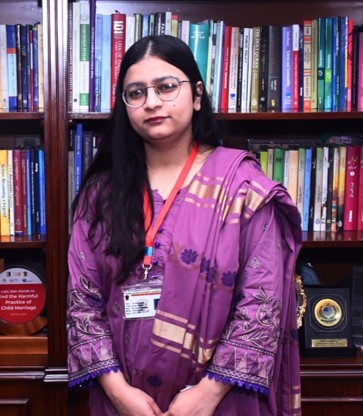
Tehreem Ayesha, Senior Research Fellow, focuses on identity development in individuals raised outside of biological parental care, with a specific focus on adoption, guardianship, and alternative family systems. She integrates psychological, legal, and religious perspectives to understand how concepts such as lineage, belonging, and social recognition influence identity formation and mental health outcomes. Tehreem’s current research includes qualitative studies with scholars and legal experts, as well as archival and doctrinal analyses to build a context-sensitive understanding of dual-identity experiences.
Tehreem’s primary goal is to develop a clinically integrated model of dual identity grounded in clinical psychology, drawing on psychological theory alongside legal and religious frameworks, particularly within South Asian and Islamic contexts. She aims to conduct research that informs evidence-based clinical practice and policy development in areas such as adoption, guardianship (kafala), and identity development within non-biological caregiving systems.
In the longer term, Tehreem is interested in expanding this work through cross-cultural and international research collaborations, including comparative perspectives between South Asian and Western approaches to family systems, child development, and identity formation, with the goal of contributing to globally relevant clinical and psychosocial frameworks.
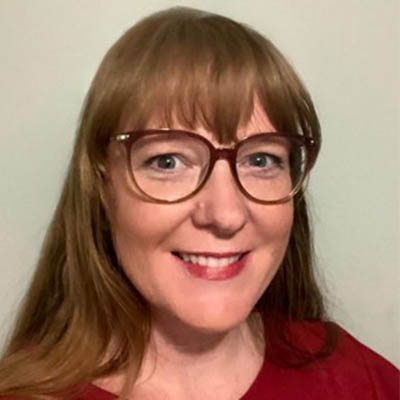
Kelley Ivey, Senior Research Fellow, received both her bachelor’s degree and MSW from the University of Oklahoma. She is currently a licensed social worker with an administrative specialty and is under supervision for clinical licensure. She has worked in public child welfare for 13 years and currently serves as a clinical social worker for the Oklahoma Human Services post-adoption clinical team. In this role, she provides in-home, therapeutic services to families that have adopted through foster care. Kelley has presented at several statewide conferences for foster and adoptive parents on attachment-focused parenting and supporting teenage youth in foster care. She is also a trainer for the Center for Adoption Support and Education TAC program, providing adoption competent training for behavioral health professionals. Her research interests include foster and adoption-competent behavioral health, family support, child welfare, the impact of child welfare on identity, and child welfare practice models.
Research Interests
Contact Email
