Photo by Timothy Hursley
Communities in Oklahoma and around the world face interconnected challenges: improving quality of life, expanding equitable economic opportunity, safeguarding our natural environment, and fostering places where everyone feels included and welcome. The Division of Planning, Landscape Architecture, and Design (PLAD) exists to equip communities with the knowledge and tools to meet these goals.
PLAD unites OU’s longstanding programs in Environmental Design, Landscape Architecture, Regional and City Planning, and the Urban Design Studio. Together, we are forging a new path to address the urgent issues of our time. This integration creates a truly interdisciplinary platform where students can explore, innovate, and implement comprehensive solutions in planning, design, and policy. Our work emphasizes understanding the intricate relationships between social and natural systems, and preparing students to collaborate meaningfully with the communities they serve.
Our mission is to change lives. We prepare and inspire students to partner with communities in building futures that are socially equitable, environmentally resilient, and economically sustainable. Through our research, we help communities, nonprofits, and policymakers not only understand the challenges they face, but also evaluate and implement effective solutions.
We are deeply committed to the state of Oklahoma, with a proven record of collaborating with towns and cities across the state to enhance local quality of life. Our applied projects bring real-world issues into the classroom, giving students hands-on experience while delivering meaningful benefits to the communities we serve.
Though each discipline has its unique approach and focus, we are all inherently intertwined. Together we are equipping students and communities with the tools and knowledge necessary to address global issues such as climate change, equitable urbanization, and the need for sustainable community development.


I think the faculty right now is a really interesting mix that is helping each and every individual student find their way in a really empathetic and supportive environment.

The RCPL program I think is uniquely positioned in a way that is very well connected to a lot of like local practitioners and it has a lot of kind of practical experiences, assignments, a lot of things I was doing, like, while I was pursuing my master’s degree, were not just like theoretical things, we’re doing a lot of hands on projects, going to visit some small towns, not so small towns, talking to other planners who are already practicing..

Those classes are amazing. They are amazingly designed so that students can put the hand on activity to solve the world problems in real life situation. And I was proud to get involved in the design of parks, the design of different buildings in Oklahoma. I remember as a team, we designed a park in a small town not far away from from Norman, and I loved the project.

It is a true testament to the program to see how many Urban Design Studio projects have morphed seamlessly in to the fabric of our city today.
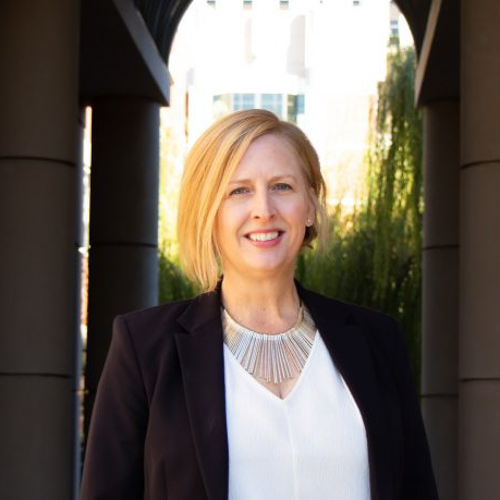
Director of PLAD,
Program Contact for
Regional + City Planning
and Environmental Design,
Associate Professor


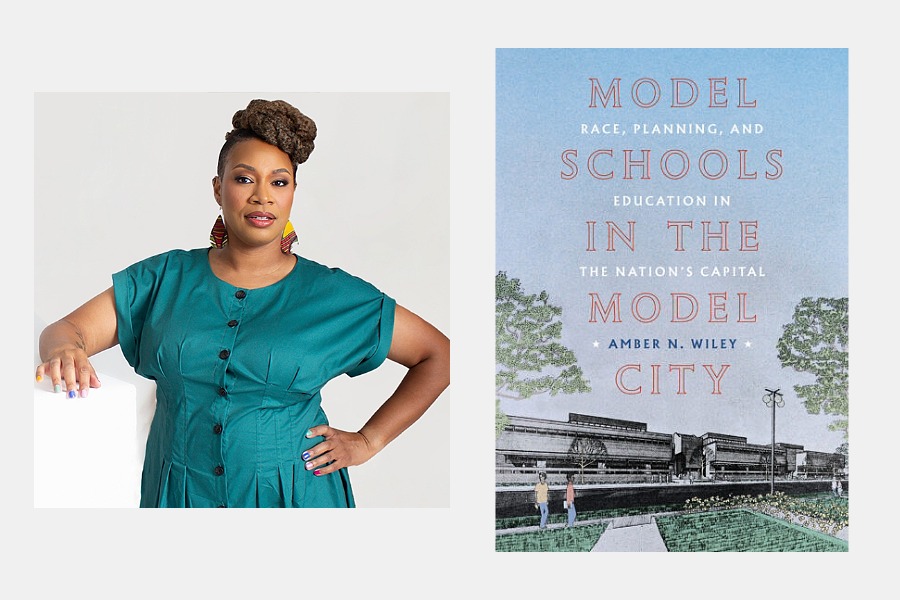
Christopher C. Gibbs College of Architecture professor and Institute for Quality Communities Director Dr. Amber N. Wiley’s book, Model Schools in the Model City: Race, Planning, and Education in the Nation’s Capital, has received two major honors from the Urban History Association.
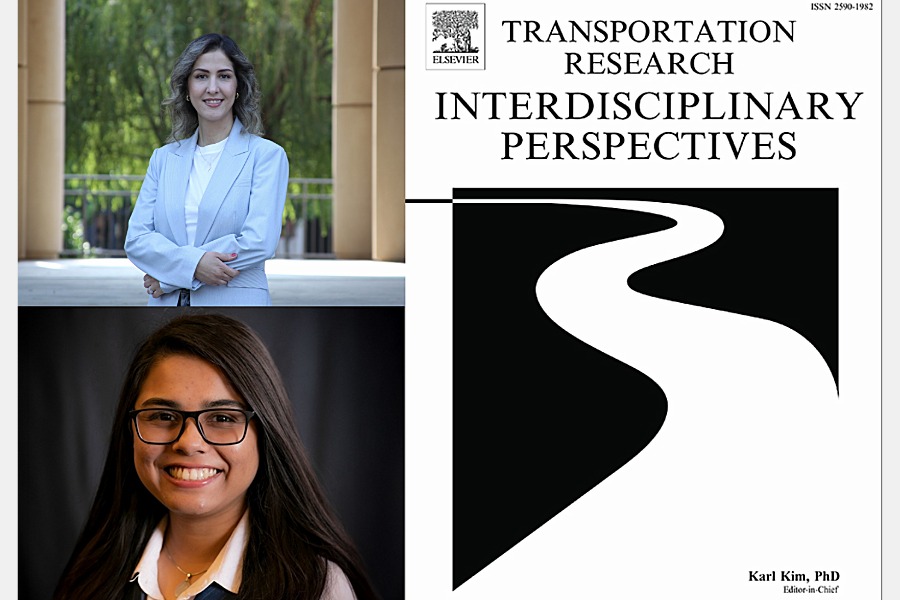
Gibbs College of Architecture Assistant Professor Dr. Ladan Mozzafarian in the Division of Planning, Landscape Architecture and Design (PLAD) recently published a new research article in Transportation Research Interdisciplinary Perspectives with former RCPL student and co-author Tahsin Tabassum.
The Christopher C. Gibbs College of Architecture announces John Harris as Associate Dean for Research ad interim, effective Aug. 25, 2026, until the permanent position is filled.