Building on the conversations about the future of design pedagogy that were started during the March 2020 “Schools of Thought” conference, the Gibbs College of Architecture at the University of Oklahoma is hosting a series of webinar conversations that explore how to adapt to our changing world, or better yet, how to rebuild it as a better world.
About the session
The COVID-19 pandemic has revealed the ways in which culture rather than science often motivates human behavior. Even when we have the scientific understanding to address public health issues, cultural norms or stigmatization may prevent some from modifying behavior. We can see so many examples of where we have the science—mask wearing, vaccinations, social distancing—but cultural resistance is driving policy and behavior. But culture can also be used to motivate change. The arts and humanities can be powerful translators of scientific expertise and inspire important shifts in behavior. The AIDS memorial quilt, for example, brought the lives of loved ones lost into the public eye, rendered the tragedy visible and helped to destigmatize AIDS. This panel will explore examples of how theater, art, novels, architecture and advertising have inspired positive change in regards to public health. In the second half of the discussion, participants will be broken into groups and challenged to develop a concept for an arts and humanities project related to one aspect of the COVID-19 pandemic.
Thursday, July 23, 2020
4:00 – 5:30 p.m. EST
Brenda Child, University of Minnesota
Dr. Brenda Child is Northrop Professor of American Studies at the University of Minnesota. She is the author of award-winning books of American Indian history, including Boarding School Seasons: American Indian Families, 1900-1940, (1998), which won the North American Indian Prose Award. She served as a member of the board of trustees of the National Museum of the American Indian-Smithsonian and was President (2017-2018) of the Native American & Indigenous Studies Association. Child was born on the Red Lake Ojibwe Reservation in northern Minnesota where served as a member of a committee writing a new constitution for the 12,000-member nation. Learn more
Robin Gorna, International AIDS Activist
AIDS activist Robin Gorna has spent 35 years working as a thought leader, activist, and policy maker. She has worked for the World Health Organization, founded the AIDS Strategy, Advocacy and Policy organization and most recently was a leader of the SheDecides organization. Learn more
Fernando Luiz Lara, University of Texas-Austin
Dr. Fernando Luiz Lara is the Potter Rose Professor of Urban Planning at the University of Texas Austin, where he directs the Graduate Program in Architectural History. Professor Lara works on theorizing spaces of the Americas with emphasis on the dissemination of architecture and planning ideas beyond the traditional disciplinary boundaries.
The Summer Schools of Thought Series is led by Stephanie Pilat, Angela Person and Tony Cricchio.
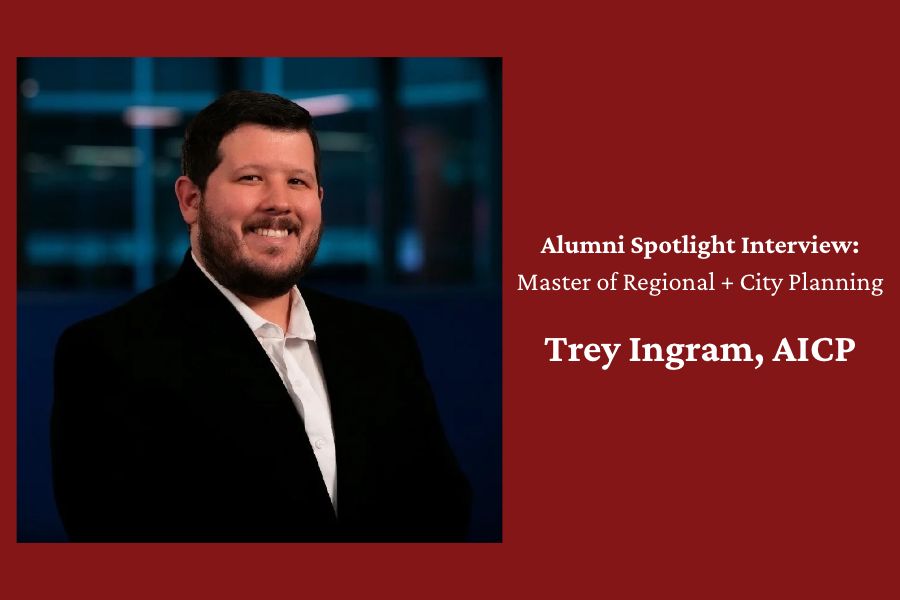
Planning, Landscape Architecture, and Design (PLAD) alumni Trey Ingram, AICP recently spoke with current PLAD student and graduate media assistant Molly Strobel to share his experiences with the Regional and City Planning program and current work with the Toyota Mobility Foundation.
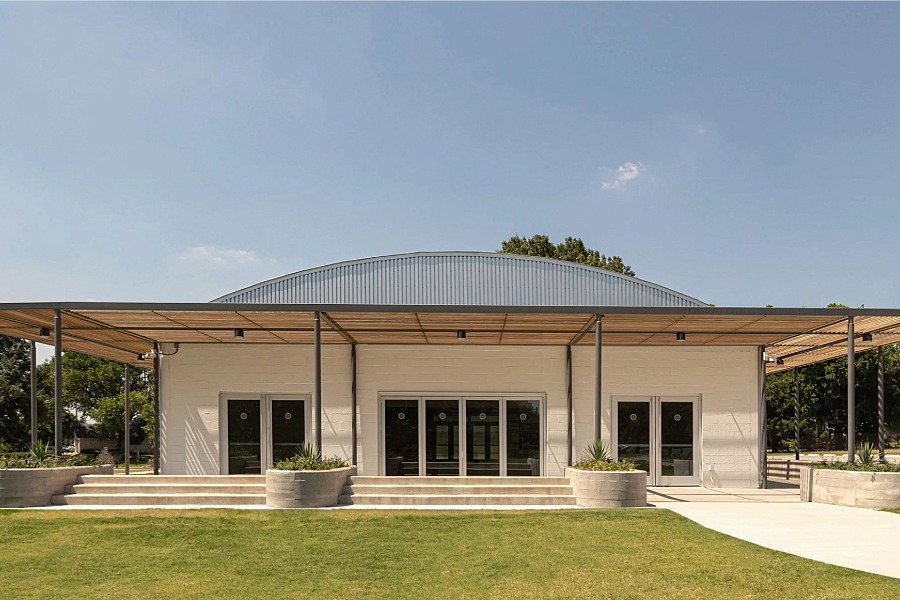
Christopher C. Gibbs College of Architecture assistant professor Amy Leveno and Mark Leveno, co-founders of OFFICIAL Design, have received a 2026 AIA Central States Region Design Award for the firm’s Granger Annex Community Center project in Garland, Texas.
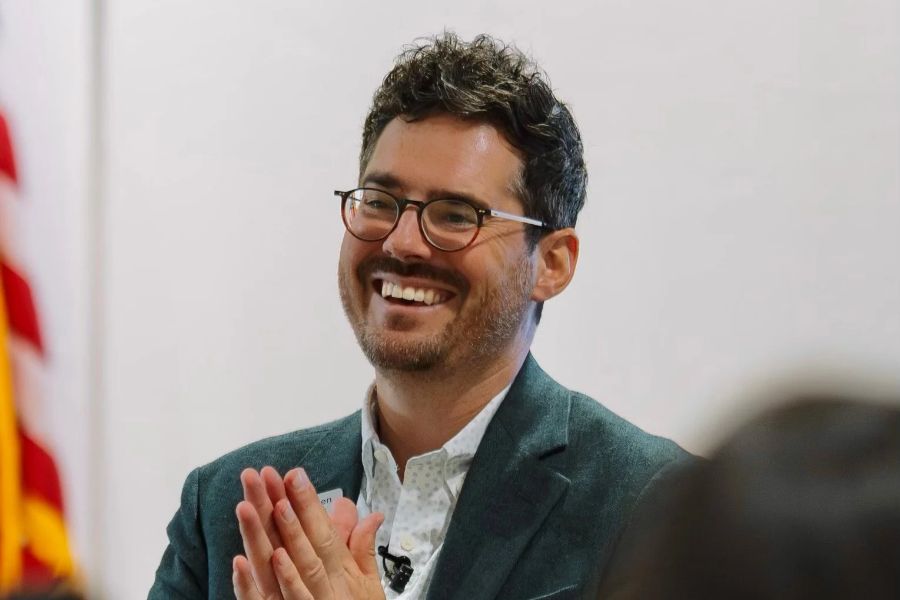
Construction Industry Speaker Series welcomed Stephen Evans from the Oklahoma City National Memorial & Museum to give a lecture on better conversations and relationship building.