The Gibbs College of Architecture student journal Telesis invites contributors to be a part of their award-winning publication once again. They are calling for students, practitioners and others to think about and share the meaning and future of architecture through this year’s topic: Isolation.
Read on for more information about submitting your own anecdote, article, essay, illustration, manifesto, photograph, project (past, present, or future), short story, or other work that enables your fullest response to the topic of isolation.
Submit your work to telesisou@gmail.com.
Contact the Telesis team at telesisou@gmail.com.
On May 5th, 2020, police officer Derek Chauvin knelt on the neck of George Floyd for at least 7 minutes and 46 seconds. Despite Floyd’s body lying unresponsive for 1 minute and 53 seconds, officer Chauvin persisted. George Floyd went into cardiac arrest and was pronounced dead at a nearby hospital. He had allegedly used a counterfeit twenty-dollar bill to buy cigarettes. This was not the first state-perpetrated murder of a person of color, but the initial outrage and subsequent demand for change as a result of this atrocity has been at a scale seen seldom throughout history. A national swell to defund the police, as a way to reify the assertion that Black lives matter, has brought a newfound level of scrutiny to all systems of state-sponsored state-sanctioned captivity, policing, and oppression.
Isolation can be defined by the distinct experience of “otherness”. It describes the experience of incarceration. It characterizes every instance of discrimination. It embodies the final moments of George Floyd and every murder before him. It is in Jim Crow laws, segregation, redlining, predatory lending, and every other divisive tool used to diminish community power. It is in the systems of interstates, highways, and railroads that systematically separate by race and income. Isolation can call to mind desolate imagery or a solitary figure, but should also be associated with crowded prisons or long voting lines in Black and Brown and poor neighborhoods. Isolation as otherness is a lens through which we understand our obligation to tear out the roots of structures of prejudice and injustice. It lays bare the systems and institutions whose foundations need not be salvaged as they were built on the sands of division, oppression, and supremacy. It asks not only that we reconcile where we have been, but more importantly that we have the courage to imagine where we must go next.
Telesis: Isolation is a platform to discuss the systemic change required – at both the infrastructural and social level – to dismantle the equally systemic injustice and inequality. Previous editions have remained philosophical or theoretical in nature; now more than ever, the editors at Telesis believe such a luxury cannot be afforded if we are to be the voice of a new generation in architecture. Design Against [a previous issue of Telesis] asked its authors to be bold in their convictions while Metamedia turned its attention specifically to the social cross section of architecture’s influence. Isolation therefore may represent the confluence of its predecessors, inviting authors to be bold in their calls to action, certain in their convictions, and unafraid to propose radical solutions, as necessary. Architecture has been a profession with a history of, at best, enabling systemic racism if not assuring its generational persistence. As such, we welcome all community members, but specifically call on students, academics, and practitioners in architecture to take ownership of this professional history and use their expertise to invent new solutions for its problems. We are a community with expertise in accessibility, compassion, dignity, resilience, trust, and most importantly the creativity to remain nimble in transforming each of these into a design ideology. With these values in mind, Telesis invites your submission of anecdotes, articles, essays, illustrations, manifestos, photographs, projects (past, present, or future), short stories, or format that otherwise enables your fullest response to the issues at hand.
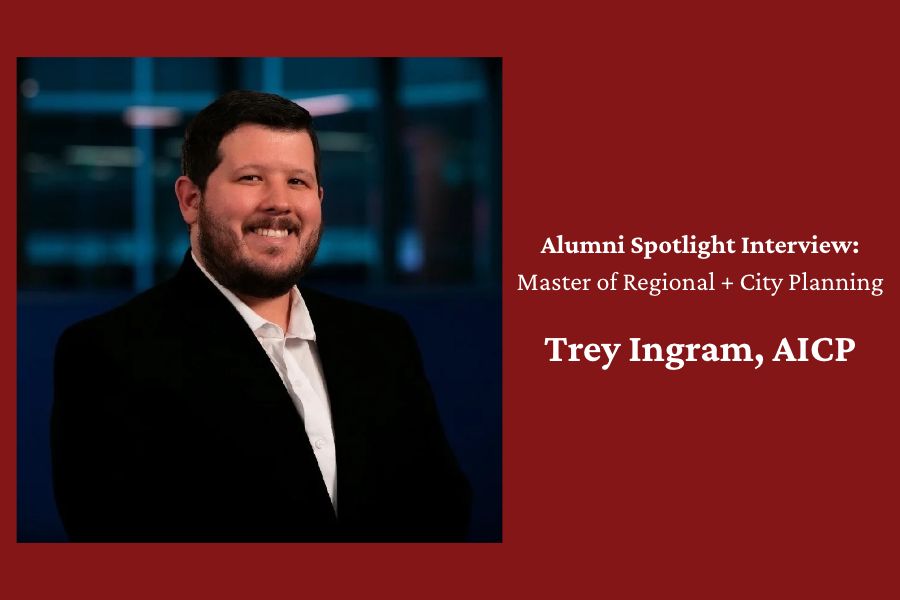
Planning, Landscape Architecture, and Design (PLAD) alumni Trey Ingram, AICP recently spoke with current PLAD student and graduate media assistant Molly Strobel to share his experiences with the Regional and City Planning program and current work with the Toyota Mobility Foundation.
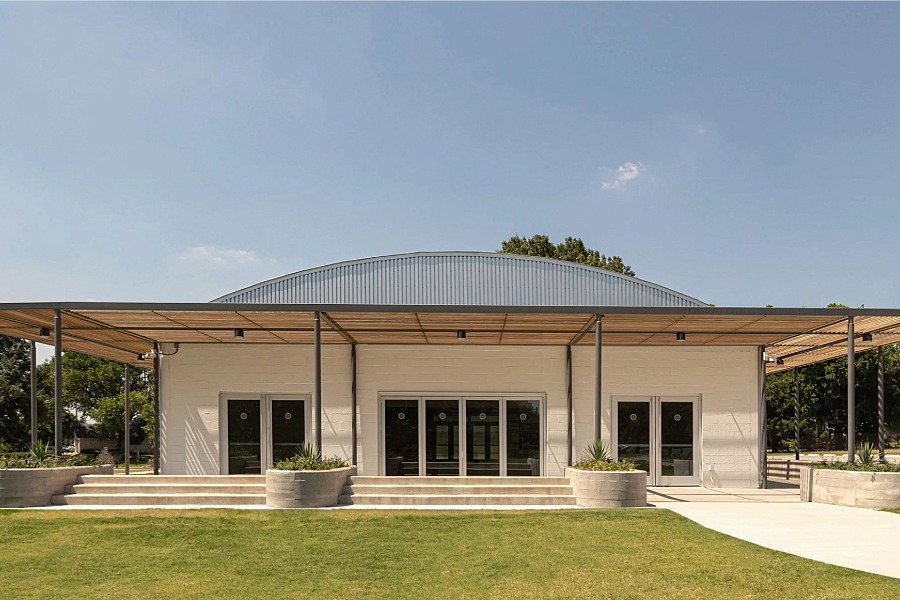
Christopher C. Gibbs College of Architecture assistant professor Amy Leveno and Mark Leveno, co-founders of OFFICIAL Design, have received a 2026 AIA Central States Region Design Award for the firm’s Granger Annex Community Center project in Garland, Texas.
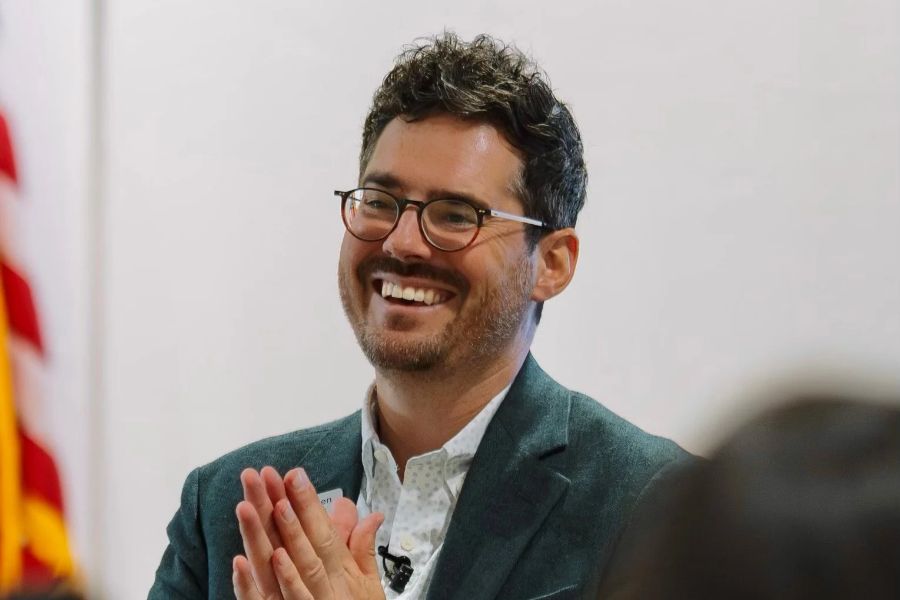
Construction Industry Speaker Series welcomed Stephen Evans from the Oklahoma City National Memorial & Museum to give a lecture on better conversations and relationship building.