Increasingly, faculty are incorporating more hands-on experience into their coursework to help students build a more complete understanding of how concepts operate in real-world contexts.
This approach is particularly helpful in Architecture, where design concepts can be best learned through practice.
Associate Director of Architecture Marjorie Callahan knows how important this can be, especially in today’s changing world. It’s not enough to consider the work alone; students must also understand the landscape in which the profession thrives.
In 2013, Secretary of State John Kerry started the Diplomacy Lab, which enabled the U.S. Department of State to work with students and faculty experts across the United States, on innovative research related to foreign challenges. This program is described as “course-sourcing,” a type of crowdsourced research embedded in college courses.
This year’s Gibbs College Diplomacy Lab, offered in Callahan’s Architecture Methods IX course, will allow senior undergraduate and graduate students to explore issues in contemporary architectural practice, including the role of the client, contracts, practice and project management, leadership skills, legal responsibilities, and ethics.
Their research will emphasize issues of cultural and environmental sustainability, political activism, and the changing role of the architecture profession. Together, students will also study key ingredients for sustainable careers: networking, marketing, finance, logistics and sales.
Prof. Callahan has curated a list of speakers who will connect students with the State Department’s knowledge and resources, while exposing them to the challenges of working in multidisciplinary roles. Among the speakers are Nancy Szalwinski from the U.S. Department of State, Brooke Kamin Rapaport from the Madison Square Park Conservancy and Mark Flemming, Architect of the Capitol.
The students will work in teams to summarize their Diplomacy Lab research in the form of white papers that re-evaluate existing business practices to inform emerging architectural practices.
They will present their findings to State Department staff at the Washington, D.C., Marshall Conference Center via a Zoom meeting.
Previous Gibbs College Diplomacy Labs have explored global issues including entrepreneurship, climate adaptation, and internet capabilities.
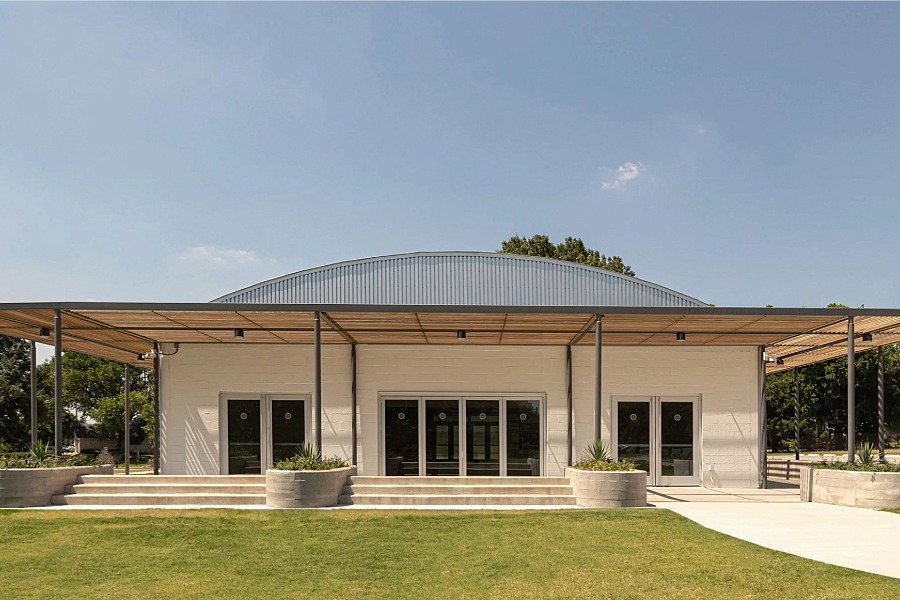
Christopher C. Gibbs College of Architecture assistant professor Amy Leveno and Mark Leveno, co-founders of OFFICIAL Design, have received a 2026 AIA Central States Region Design Award for the firm’s Granger Annex Community Center project in Garland, Texas.
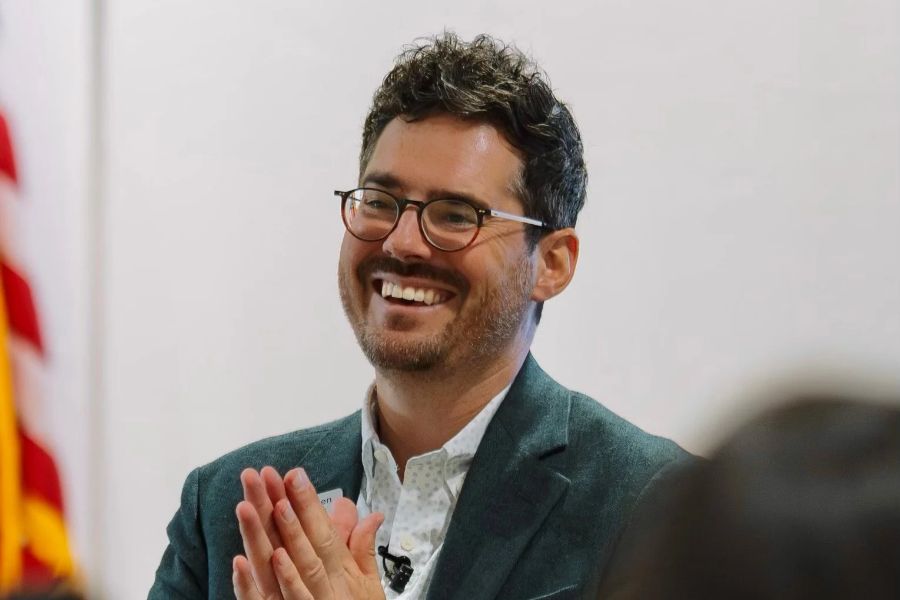
Construction Industry Speaker Series welcomed Stephen Evans from the Oklahoma City National Memorial & Museum to give a lecture on better conversations and relationship building.
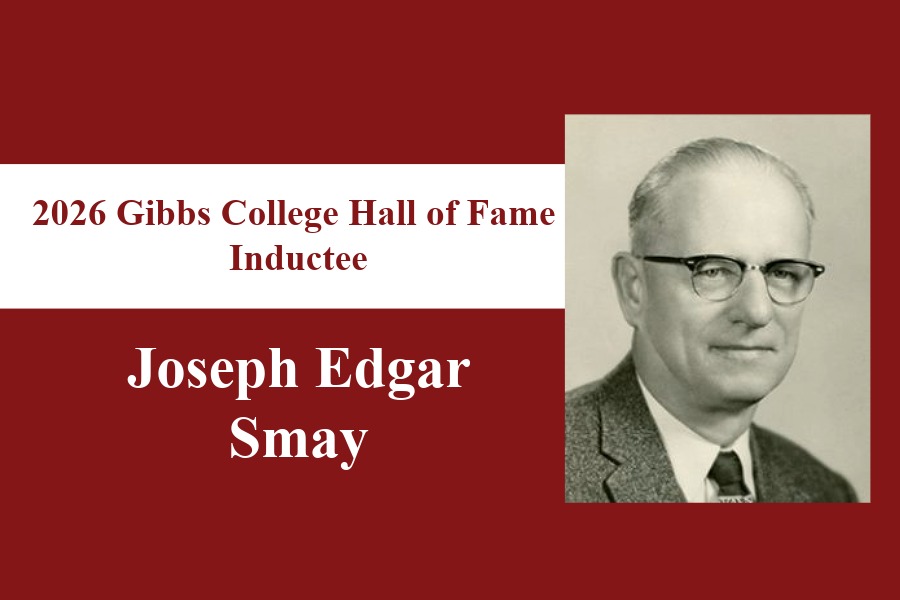
The University of Oklahoma Christopher C. Gibbs College of Architecture Hall of Fame recognizes a select number of high-character individuals who have made a significant and lasting positive impact on Gibbs College, its students, staff, faculty, alumni and/or to communities across the globe. The impact may have been, or continues to be, in the form of service and mentorship, sustained professional excellence, and/or advancement and financial support. Joseph Edgar Smay is part of the 2025 Hall of Fame class.