Fernando Costa, a professor of practice in the Regional + City Planning program, recently chaired a seven-member Urban Land Institute (ULI) advisory services panel in Fort Wayne, Indiana.
ULI is a global, multidisciplinary research and education organization that promotes best practices in real estate development. Professor Costa, who has taught courses in public finance and planning management within Gibbs College for the past fifteen years, currently serves ULI as a Global Governing Trustee, Americas Executive Committee member, and member of the diversity, equity, and inclusion (DEI) Committee.
Invited by Ancora Partners and the Community Foundation of Greater Fort Wayne, Costa joined a team of panelists to study the Electric Works redevelopment project in the city. The panel took place from April 30 through May 5, where the team toured the historic site, interviewed dozens of local stakeholders, and explored opportunities for involving underrepresented businesses and communities in the project.
This research guided the team in creating an equitable development model that real estate developers and public officials can apply to similar projects in other American cities. The model applies DEI principles to large-scale urban development projects, and emphasizes market analysis, inclusive planning, business equity, and off-site community improvements.
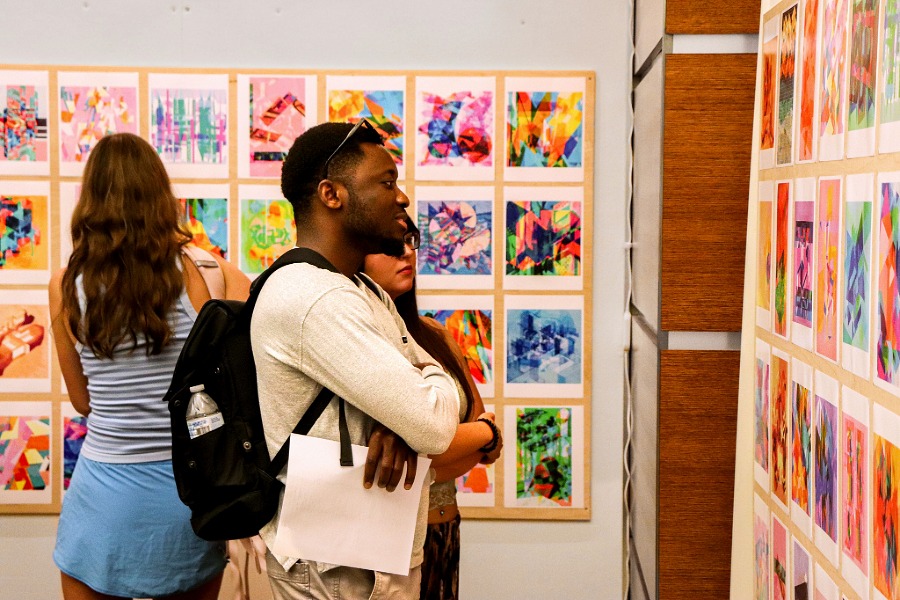
Gibbs College is pleased to present the exhibition 200 Digital Drawings by Professor Tiziana Proietti, currently on display in the Gould Hall Living Room.
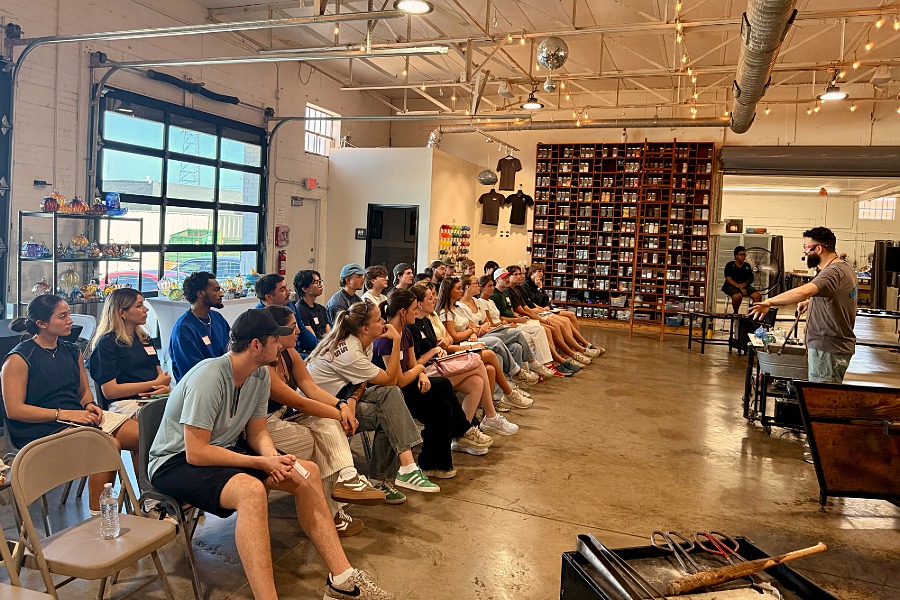
Gibbs College of Architecture Professors Amber Brown and Amy Leveno led 29 students to Dallas, Texas, in September for a learning experience as part of their Design 7 Studio course.
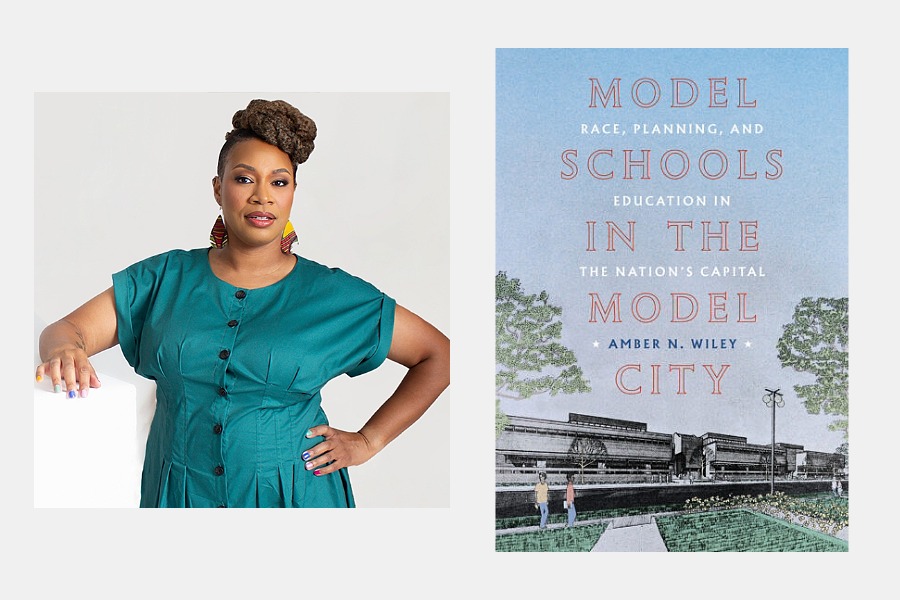
Christopher C. Gibbs College of Architecture professor and Institute for Quality Communities Director Dr. Amber N. Wiley’s book, Model Schools in the Model City: Race, Planning, and Education in the Nation’s Capital, has received two major honors from the Urban History Association.