In summer 2023, Associate Professor of Landscape Architecture Dr. Sarah Little conducted a STEM-focused workshop with interns from RestoreOKC. The workshop focused on the benefits of pollinators, pollinator-friendly plants and green spaces.
RestoreOKC is a community development organization focused on the restoration of health, environment, reconciliation and equity within Northeast Oklahoma City. The organization works to build resilient communities through various restoration projects of local homes, schools, jobs and farms. RestoreOKC also offers an intern program for middle and high school students that gives local youth the opportunity to engage in farming-related activities.

RestoreOKC volunteers.
Dr. Little has cultivated a strong relationship with RestoreOKC over the last several years. In spring 2021, Dr. Little and Dr. Bryce Lowery, associate professor of Regional and City Planning, worked with the organization on the Landscape Architecture Foundation’s Green New Deal Superstudio. At this one-time event, Landscape Architecture studios addressed decarbonization, job creation and social justice. Since that semester project, Dr. Little has participated in various career day events, volunteer days and, most recently, the pollinator workshop.

A RestoreOKC volunteer installing a pollinator garden.
Dr. Little worked with Dr. Ann Miller, farm director at RestoreOKC, to create a rewarding experience for the interns and empower them to increase access to nature in their own neighborhoods. At the workshop, Dr. Little and the interns discussed the value of pollinators and plants that support pollinator lifecycles. The interns then got to design unique pollinator gardens for 4’ x 8’ planting beds, incorporating nectar-producing flowers and drought tolerant plants.

RestoreOKC volunteers installing a pollinator garden.
Dr. Miller secured funding for the installation of these gardens at residential sites throughout NE OKC, allowing the interns to turn their garden concepts into reality. On Sept. 9, the interns engaged with local community members and led volunteer groups in the installation of their gardens. Dr. Little and the RestoreOKC team hope that these gardens will have a lasting positive impact on the region.
Dr. Little explained, “Historically, communities of color have had less access to green space which negatively impacts health and well-being. These pollinator gardens increase residents’ access to nature in addition to increasing pollinator populations that can increase farming yields at RestoreOKC.”
She continued, “Humans experience myriad benefits when exposed to nature. People live longer, experience less incidence of disease, can pay better attention, can regulate behavior, have increased immunity… the list goes on and on.”
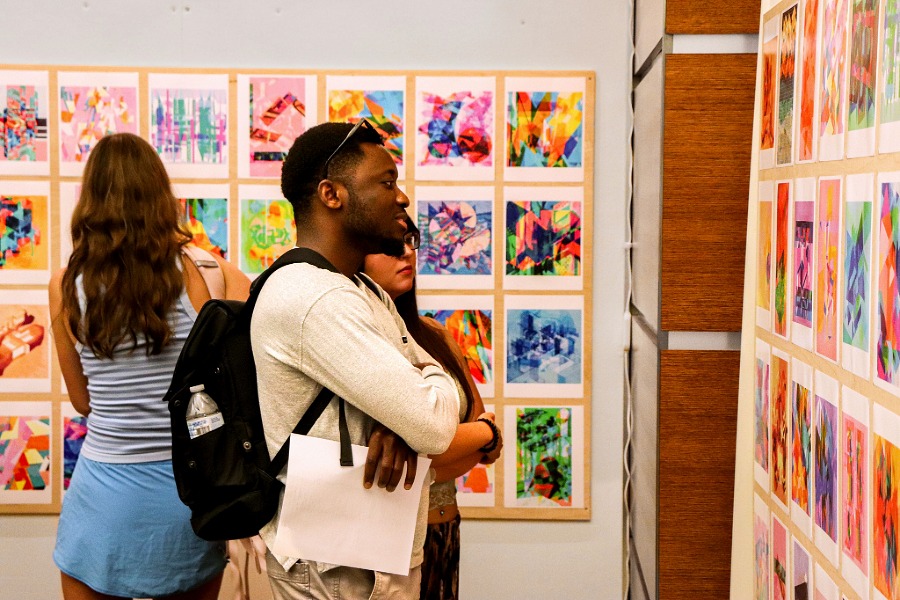
Gibbs College is pleased to present the exhibition 200 Digital Drawings by Professor Tiziana Proietti, currently on display in the Gould Hall Living Room.
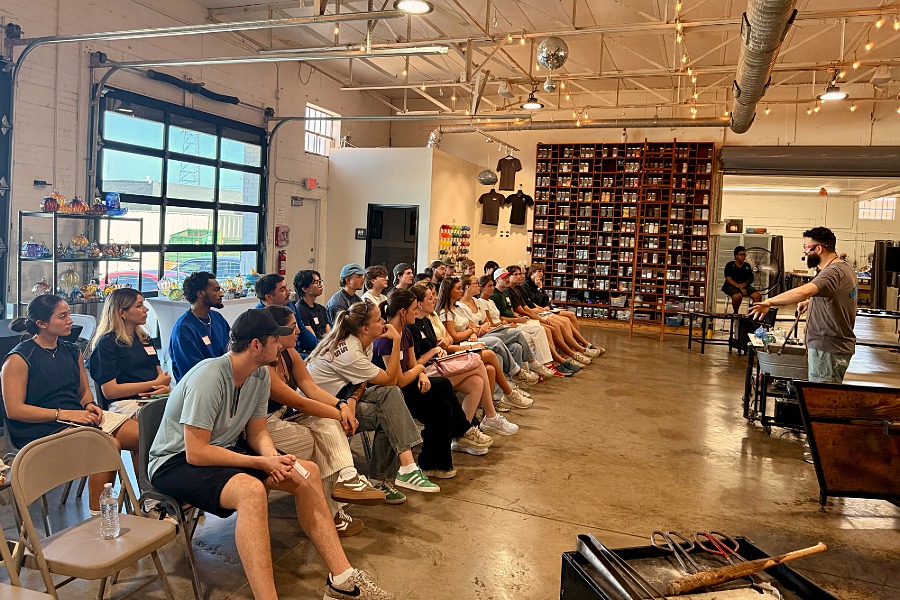
Gibbs College of Architecture Professors Amber Brown and Amy Leveno led 29 students to Dallas, Texas, in September for a learning experience as part of their Design 7 Studio course.
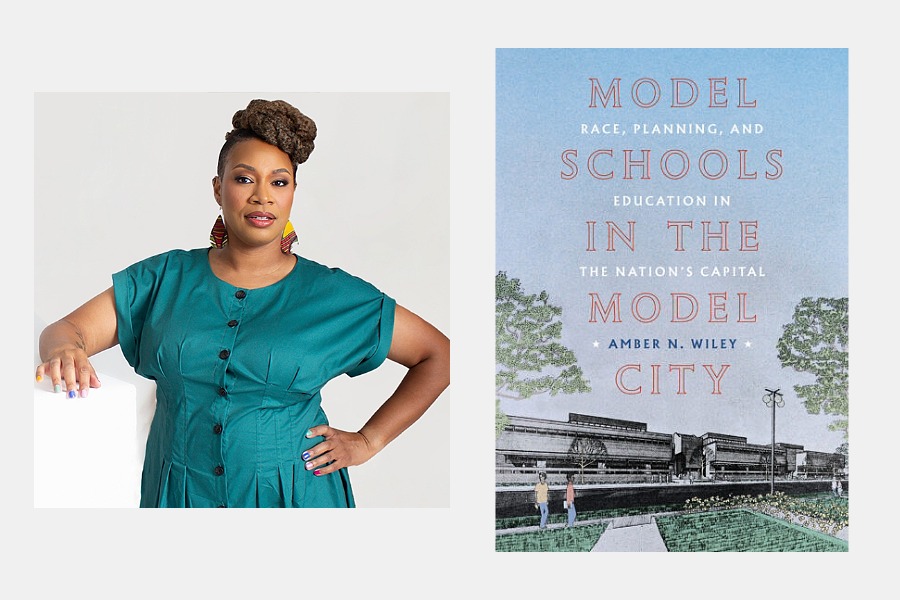
Christopher C. Gibbs College of Architecture professor and Institute for Quality Communities Director Dr. Amber N. Wiley’s book, Model Schools in the Model City: Race, Planning, and Education in the Nation’s Capital, has received two major honors from the Urban History Association.