Third-year Ph.D. student Felipe Flores was recently invited to speak at the Thematic Conference of the International Geographic Union. The conference took place in Mexico City from Aug. 18-25 and featured various sub-thematic sessions, speakers, excursions and workshops.
The IGU is an international professional organization devoted to developing the geography discipline. Each year, the IGU hosts various Thematic Conferences to encourage IGU Commissions to collaborate around a joint theme. This year’s conference in Mexico City was titled “Urban Transformations: Towards Resilient Cities.”
Under the mentorship of Angela Person, Flores presented his research at the National Autonomous University of Mexico. Specifically, he participated in the panel “Local and Urban Governance: lessons from the past and perspectives for resilient and sustainable development in a time of global emergencies and transitions.”

Flores presents at the International Geographic Union conference in Mexico City.
Flores’ research focused on the evolution of Achuar Indigenous Architecture in response to Westernization processes within the Amazon Rainforest of Ecuador. Flores emphasized the critical need to incorporate non-Western design and planning concepts into academic discourse, arguing that it would empower vernacular cultures in South America and across the globe.
According to Flores, one of the most rewarding aspects of the conference was the opportunity to connect with esteemed professors and scholars from around the world. Not only did they appreciate his research, but they also invited Flores to share his work with students through online platforms in the coming months. He is scheduled to engage with Ph.D. students from South Africa and Switzerland, representing a remarkable opportunity for knowledge dissemination and collaborative endeavors.

A panel at the International Geographic Union conference in Mexico City.
Flores was pleased to see how people from various corners of the world converge to exchange ideas and draw knowledge from each other’s experiences in the context of urban transformations and resilient cities. Additionally, Flores noted Mexico City’s lively atmosphere and credits the distinctive cityscape for his overall enjoyment of the conference. He explained, “The exploration of important archaeological sites served as a good reminder of the deep wisdom embedded in ancient cultures and the importance of preserving local traditions and knowledge.”

Flores with colleagues during the International Geographic Union conference in Mexico City.
Flores would like to thank his mentor, Angela Person, as well as Rodrigo Sierra, for their constant guidance and support. He also acknowledges the generous support provided by the Division of Architecture and the Graduate College for this invaluable opportunity.
Lastly, he offers his thanks to the IGU for organizing a week of enriching learning experiences and fostering meaningful connections in the vibrant backdrop of Mexico City.
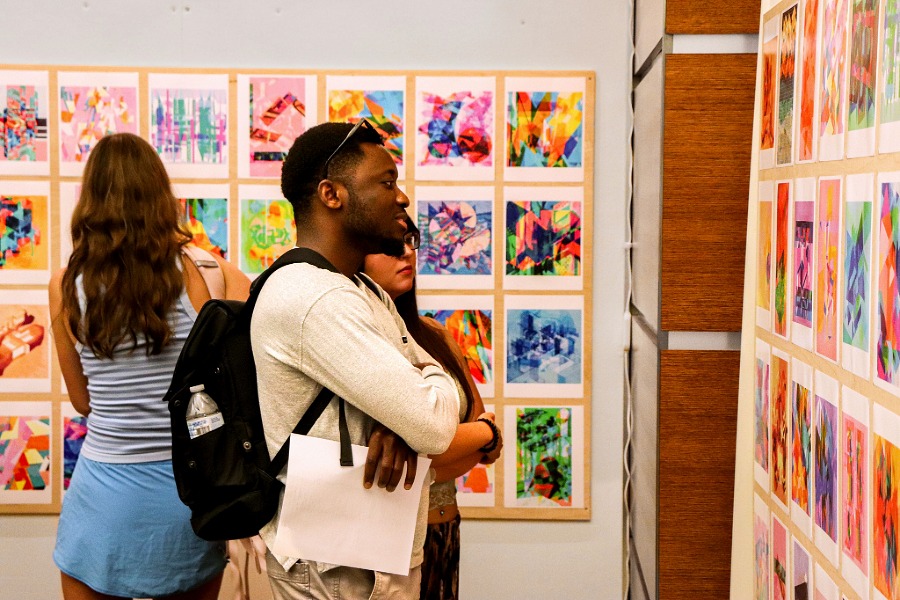
Gibbs College is pleased to present the exhibition 200 Digital Drawings by Professor Tiziana Proietti, currently on display in the Gould Hall Living Room.
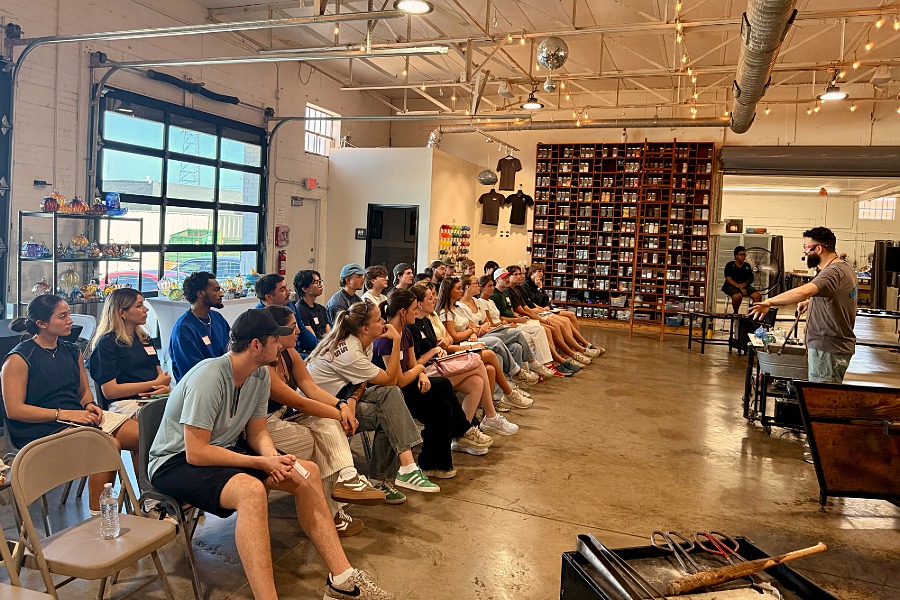
Gibbs College of Architecture Professors Amber Brown and Amy Leveno led 29 students to Dallas, Texas, in September for a learning experience as part of their Design 7 Studio course.
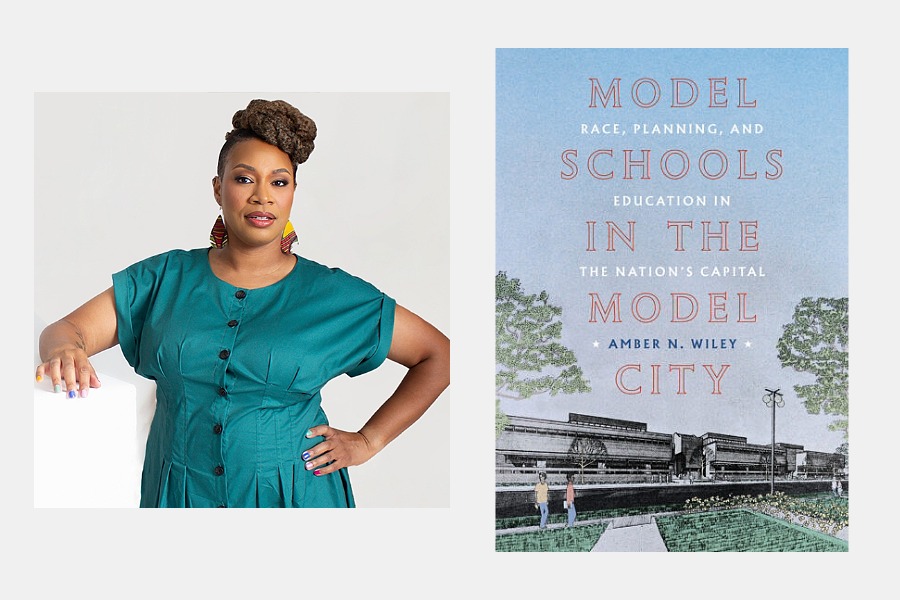
Christopher C. Gibbs College of Architecture professor and Institute for Quality Communities Director Dr. Amber N. Wiley’s book, Model Schools in the Model City: Race, Planning, and Education in the Nation’s Capital, has received two major honors from the Urban History Association.