OU Architecture Associate Professor Wanda Liebermann recently announced the release of her new book, Architecture’s Disability Problem.
The book explores the intersection of architecture and disability in the United States from the perspective of professional practice. Liebermann investigates why, despite the huge impact of the Americans with Disabilities Act on the architectural profession, there has been so little interest in design for disability in mainstream architecture.
Using case studies, the book showcases alternative approaches to designing with disability. These examples highlight buildings and design processes driven by disabled people, shaping design outcomes and professional roles.
Combining historical research, formal and discourse analysis, and interviews with people who design, construct, and use buildings, as well as those who advocate for access, the book develops a social understanding of how buildings work at functional, affective, and symbolic levels in relation to disability.
The book argues for an architectural focus on disability—and the body—instead of the dominance of formal, object-oriented approaches. Its aim is a fundamental shift in the way architectural education, policy, and practice engages with disability.
Architecture’s Disability Problem is available for purchase on Routledge’s website.
Gibbs College is pleased to present the exhibition 200 Digital Drawings by Professor Tiziana Proietti, currently on display in the Gould Hall Living Room.
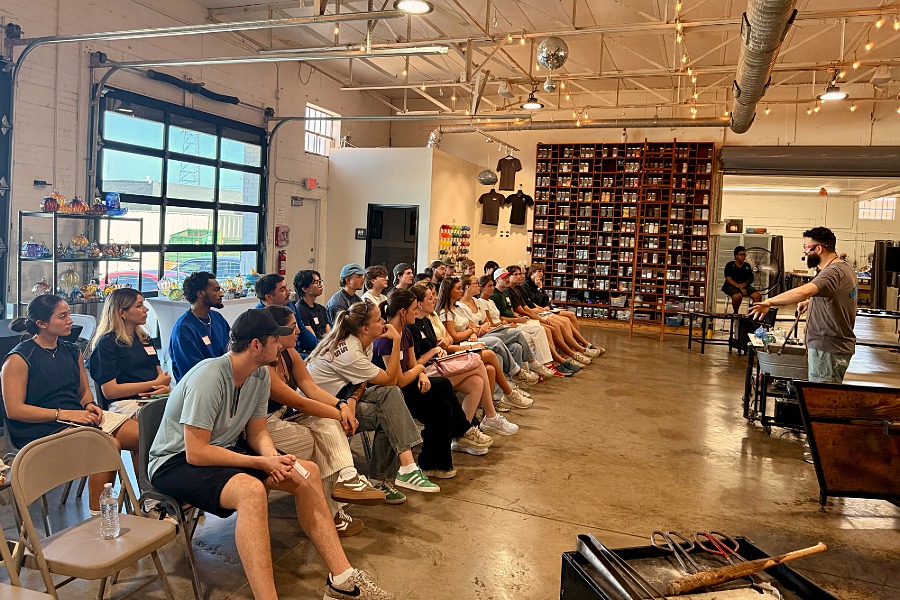
Gibbs College of Architecture Professors Amber Brown and Amy Leveno led 29 students to Dallas, Texas, in September for a learning experience as part of their Design 7 Studio course.
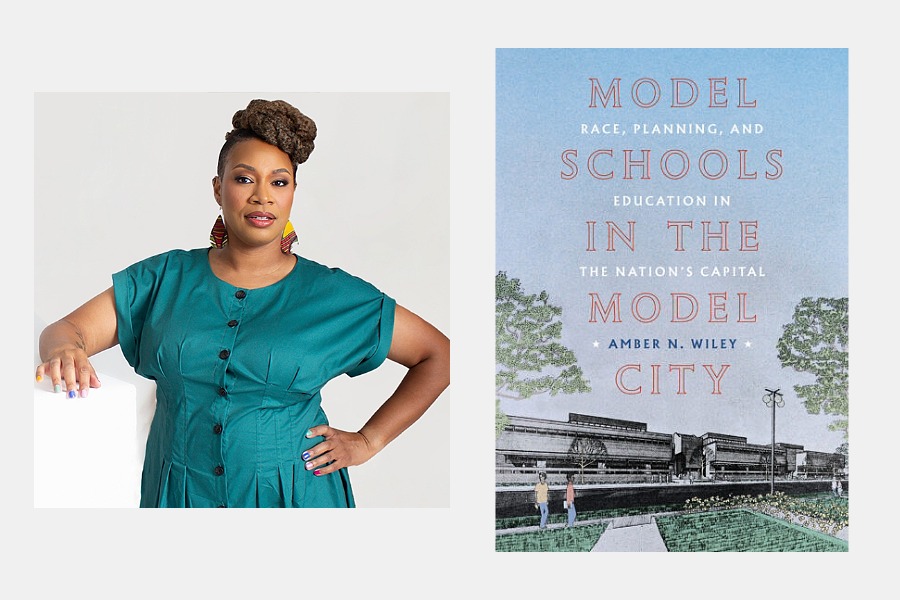
Christopher C. Gibbs College of Architecture professor and Institute for Quality Communities Director Dr. Amber N. Wiley’s book, Model Schools in the Model City: Race, Planning, and Education in the Nation’s Capital, has received two major honors from the Urban History Association.