NEWS


NORMAN, OKLA. – Courtney Hofman, a molecular anthropologist at the University of Oklahoma, has co-authored a scientific perspective in the journal Science that discusses recent research advancements in the field of ancient pathogens with a focus on ethical concerns.
“Because of newly developed technologies, there’s been a burst of ancient pathogen research recently published in high-impact journals. However, because this research is inherently destructive – human teeth and bones are destroyed – there are ethical concerns that should be addressed,” she said. “Some communities are okay with this process, but others are not.”
According to Hofman, ancient pathogen researchers have an opportunity to advance the field by focusing on ethical discussions and engagement with these communities.
“One of the biggest challenges with this research is that it’s hard to tell if someone carries a pathogen just by looking at a human skeleton,” she said. “While there are some indicators, we often don’t know if a pathogen is present until we sequence the sample and often the findings can be unexpected.”
Hofman also raises the concern of using publicly available data for purposes other than those originally intended. One example she cites is biopiracy, or biological theft.
“Biopiracy and developing products that don’t benefit the communities from which the samples came are real concerns,” she said. “People have raised these issues around other types of research data, but there is a need to explore these concerns for ancient pathogen data.”
Through this perspective, Hofman hopes that others in the field will take note and advocate for the ethical collection and use of data, especially in a society where technology and open access often take preference.
Learn more about OU’s Laboratories of Molecular Anthropology and Microbiome Research, a six-chambered, 1,300-square-foot clean room that Hofman directs.
About the project
“Lessons from Ancient Pathogens” has been published in the journal Science, DOI No. 10.1126/science.adk0584. Hofman co-authored the perspective alongside Molly Zuckerman, a biological anthropologist from Mississippi State University. Hofman is a President’s Associates Presidential Professor of anthropology in the Dodge Family College of Arts and Sciences.
About the University of Oklahoma
Founded in 1890, the University of Oklahoma is a public research university located in Norman, Oklahoma. As the state’s flagship university, OU serves the educational, cultural, economic and health care needs of the state, region and nation. OU was named the state’s highest-ranking university in U.S. News & World Report’s most recent Best Colleges list. For more information about the university, visit ou.edu.
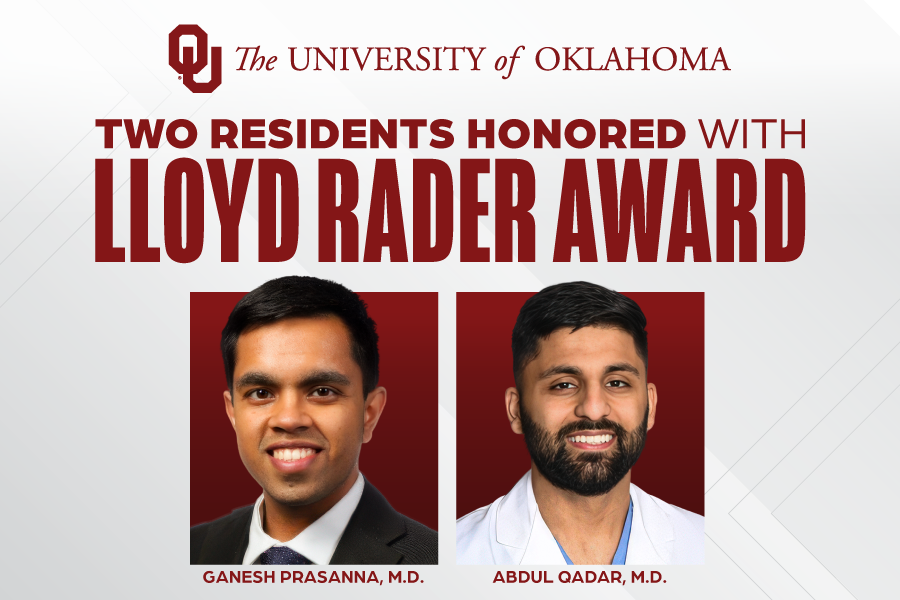
The University of Oklahoma College of Medicine has honored two residents with the Lloyd Rader Award, which recognizes outstanding clinical and research achievements in residency.
The University of Oklahoma will receive up to $220 million over five years from the U.S. Department of Commerce and the National Oceanic and Atmospheric Administration to continue the life-saving weather research led by the OU-NOAA Cooperative Institute for Severe and High-Impact Weather Research and Operations, extending a nearly 50-year partnership that has helped give Americans earlier, more accurate weather warnings
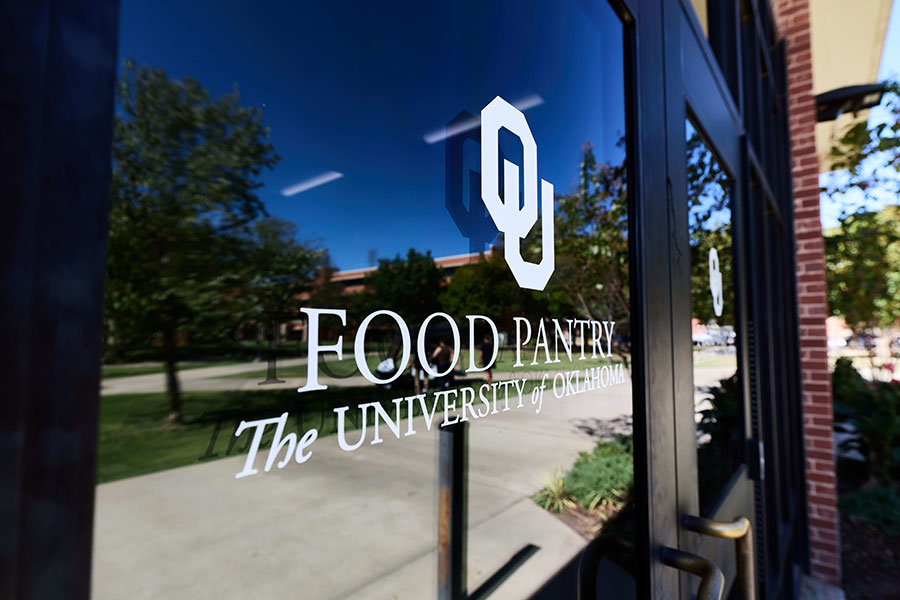
The OU Food Pantry won the annual Red River Food Fight, collecting 31,815.9 pounds of shelf-stable food and drinks to top UT Outpost’s 22,567 pounds. OU has won the competition four years in a row.