NEWS


TULSA, OKLA. – Nearly 100 undergraduate students gathered on the OU-Tulsa campus recently for an exciting introduction to medical school. Pre-Med Day, organized by the OU-TU School of Community Medicine, focuses on recruiting students from tribal, rural, and other underserved Oklahoma communities to help them on their way to the health care professions.
“This started from what I wish I had had,” said Ainsly Wolfinbarger, fourth-year medical student who helped with the event. “I’ve learned that improving health outcomes in Oklahoma starts with inspiring and equipping the next generation of medical providers. And knowing how tough the journey is and how many barriers there are to navigate and hoops to jump through, I want to be able to help them.”
As part of the day, the students participated in a short lecture of the kind they would experience in medical school. They also took part in several simulations, including an abscess, incision, and drainage suturing workshop, practice ultrasound, and a clinical skills demonstration, listening to heart and lung sounds, and learning how to perform ear and eye exams. They were also introduced to social determinants of health, or how socioeconomic factors influence patients’ health, a cornerstone of the School of Community Medicine curriculum. The day ended with a resource fair that included admissions information, MCAT help and even mentoring opportunities with current medical students.
Pre-Med Day is part of a more extensive program aimed at providing guidance for anyone interested in applying to medical school. The Catalyst program, funded by a grant from the Health Resources and Services Administration, provides a mentorship program, medical workshops, MCAT study assistance, and even programming for students in grades K-12. The program strives to recruit, retain, and graduate medical students from tribal, rural, and medically underserved communities who are interested in practicing in these areas following residency training.
“I like to say that Catalyst is an investment that multiplies,” said Wolfinbarger. “It's an investment in students, but it's also an investment in the community and the lives they're going to serve in the years to come.”
To find out more about the Catalyst Program follow the SCM on social media or send an email to the Catalyst Staff Coordinators Dani Kennedy-LaReau and Lauren Johnson at tulsascm@ouhsc.edu.
About the University of Oklahoma
Founded in 1890, the University of Oklahoma is a public research university located in Norman, Oklahoma. As the state’s flagship university, OU serves the educational, cultural, economic and health care needs of the state, region and nation. For more information about the university, visit www.ou.edu.
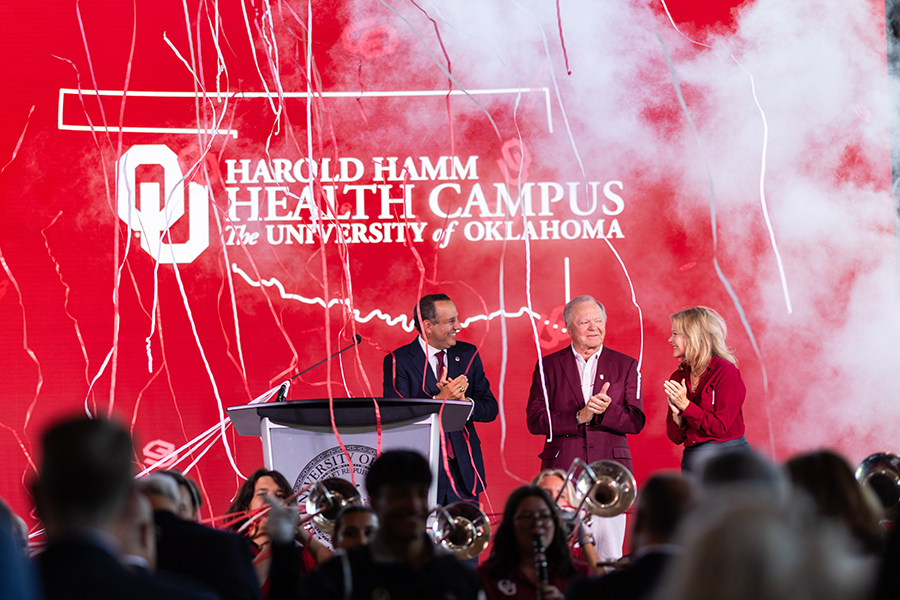
The University of Oklahoma today announced an historic $150 million gift from Harold Hamm, the largest single gift in university history, to lift the health of Oklahoma by advancing health education, research and discovery, strengthening the state’s health care workforce and accelerating the pursuit of breakthroughs against Oklahoma’s critical public health challenges.
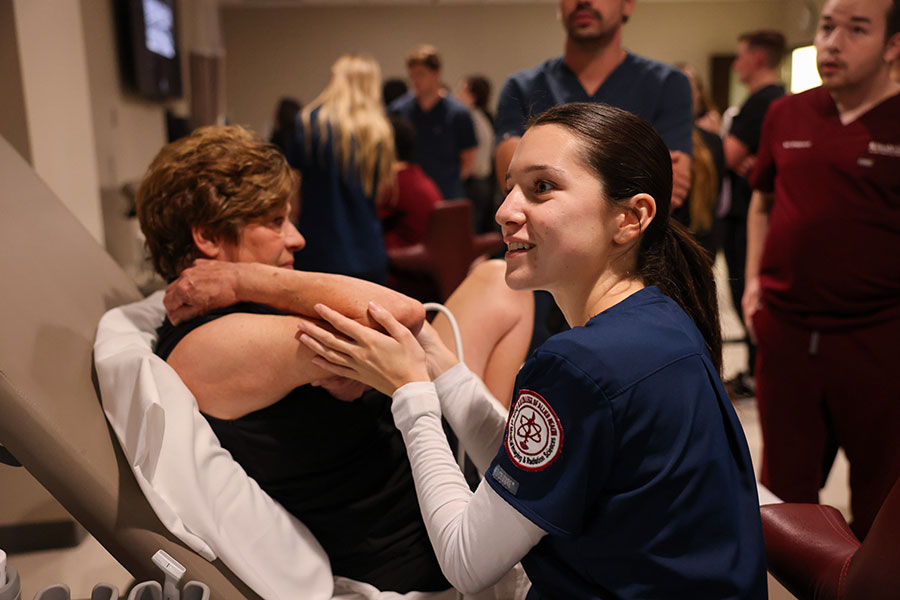
Experienced sonography students in the OU College of Allied Health work with students in the OU College of Medicine on how to utilize modern ultrasound systems. This interprofessional setting is made possible through a recently opened laboratory and cross-college collaboration on the OU Health Campus.
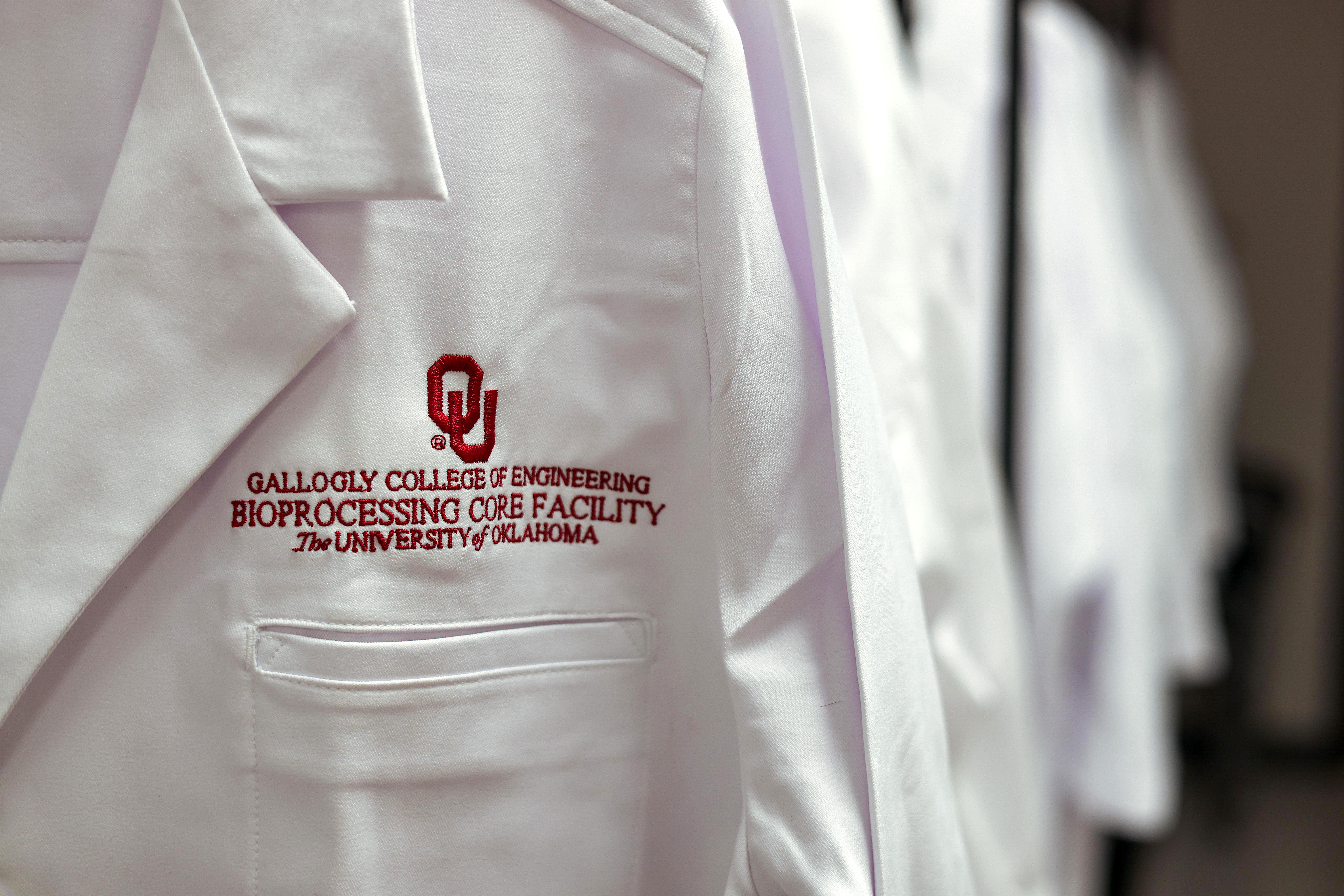
The Gallogly College of Engineering at the University of Oklahoma has launched a new Online Graduate Certificate in Bioprocessing, a forward thinking program designed to expand access to bioprocessing education while strengthening the nation’s biotechnology workforce.