NEWS


NORMAN, OKLA. – Scientists in the Biophotonics and ImmunoEngineering Research Laboratory at the University of Oklahoma recently published a study concerning a novel drug that increases the body’s ability to fight certain diseases. The research will further advance the treatment of metastatic cancers — cancers that spread from its place of origin to another part of the body — and deadly respiratory viruses.
The research highlights the successes of N-Dihydrogalactochitosan, or GC, a new drug with greater immune-stimulating properties than its parent product. This enhanced capability makes GC a promising therapeutic agent that boosts the immune systems through multiple pathways.
“This study provides convincing evidence that GC induces strong antitumor and antiviral immunities,” said Wei Chen, Stephenson Chair and professor and interim director of the Stephenson School of Biomedical Engineering.
GC triggers two important immune system pathways in cells, helping to boost the immune system. This leads to higher production of important immune molecules in dendritic cells, a special type of immune cell that plays a critical role in immune responses. The research shows that GC causes a specific type of cell death that further activates immune cells. The study also indicates that GC helps to start a strong anti-tumor immune response in the areas surrounding tumors. The results from the research published in this study will further advancements for the translation of this novel technology from benchtop to bedside in the fight against both metastatic cancers and respiratory viruses.
In combination with tumor ablation, GC has been used for the treatment of metastatic cancers. This novel combination developed by Chen’s team has been used in multiple clinical trials across the globe, in Switzerland, Germany, the United Kingdom, France, the Netherlands and other countries. In April 2023, the U.S. FDA approved the clinical trials in the U.S. using this novel GC-ablation for “A Multicenter Phase 1b/2a Trial in Colorectal Cancer, Non-Small Cell Lung Cancer, and Soft Tissue Sarcoma Patients.” A cancer clinical trial center has been established at the OU Health Stephenson Cancer Center on the University of Oklahoma Health Sciences campus in Oklahoma City to treat late-stage, metastatic cancer patients using Chen’s technology.
About the research
“N-Dihydrogalactochitosan Drives Conventional and Alternative Activations of STING to Synergize Type I IFN and IL-1β Productions for Antitumor Immunity” is published in Advanced Functional Materials at https://doi.org/10.1002/adfm.202410079. The work results from a close collaboration with a research team led by Min Li, a senior author of the paper from the OU College of Medicine. Li and Chen are principal investigators of a joint National Institutes of Health R01 grant that supports their research for the treatment of metastatic pancreatic cancers using GC in mouse models. In addition, researchers from Immunophotonics, Inc. and the Oklahoma Medical Research Foundation also made significant contributions to the paper.
About the University of Oklahoma
Founded in 1890, the University of Oklahoma is a public research university located in Norman, Oklahoma. As the state’s flagship university, OU serves the educational, cultural, economic and health care needs of the state, region and nation. OU was named the state’s highest-ranking university in U.S. News & World Report’s most recent Best Colleges list. For more information about the university, visit ou.edu.
This article was edited on Sept. 26, 2024, to include information about using GC and tumor ablation in combination in clinical trials.
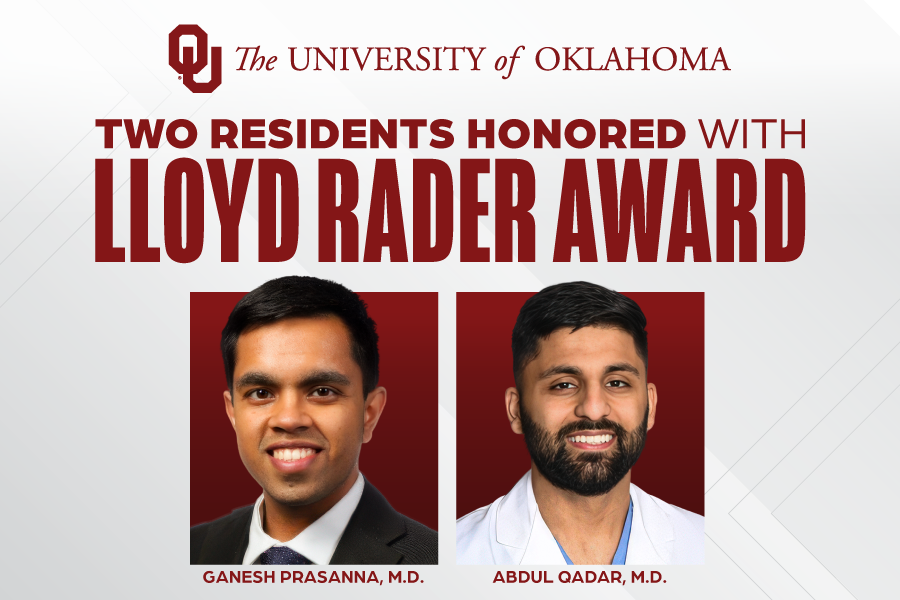
The University of Oklahoma College of Medicine has honored two residents with the Lloyd Rader Award, which recognizes outstanding clinical and research achievements in residency.
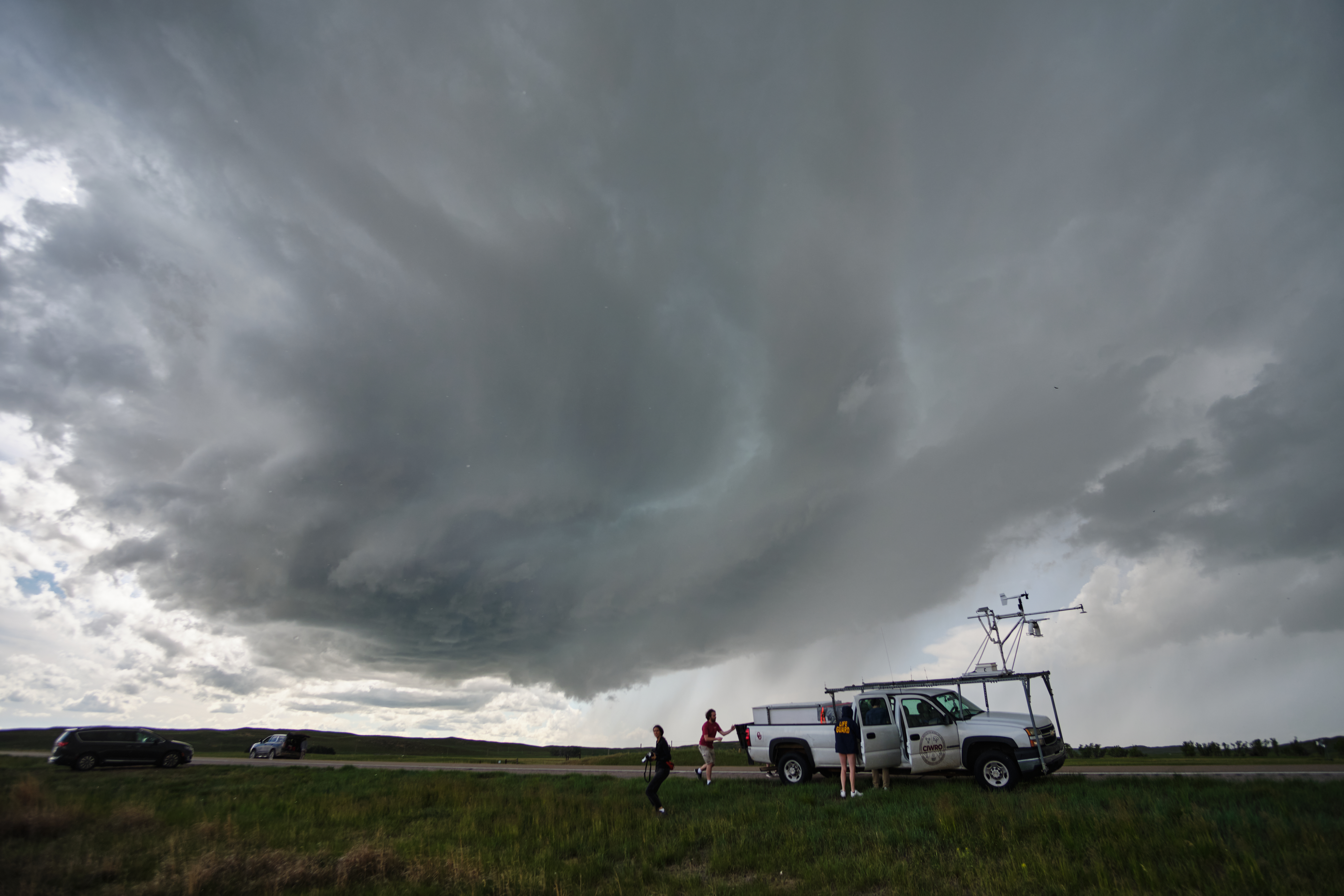
The University of Oklahoma will receive up to $220 million over five years from the U.S. Department of Commerce and the National Oceanic and Atmospheric Administration to continue the life-saving weather research led by the OU-NOAA Cooperative Institute for Severe and High-Impact Weather Research and Operations, extending a nearly 50-year partnership that has helped give Americans earlier, more accurate weather warnings
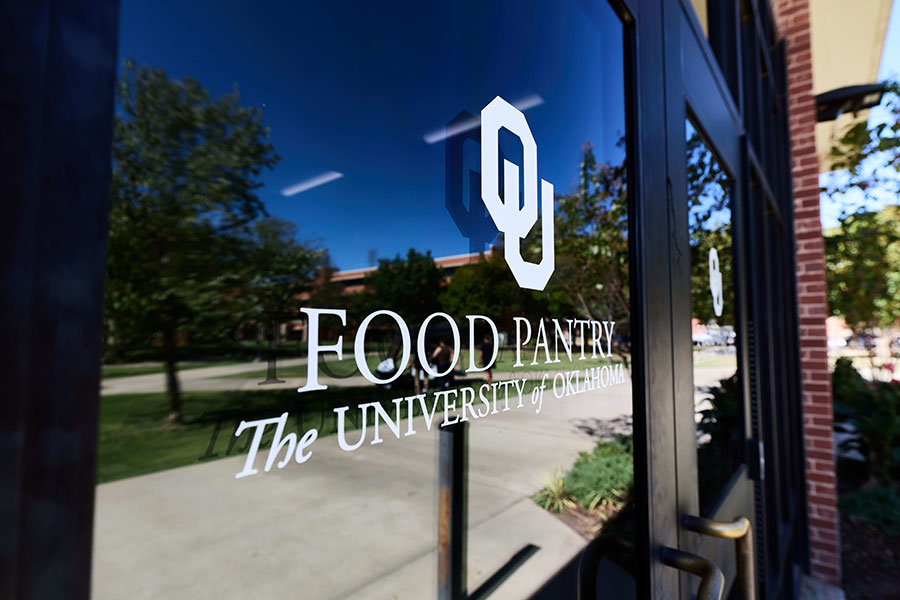
The OU Food Pantry won the annual Red River Food Fight, collecting 31,815.9 pounds of shelf-stable food and drinks to top UT Outpost’s 22,567 pounds. OU has won the competition four years in a row.