NEWS


OKLAHOMA CITY – April 4, University of Oklahoma researchers launched the Children’s Environmental Health Center in the U.S. Southern Great Plains, a groundbreaking initiative dedicated to advancing research on children’s health and environmental exposures, following a year of preparation. Funded by a $1.8 million grant from the U.S. Environmental Protection Agency, this new center aims to reduce school absences by addressing the health impacts affecting children in rural and agricultural communities across the Southern Great Plains. The research will also inform the development of effective and affordable interventions to improve health outcomes for children.
“Our team is working to understand how early-life exposure to both chemical and non-chemical stressors affect children’s health and well-being in these communities,” said Changjie Cai, Ph.D., Assistant Professor in the Department of Occupational and Environmental Health at the Hudson College of Public Health and a leader on the project. “The goal of the center is to better serve the Southern Great Plains region, with a focus on mitigating early-life stage exposures that span from prenatal development through early childhood to adolescence, particularly in rural agricultural communities.”
This collaborative center is led by Cai, who serves as its director and is the principal investigator for the research effort. The team includes Diane Horm, Ph.D., a professor emeritus and the founding director of the OU-Tulsa Childhood Education Institute, and Dan Li, Ph.D., an associate professor in the OU Department of Health Promotion Sciences.
The center builds on the ongoing OK-AIR project (Advancing Indoor-environment Research for Children in Oklahoma), which is led by Horm, and will continue and expand upon its work. The OK-AIR project is originally funded by the Oklahoma Partnership for School Readiness and the Preschool Development Grant.
Research has shown that children in rural and agricultural communities face increased health risks due to environmental exposures. These risks stem from pollutants in the air, water and soil and extreme weather, as well as socioeconomic stressors such as poverty and limited access to health care. The center aims to reduce school absenteeism by addressing these key environmental and social factors. “This progress is the result of strong school-family-community partnerships and the implementation of a comprehensive, tiered approach,” Li said.
“At the Early Childhood Education Institute, our mission has always been to support the well-being of young children through research,” Horm said. “This collaboration will allow us to better assess and address the factors influencing children’s health in rural areas.”
The center will also develop a community-driven and data-driven Children’s Health and Social Vulnerability Index at both the community level and individual level to assess health and social needs in rural programs. This index will identify both chemical and non-chemical stressors associated with school absenteeism and will guide comprehensive, tiered interventions aimed at improving children’s health, educational outcomes and overall well-being in these communities.
About the University of Oklahoma
Founded in 1890, the University of Oklahoma is a public research university located in Norman, Oklahoma. As the state’s flagship university, OU serves the educational, cultural, economic and health care needs of the state, region and nation. For more information about the university, visit www.ou.edu.
The University of Oklahoma College of Medicine has honored two residents with the Lloyd Rader Award, which recognizes outstanding clinical and research achievements in residency.
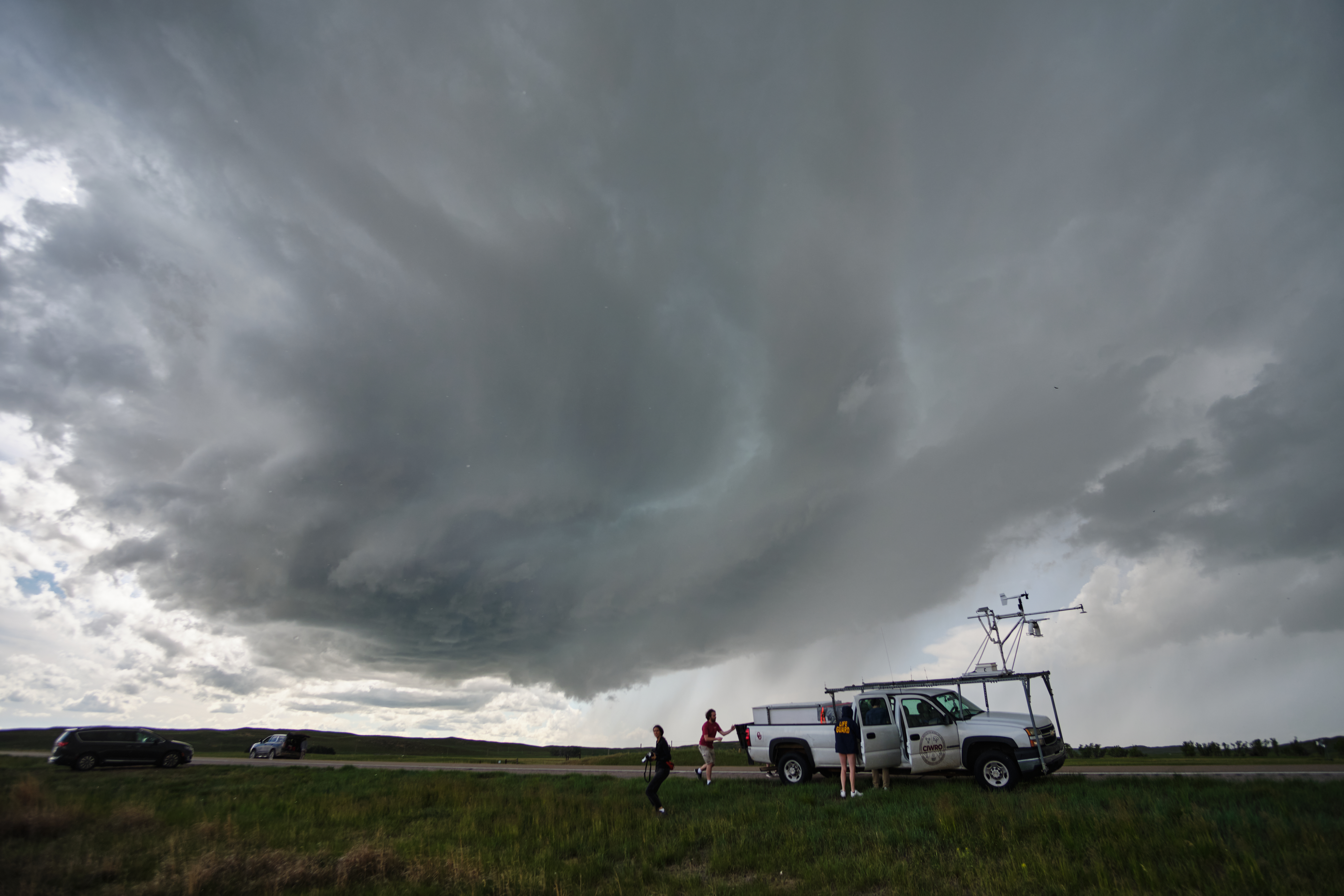
The University of Oklahoma will receive up to $220 million over five years from the U.S. Department of Commerce and the National Oceanic and Atmospheric Administration to continue the life-saving weather research led by the OU-NOAA Cooperative Institute for Severe and High-Impact Weather Research and Operations, extending a nearly 50-year partnership that has helped give Americans earlier, more accurate weather warnings
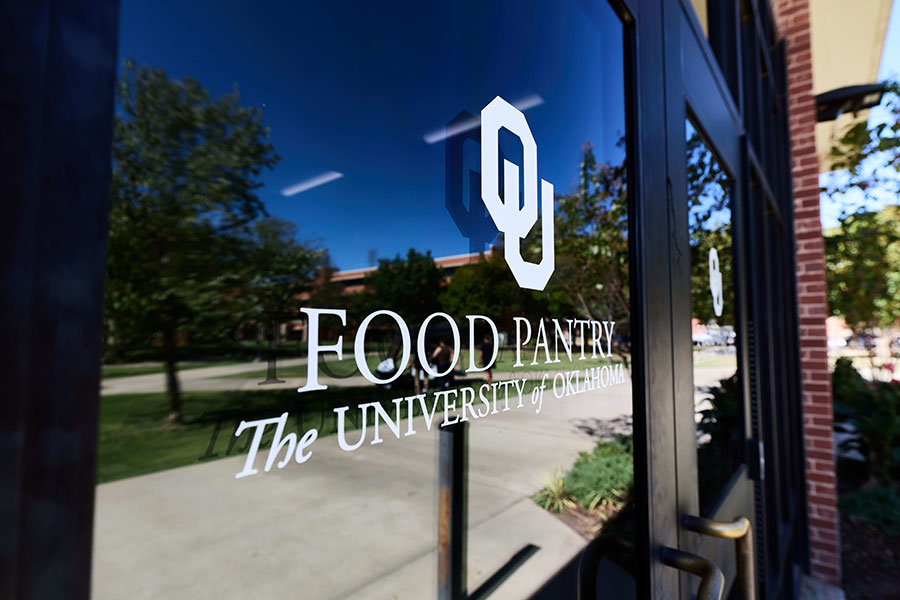
The OU Food Pantry won the annual Red River Food Fight, collecting 31,815.9 pounds of shelf-stable food and drinks to top UT Outpost’s 22,567 pounds. OU has won the competition four years in a row.