NEWS


OKLAHOMA CITY, OKLA. – For everyone with a New Year’s resolution to quit tobacco, the TSET Health Promotion Research Center (HPRC), a program of the University of Oklahoma Health Sciences, can help.
The HPRC offers free tobacco cessation treatment through the Tobacco Treatment Research Program. The program provides tobacco cessation counseling services in-person or by telephone, nicotine patches, and nicotine lozenges or gum, all free of charge and regardless of insurance status. Additionally, there are opportunities to participate in paid tobacco cessation research studies involving smartphone apps, prescription medications and monetary rewards for quitting. The program’s new and innovative treatment interventions can be very helpful for those who have had difficulty quitting tobacco products in the past. Participants must be 18 or older and use cigarettes or other nicotine products.
“You don’t have to do this alone. You have the best chance of quitting if you use treatments that are proven effective, including counseling and nicotine replacement therapy,” said Darla Kendzor, HPRC co-director. “Our trained and caring staff want to help you become tobacco-free in 2025.”
The TTRP can help with New Year’s resolutions by supplying the tools needed to live a healthier lifestyle. For more information about smoking cessation treatment and participating in research, call (405) 271-QUIT (7848), email TTRP@ouhsc.edu or visit 271quit.com
The HPRC is an integral component of the Cancer Prevention and Control Program of the NCI-Designated OU Health Stephenson Cancer Center. Over the past six years, the HPRC has become a nationally recognized tobacco research center. Modifiable health risk factors that substantially impact the health of Oklahomans have increasingly become a research focus of center investigators (e.g., sedentary lifestyle, cancer screening, risky alcohol and other substance use).
About the project
The HPRC receives funding from the OU Health Stephenson Cancer Center via an NCI Cancer Center Support Grant (P30CA225520) with additional support from the Oklahoma Tobacco Settlement Endowment Trust Contract STCST00400_FY24.
About the University of Oklahoma
Founded in 1890, the University of Oklahoma is a public research university located in Norman, Oklahoma. As the state’s flagship university, OU serves the educational, cultural, economic and health care needs of the state, region and nation. For more information about the university, visit www.ou.edu.
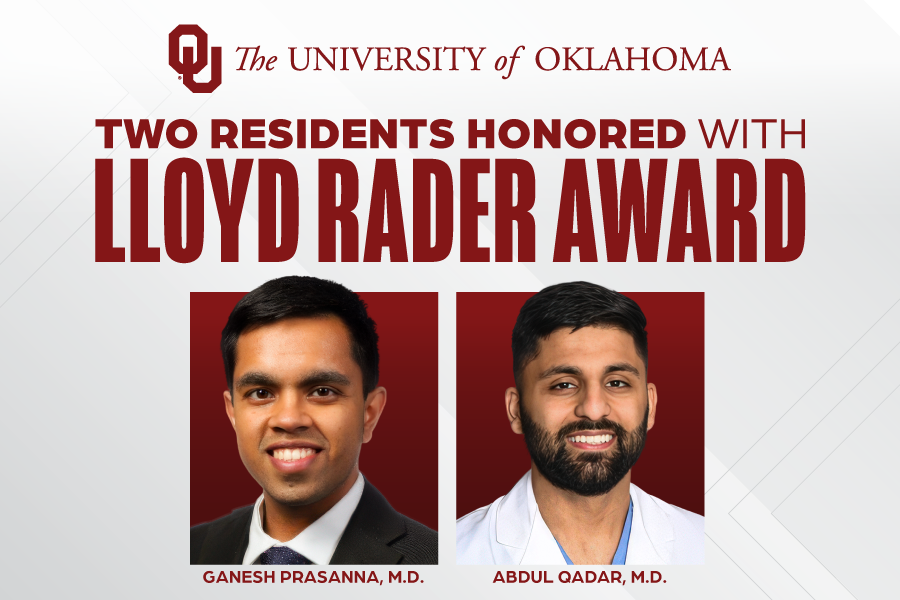
The University of Oklahoma College of Medicine has honored two residents with the Lloyd Rader Award, which recognizes outstanding clinical and research achievements in residency.
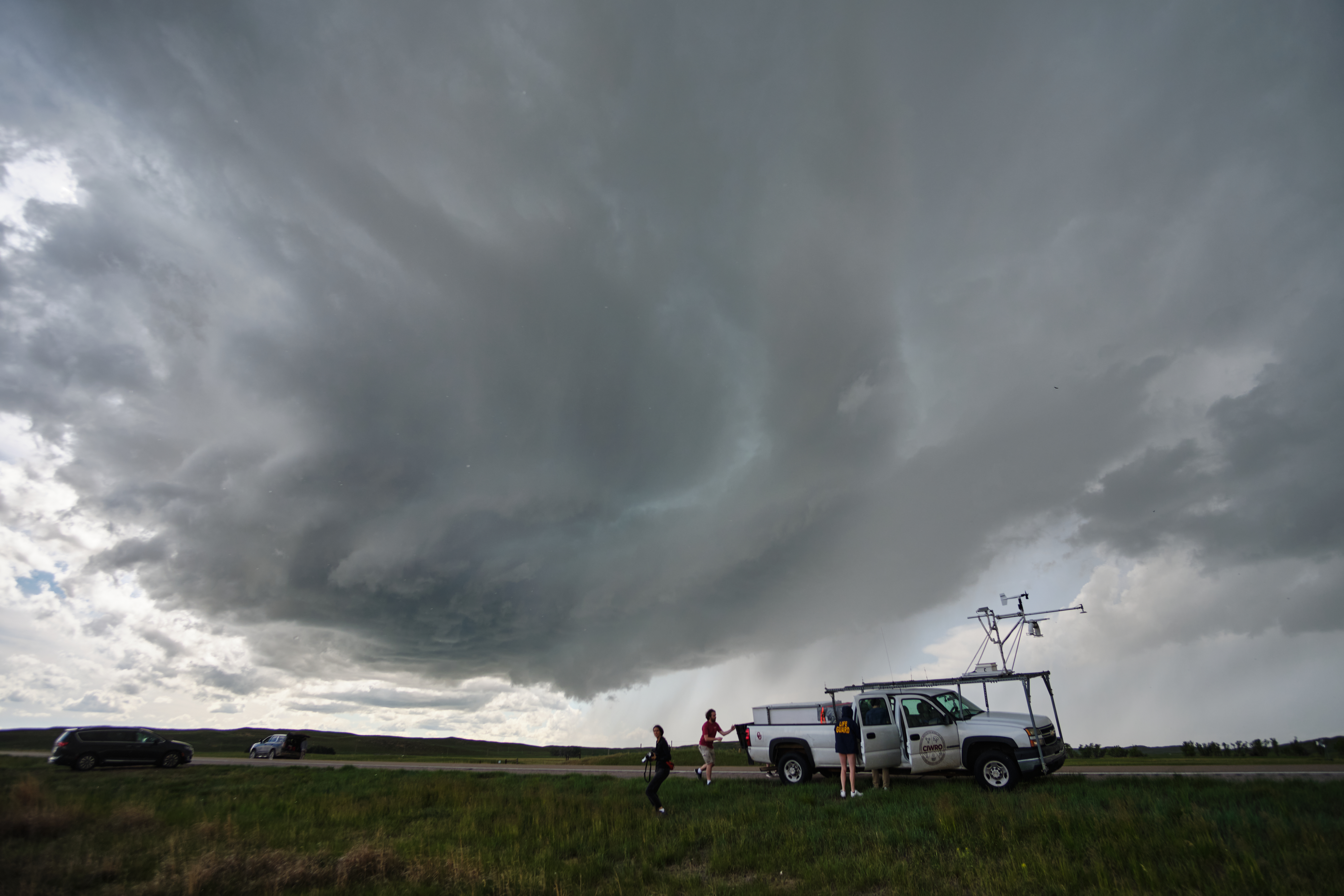
The University of Oklahoma will receive up to $220 million over five years from the U.S. Department of Commerce and the National Oceanic and Atmospheric Administration to continue the life-saving weather research led by the OU-NOAA Cooperative Institute for Severe and High-Impact Weather Research and Operations, extending a nearly 50-year partnership that has helped give Americans earlier, more accurate weather warnings
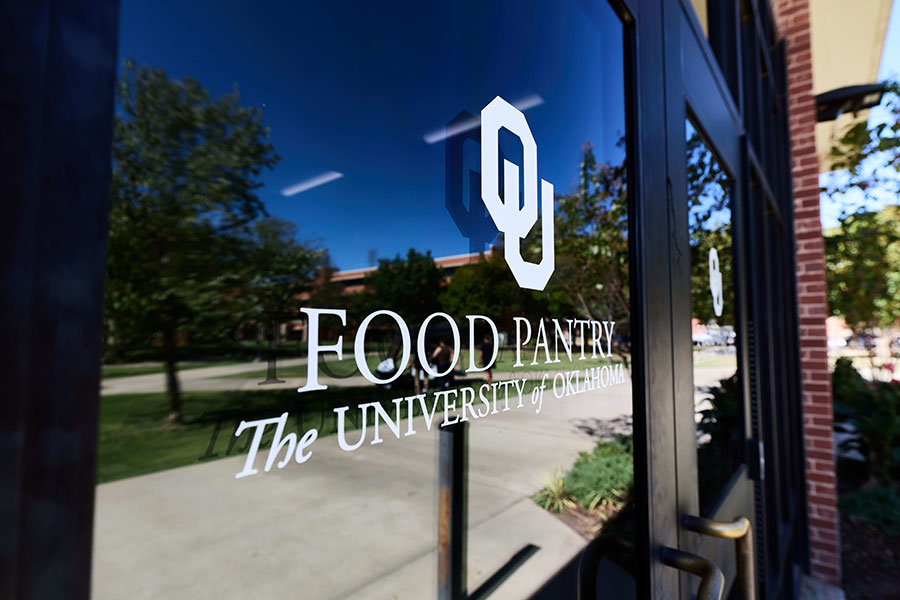
The OU Food Pantry won the annual Red River Food Fight, collecting 31,815.9 pounds of shelf-stable food and drinks to top UT Outpost’s 22,567 pounds. OU has won the competition four years in a row.