NEWS


NORMAN, OKLA. –Shifting seasons, temperature changes and erratic rainfall disturb the crucial relationship between pollinators and plants. Recently published research conducted at the University of Oklahoma offers practical solutions to help pollinators, like bees, wasps and flies, adapt to these challenges.
Changes in seasonal patterns can shift the timing of plant and pollinator activities, hindering their interactions. If these changes occur in early spring, pollinators can emerge before flowers bloom, leaving them without food. Conversely, flowers can bloom without pollinators, missing the chance to be pollinated. Either failure can disrupt their entire ecosystem.
Under the mentorship of OU biology professor James Hung – who recently discovered a new species of bee – student researchers worked to find a solution. Their research findings suggest that urban gardens can help alleviate food shortages for pollinators.
“We observed 879 pollinators in three urban botanical gardens in Oklahoma City, hoping to determine which plants could support these early pollinators during this critical time,” said Tori Wierzchowski, lead researcher and recent OU graduate.
According to their study data, the plants that attracted the highest diversity and abundance of pollinators were large shrubs or small trees with clusters of small to medium-sized white flowers.
“Although decorative flowers might look nice to humans, they don’t provide much for pollinators. Choosing plants like densely flowering trees, native species or select exotic plants can make a real difference,” said Abby Ren, a former honors research assistant in Hung’s research group who assisted with this project.
These findings highlight the value of undergraduate research at OU, particularly within interdisciplinary programs like Environmental Studies, where students can explore complex real-world issues.
“As climate change disrupts seasonal rhythms, our findings highlight the urgent need to support native pollinators,” said Brooke Haden, a former honors thesis scholar in Hung’s lab who participated in this research. “If these pollinator groups disappear, entire ecosystems could be destabilized.”
Learn more about Hung’s Pollinator Ecology Lab and OU’s Environmental Studies program.
About the project
“Woody flowering plants support early-spring pollinators in urban greenspaces,” is published in the Journal of Insect Conservation, DOI no. 10.1007/s10841-024000635-7, was made freely available with financial support from the University of Oklahoma Libraries’ Open Access Fund.
About the University of Oklahoma
Founded in 1890, the University of Oklahoma is a public research university located in Norman, Oklahoma. As the state’s flagship university, OU serves the educational, cultural, economic and health care needs of the state, region and nation. For more information about the university, visit www.ou.edu.
The University of Oklahoma College of Medicine has honored two residents with the Lloyd Rader Award, which recognizes outstanding clinical and research achievements in residency.
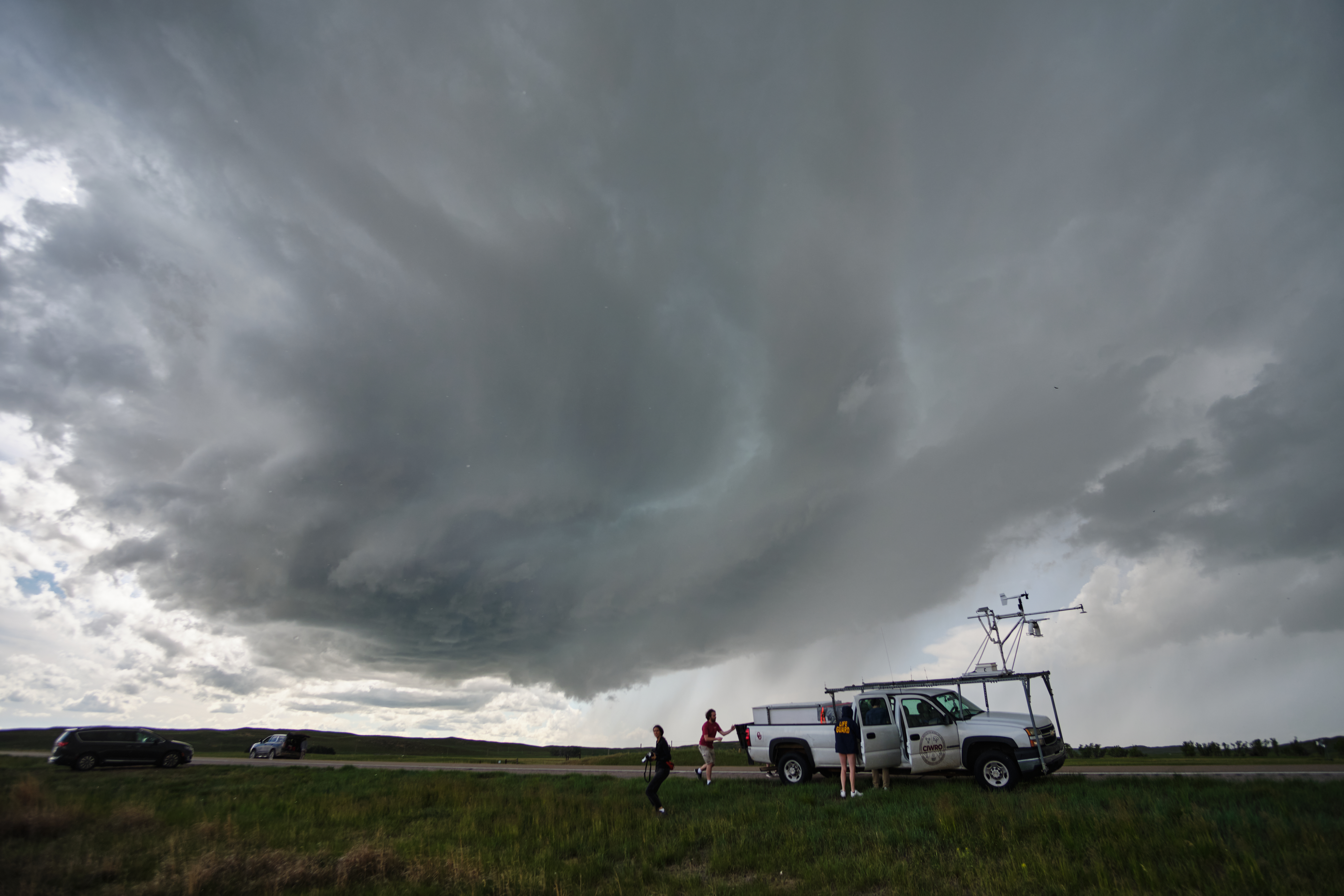
The University of Oklahoma will receive up to $220 million over five years from the U.S. Department of Commerce and the National Oceanic and Atmospheric Administration to continue the life-saving weather research led by the OU-NOAA Cooperative Institute for Severe and High-Impact Weather Research and Operations, extending a nearly 50-year partnership that has helped give Americans earlier, more accurate weather warnings
The OU Food Pantry won the annual Red River Food Fight, collecting 31,815.9 pounds of shelf-stable food and drinks to top UT Outpost’s 22,567 pounds. OU has won the competition four years in a row.