NEWS


OKLAHOMA CITY – As Halloween approaches, the Oklahoma Poison Center is alerting families to hidden dangers that can send children to the hospital. Marijuana edibles, nicotine products and even some medications are being packaged to look like candy – and children are mistaking them for treats.
The products are increasingly landing children in the hospital, says Kristie Edelen, Pharm.D., managing director of the Oklahoma Poison Center. From Jan. 1-July 31, 2025, the center received 125 calls involving children ages 0–5 who ingested marijuana. Of those, 45 children experienced moderate or major medical outcomes and 54 required hospital admission. In total, the center received 268 calls for marijuana exposures across all ages in just the first seven months of this year.
Nicotine exposures are also a significant concern. Over the same span, the center received 161 calls for children ages 0–5 related to tobacco or nicotine products. Forty of the calls involved nicotine pouches – small, candy-like products that are brightly packaged and appealing to children. Even small amounts of nicotine can cause nausea, vomiting, seizures or life-threatening effects in toddlers, Edelen says.
“These numbers are staggering and deeply concerning,” Edelen said. “When even one edible or nicotine pouch can cause serious harm to a child, every call like this represents a preventable emergency. Halloween only amplifies these risks, when candy and treats are everywhere.”
Hidden Dangers:
Safety Tips for Families:
The Oklahoma Poison Center is available 24/7 at 1-800-222-1222 to provide fast, free and confidential advice from pharmacists and registered nurses. For more information on poison prevention, visit oklahomapoison.org.
About Oklahoma Poison Center:
The Oklahoma Poison Center is dedicated to providing expert advice and support in cases of poisoning and exposure to harmful substances. Our mission is to prevent poisonings and reduce their impact through education, prevention, and providing emergency treatment recommendations. The Oklahoma Poison Center is a program of the University of Oklahoma College of Pharmacy. For more information, visit oklahomapoison.org.
About the University of Oklahoma
Founded in 1890, the University of Oklahoma is a public research university located in Norman, Oklahoma. As the state’s flagship university, OU serves the educational, cultural, economic and health care needs of the state, region and nation. For more information about the university, visit www.ou.edu.
The University of Oklahoma has received a transformative gift from Jon and Shannon McCartney, which will name the McCartney Family Tunnel of Champions, the McCartney Family Gate of the Gaylord Family - Oklahoma Memorial Stadium and the McCartney Family Grand Lecture Hall in the Michael F. Price College of Business. The gift will also support the Inspiring Champions and the Athletic Director’s Discretionary Fund, in addition to establishing the McCartney DFW Career Trek program at Price College.
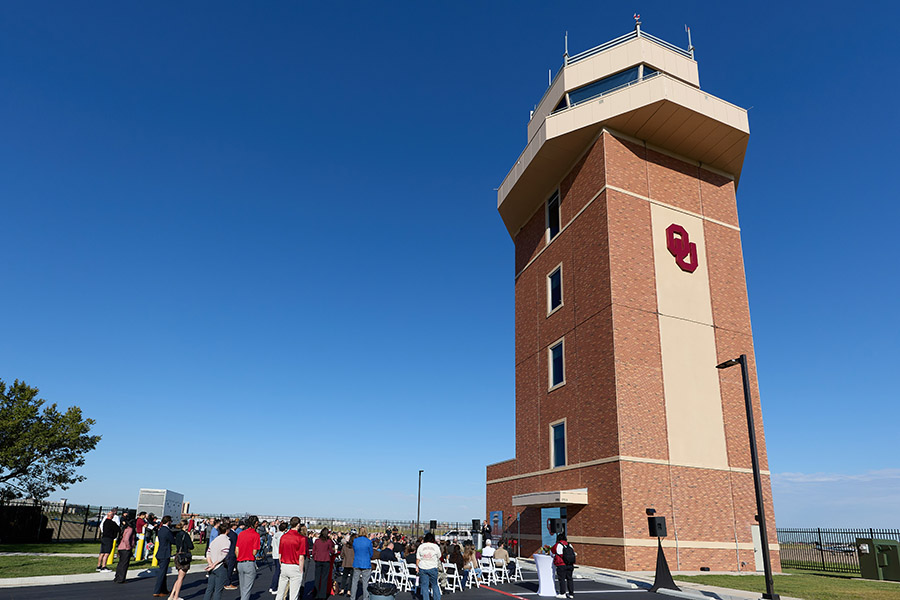
The University of Oklahoma today celebrated the opening of a new air traffic control tower at the OU Max Westheimer Airport. Standing 106 feet tall, more than double the current 52-foot facility, the new tower will modernize air traffic control operations and improve safety for pilots and students operating in the airspace.
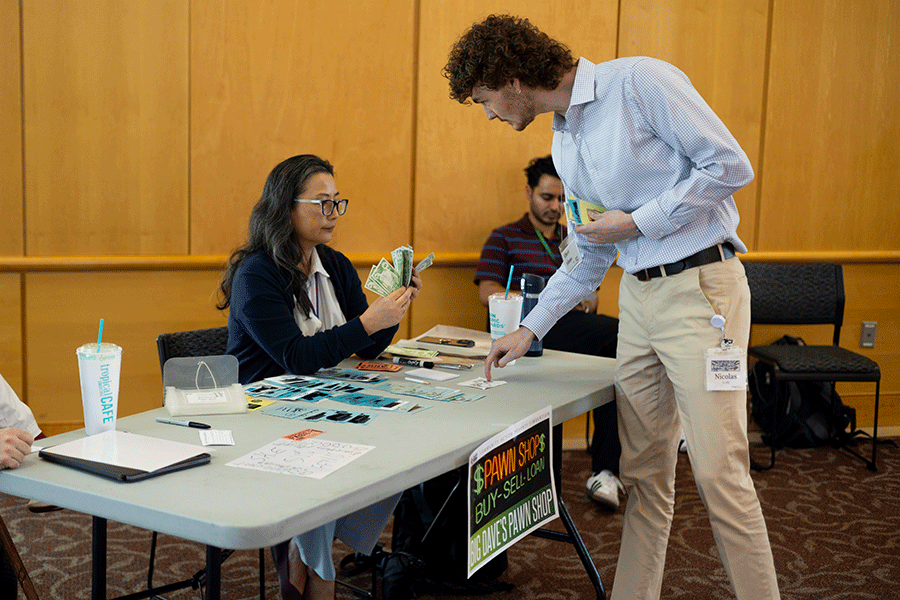
Do I buy groceries or pay the electric bill? Should I pawn some of my belongings to afford my prescription? My child is sick, so I will have to miss work to take care of him. Those are just a few of the difficult choices that OU-Tulsa health professional students confronted during the Community Access to Resources Experience. The role-playing activity challenged students to navigate the financial, family and other pressures that can affect a person’s health and ability to follow medical advice. Held annually during the SCM Institute orientation week, the experience is designed to generate understanding and build empathy.