NEWS


NORMAN, OKLA. – Proposed three-year bachelor’s degree programs are moving forward for review through the Oklahoma State Regents for Higher Education framework, enabling the University of Oklahoma to offer more efficient and affordable degree options aligned with state workforce needs.
The Oklahoma State Regents for Higher Education established the framework to guide evaluation of proposed three-year bachelor’s degrees, otherwise known as 90-credit-hour degree programs. The framework provides a structured process for assessing academic quality, workforce demand, student outcomes and accreditation standards while maintaining the rigor expected of Oklahoma’s public universities.
“At the University of Oklahoma, our responsibility is to prepare students for success and serve the needs of our state,” said OU President Joseph Harroz Jr. “We are grateful to Governor Stitt, the Oklahoma State Regents for Higher Education and the OU Board of Regents for their leadership in establishing a framework for three-year degree programs in Oklahoma. This framework allows OU to responsibly pursue more efficient approaches to degree completion in high-demand fields while maintaining academic quality and rigor.
“Also importantly, these degree programs position Oklahoma as a national leader in developing innovative degree models that uniquely fit the needs of our state to help lift our economy. The University of Oklahoma is honored to help lead the way.”
The programs are designed to reduce time to degree completion and lower student debt. OU will soon bring forward proposals in social work and cybersecurity for consideration under the State Regents’ framework, with a target implementation in the fall 2027 semester.
“These programs will be developed with attention to academic quality, student learning outcomes and accreditation standards,” said OU Senior Vice President and Provost André-Denis Wright. “Each proposal will undergo rigorous academic review to ensure the curriculum maintains the same major requirements, course sequencing, and disciplinary expectations, consistent with the standards of a research university.”
The University of Oklahoma anticipates additional opportunities may be considered through the same review process in the future based on academic quality, student success and workforce need.
About the University of Oklahoma
Founded in 1890, the University of Oklahoma is a public research university located in Norman, Oklahoma. As the state’s flagship university, OU serves the educational, cultural, economic and health care needs of the state, region and nation. For more information about the university, visit www.ou.edu.
From strengthening severe-weather preparedness to advancing national security, MITRE and the University of Oklahoma (OU) are joining forces to tackle some of the nation’s most critical challenges.
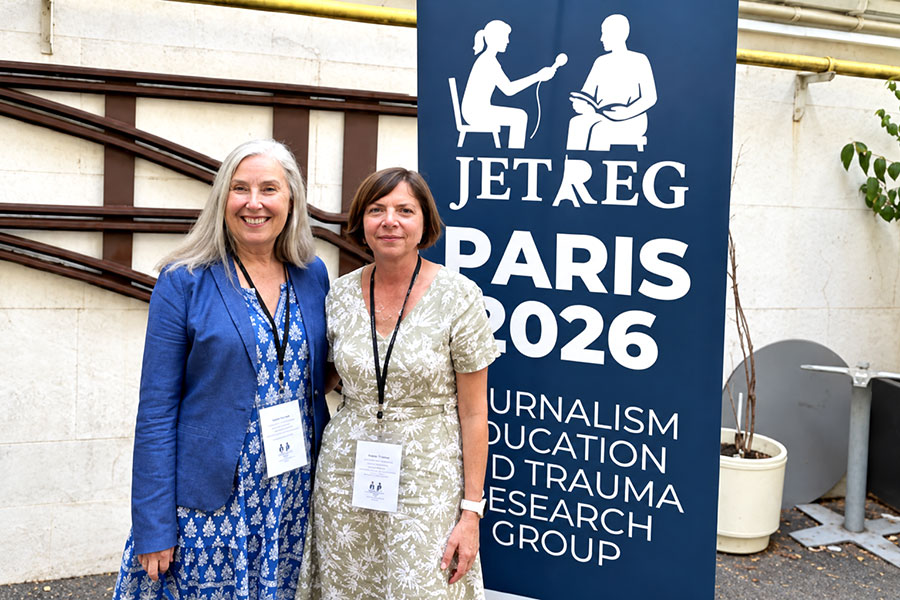
Desiree Hill was an executive producer at News 9 when the Oklahoma City bombing put local journalists in the middle of a story they would carry with them long after the coverage ended. Years later, she returned to the bombing as a researcher, interviewing journalists about its effects on their lives and work.
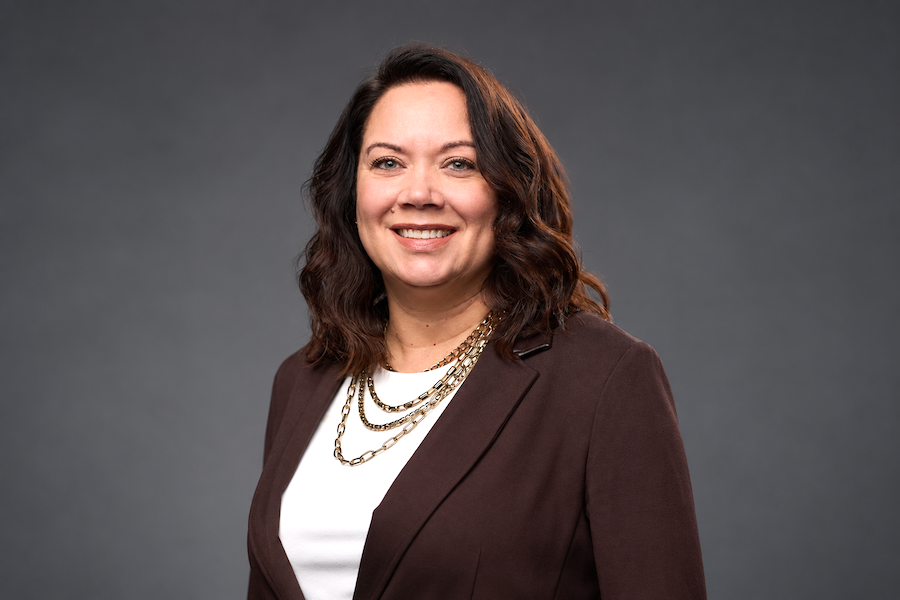
Jensen Moore, Ph.D., an associate professor of public relations at the University of Oklahoma’s Gaylord College of Journalism and Mass Communication, has been elected to a three-year term on the Association for Education in Journalism and Mass Communication’s Standing Committee on Professional Freedom and Responsibility.