NEWS


NORMAN, OKLA. – The University of Oklahoma has awarded nearly $200,000 in pilot seed funding to 20 artificial intelligence projects designed to spark innovation across health care, education, research and digital infrastructure. These faculty-led initiatives span a wide range of disciplines, showcasing OU’s commitment to empowering responsible and transformative uses of AI.
“These staff and faculty-led projects will move fast and create deliverables by the end of August,” said Yessenia Torres, senior managing director for the OU Data Institute for Societal Challenges, which is administering the initiative. “The researchers who are leading the projects will host office hours and workshops to invite anyone interested in their topics to learn more. The goal is to share their models so that others can replicate them."
The funded projects are:
Learn more about AI at OU, including research, use cases, news and more.
About the University of Oklahoma
Founded in 1890, the University of Oklahoma is a public research university located in Norman, Oklahoma. As the state’s flagship university, OU serves the educational, cultural, economic and health care needs of the state, region and nation. For more information about the university, visit www.ou.edu.
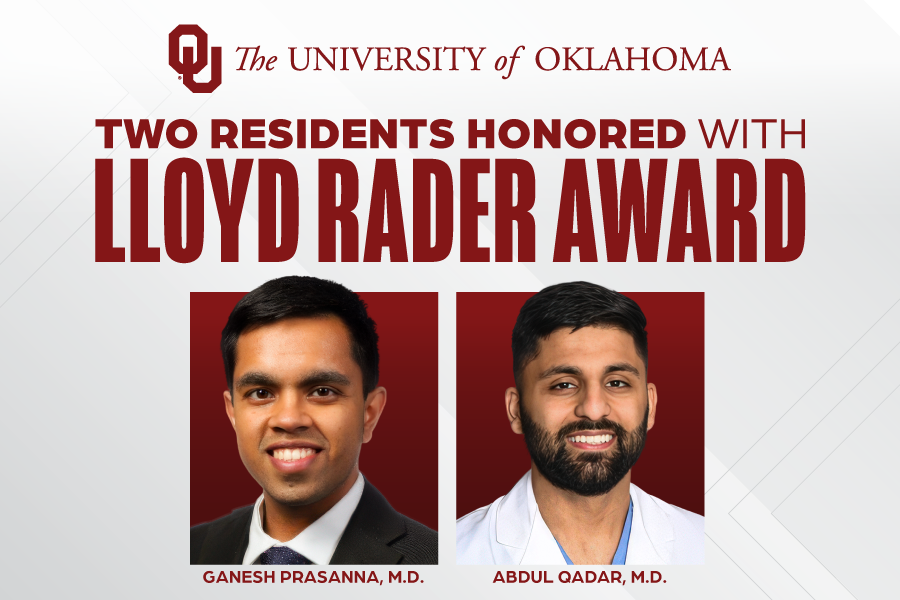
The University of Oklahoma College of Medicine has honored two residents with the Lloyd Rader Award, which recognizes outstanding clinical and research achievements in residency.
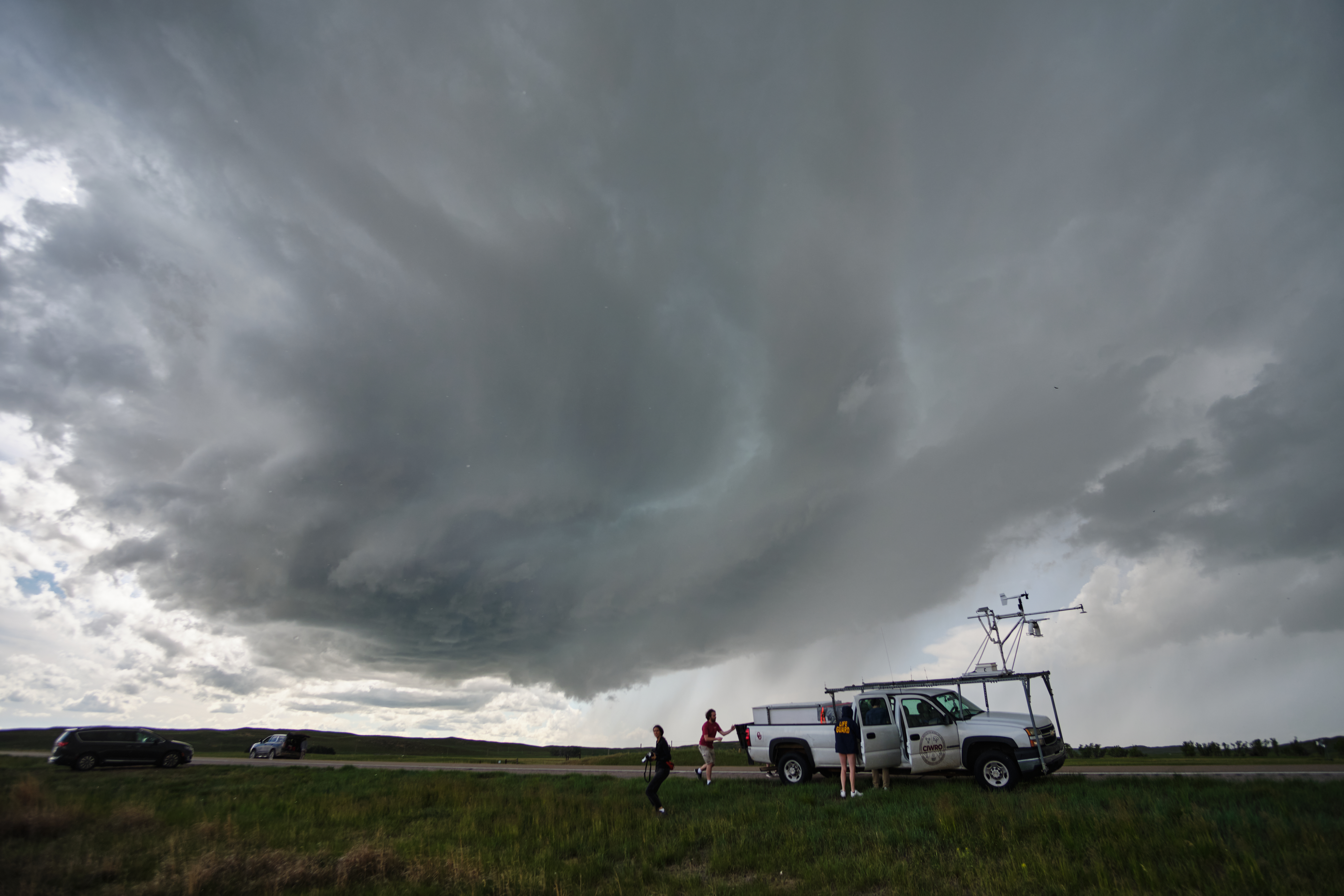
The University of Oklahoma will receive up to $220 million over five years from the U.S. Department of Commerce and the National Oceanic and Atmospheric Administration to continue the life-saving weather research led by the OU-NOAA Cooperative Institute for Severe and High-Impact Weather Research and Operations, extending a nearly 50-year partnership that has helped give Americans earlier, more accurate weather warnings
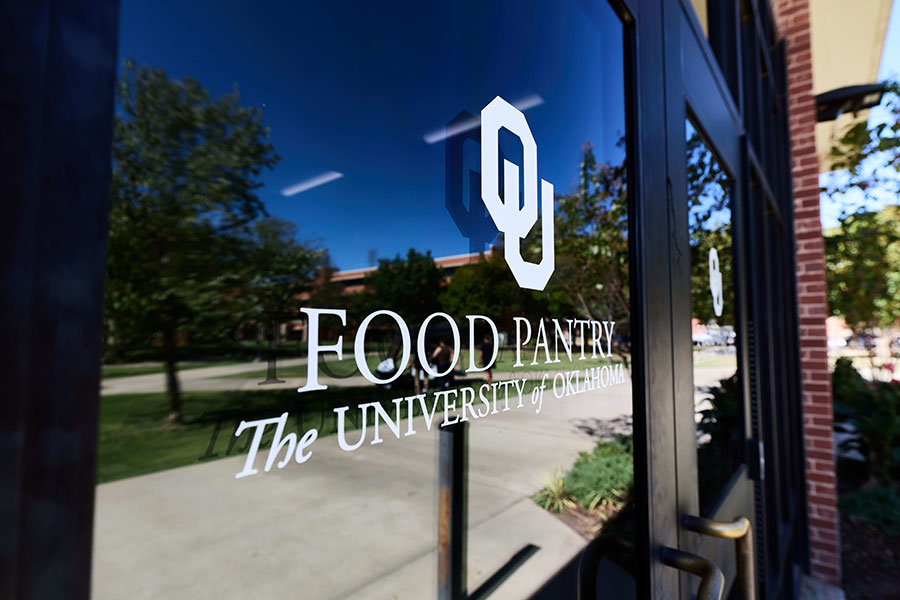
The OU Food Pantry won the annual Red River Food Fight, collecting 31,815.9 pounds of shelf-stable food and drinks to top UT Outpost’s 22,567 pounds. OU has won the competition four years in a row.