NEWS


NORMAN, OKLA. – Two proposals have been selected for funding through the Office of the Vice President for Research and Partnerships’ Strategic Equipment Investment Program. Equipment purchased under this program is expected to significantly advance research and creative activities across the university.
SEIP provides funding for the acquisition of strategic research equipment that enhances the capabilities and national competitiveness of interdisciplinary teams. The selected projects are expected to “provide new opportunities for advancing the team’s ability to achieve new goals in terms of creativity, discovery, innovation and competitiveness in securing external funding.”
The awarded proposals are:
This is the eighth offering of the Strategic Equipment Investment Program. Learn more about SEIP and other internal seed funding opportunities at ou.edu/research.
About the University of Oklahoma
Founded in 1890, the University of Oklahoma is a public research university located in Norman, Oklahoma. As the state’s flagship university, OU serves the educational, cultural, economic and health care needs of the state, region and nation. For more information about the university, visit www.ou.edu.
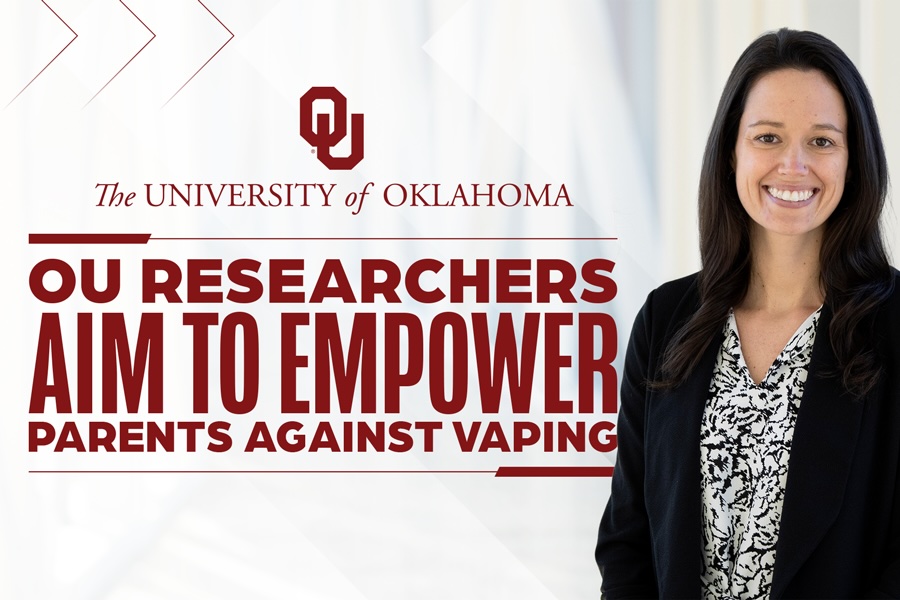
A new University of Oklahoma study will examine whether targeted social media messages can give parents the information they need to help prevent their children from vaping nicotine and cannabis.
The University of Oklahoma announced today a collaboration with Housr, a resource intended to make it easier for students to access information about off-campus living while strengthening connections between students and the Norman community.
The Soval Series, the University of Oklahoma’s suite of signature student experiences, will return to the historic South Oval on OU’s Norman campus this fall, including Showtime on the Soval featuring Chris Young, Beat Bevo Bash and Holiday Lights. The Soval Series is designed to foster connection, school spirit and memorable traditions among the student body and entire OU community.