

The Biological Survey is both a state agency and a research department of the University of Oklahoma. The Biological Survey includes the Oklahoma Natural Heritage Inventory, Oklahoma Natural Areas Registry, and the Robert Bebb Herbarium. Our faculty and staff are committed to providing the best available information on biodiversity in the state of Oklahoma. We do this through our surveys, inventories, and research on the state’s biodiversity. We also collect, curate, and share existing biodiversity data. We are committed to training students and the public in biodiversity science. To achieve our goals we work closely with other allied organizations throughout the state and region.

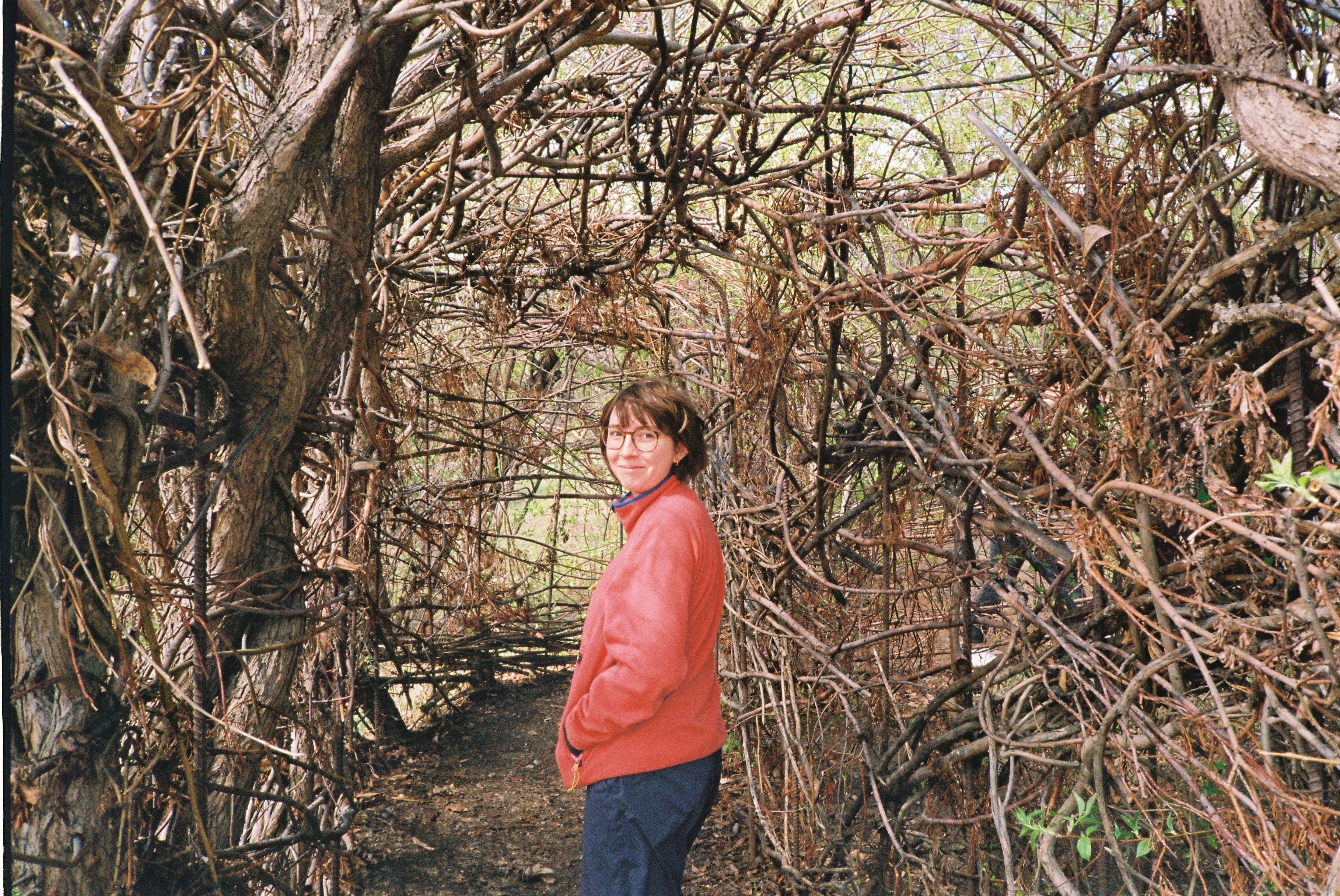
We are happy to welcome Katelynn McLaughlin, our new outreach coordinator and manager of the Oklahoma Natural Areas Registry. Katelynn graduated from OU in 2020 with a degree in Environmental Studies. She has worked at two other state agencies before joining us - Oklahoma Forestry Services and Oklahoma Department of Environmental Quality. She is also a vital volunteer at Martin Nature Park.
The Oklahoma Biological Survey and the School of Biological Sciences are looking for an Assistant Professor in Vector Biology & One Health (tenure-track) at the University of Oklahoma.
What we're looking for:
-Research on the biological foundations of and the effects of environmental change on arthropods of medical or veterinary importance
-Integration of field work with laboratory approaches
-Collaboration across OU and with tribal, agricultural, wildlife, and public-health partners
-Commitment to mentoring undergraduate and graduate students
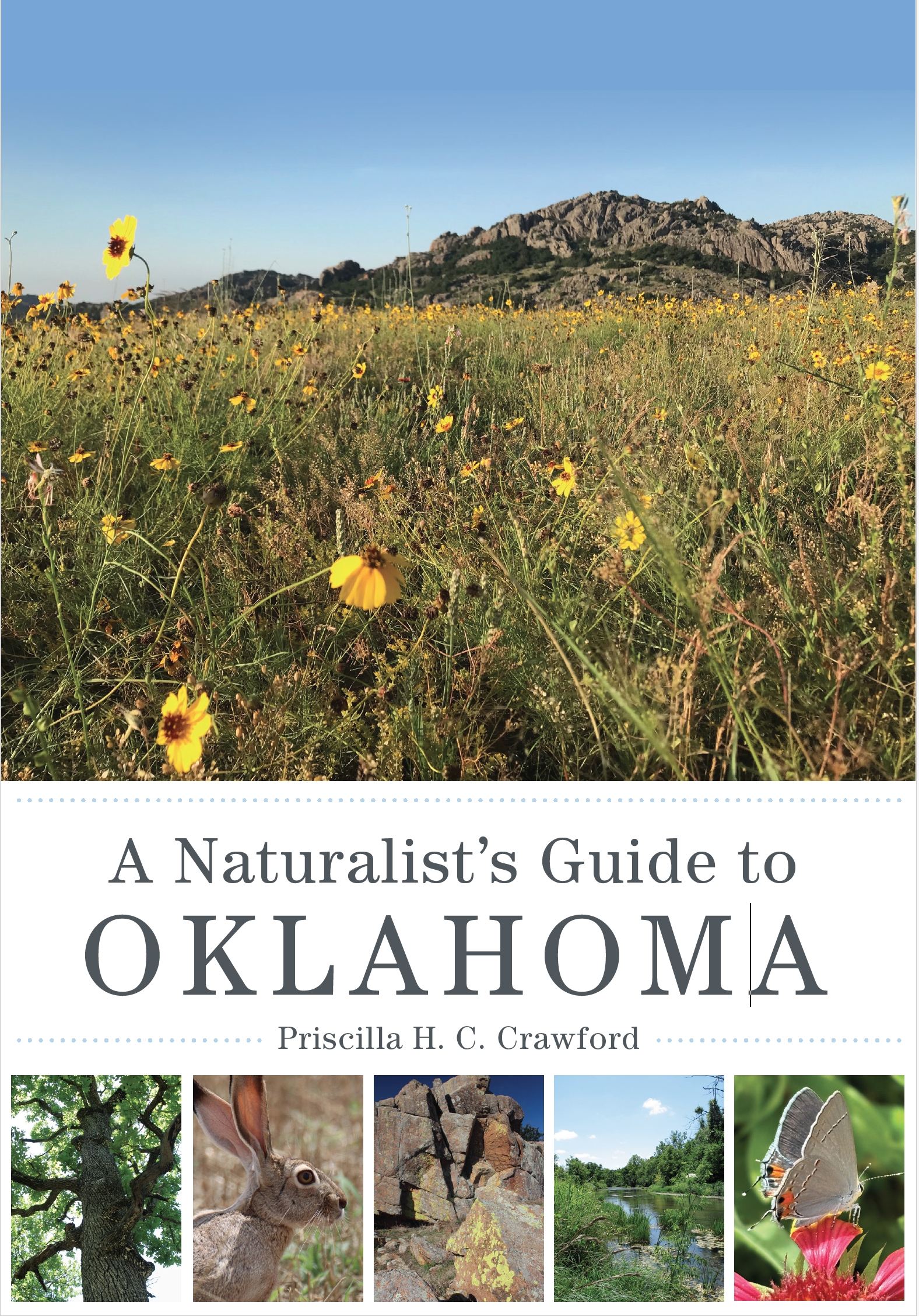
This friendly, color illustrated guide is perfect for citizen-scientists and curious wanderers as they set out to explore the state’s abundant natural diversity. Available Now!
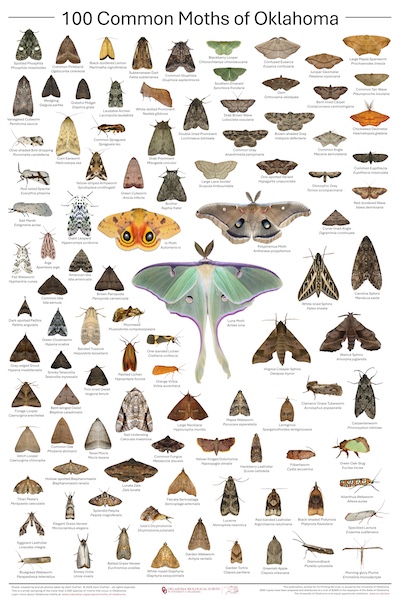
Created by Zach DuFran, Oklahoma's moth expert, this poster captures 100 of the state's amazing moths!
Dr. Caryn Vaughn has developed a new and comprehensive website about all the mussels found in Oklahoma.

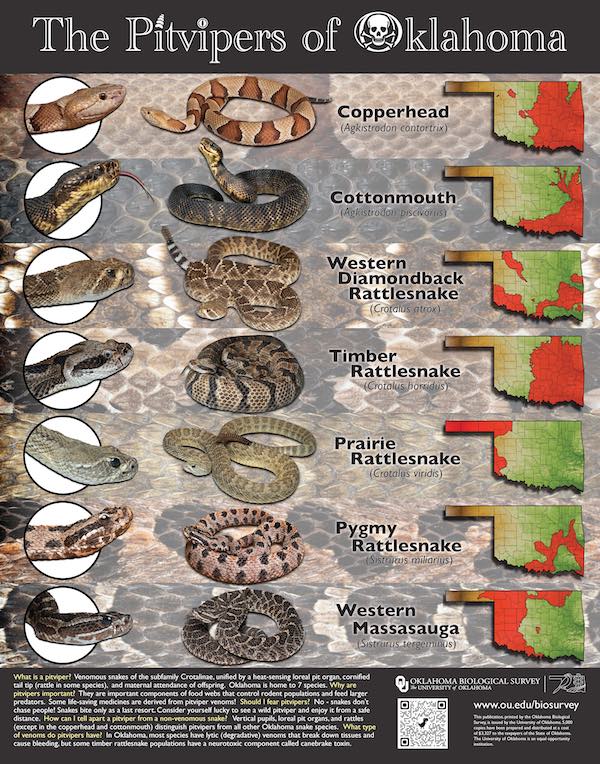
Featuring Oklahoma's seven venomous snakes, all of which are considered pitvipers, family Viperidae.
We are responisble for maintaining an inventory of the state's habitats and species. Our focus is on rare and endangered species, species of special concern, and significant ecological communities. Heritage biologists conduct field inventories of rare species and communities to gather current information about the state's biodiversity. We provide information for environmental planning, resource management, protection of significant natural areas, endangered species review, and biological research and education.
The Robert Bebb Herbarium (OKL) is maintained jointly by the Oklahoma Biological Survey and the School of Biological Sciences at the University of Oklahoma. The herbarium houses the largest collection of Oklahoma plants in the state. Specimens exceed 250,000 in number, with extensive collections of the families Poaceae, Asteraceae, Fabaceae, and Cyperaceae.
A voluntary conservation program for private landowners who have rare species, natural habitats, or unique geologic features on their property.
You can stay up to date with our events and projects by signing up for our newsletter. The Biodiversity Bulletin is sent out seasonally.
States, federal agencies, tribes, industry partners, and communities across the country are contributing through habitat restoration, rights-of-way initiatives, conservation programs, and public awareness campaigns. These coordinated efforts are expected to influence the future Endangered Species Act listing decision. Oklahoma’s statewide plan exists to align with these broad efforts and to guide coordinated actions within the state that will help sustain and recover the Monarch.
