NEWS

NORMAN, OKLA. – Be prepared. That was the consistent message delivered during the University of Oklahoma’s recent panel “Ethical Tribal Engagement: Tribal and University Collaborations.”
Panelists from Oklahoma tribal nations and OU emphasized that successful research partnerships begin long before a proposal is written – with preparation, relationship-building and respect for tribal sovereignty.
“The most successful relationships aren’t just proposal-driven. They are built on trust, co-creation and planning for long-term relationships beyond a grant cycle,” said Peter Kavourgias, collections manager and registrar at the Citizen Potawatomi Nation Cultural Heritage Center. He added that the center provides extensive information online and encourages visitors to review the website first to identify the most appropriate contact before reaching out.
The event was hosted Oct. 23 by OU’s Center for Faculty Excellence in collaboration with OU’s Office of Tribal Relations. Tana Fitzpatrick, J.D., associate vice president of Tribal Relations, served as moderator.
Beverly Felton (Absentee Shawnee), public health director for the Absentee Shawnee Tribal Health System, said her tribe’s public health division often serves as a liaison across tribal departments. She encouraged researchers to start with the right contacts and clarify community needs before pursuing projects, noting that the tribe frequently receives walk-ins and cold calls about research opportunities.
“The ideal partnership begins with understanding who to talk to and what the community truly needs,” Felton said. “That means engaging our medical directors, CEOs and attorneys early, so agreements are clear from the start.”
R. Blake Norton, director and Tribal Historic Preservation Officer at the Citizen Potawatomi Nation Cultural Heritage Center, stressed that tribes function as sovereign governments with their own priorities and review processes. He explained that each tribal government is structured differently, and departments may not always be aware of activities in other areas. For that reason, researchers are encouraged to learn about a tribe’s organization before reaching out, which helps ensure inquiries go to the right place and reduces the burden on tribal staff.
“For us, transparency and mutual benefit are key,” Norton said. “We’ve been fortunate to build lasting bonds, including a multi-year collaboration with OU’s Indigenous Media Portal. That project succeeded because we invested the time – nearly three years – to establish trust, agreements and a sustainable process that benefits both the university and our community.”
From the university’s perspective, Sierra Smith, director of OU’s Norman campus Institutional Review Board/Human Research Participant Protection office, described how OU works with tribes when research involves tribal communities.
“If a tribe has its own Institutional Review Board, we defer to them as the IRB of record,” Smith said. “If they don’t, we require clear documentation of collaboration and approval, and we encourage ongoing involvement throughout the research process. We want to be a resource, not a roadblock.”
Panelists advised OU researchers – especially those new to Oklahoma or to tribal research – to:
The panelists agreed that approaching tribes with humility, preparation and respect is the foundation for meaningful partnerships. “It really comes down to simple, open communication and ensuring projects serve the community first,” Norton said.
To learn more about the Office of Tribal Relations in the Office of the President, visit here. For information about the Center for Faculty Excellence, visit their website.
About the University of Oklahoma
Founded in 1890, the University of Oklahoma is a public research university located in Norman, Oklahoma. As the state’s flagship university, OU serves the educational, cultural, economic and health care needs of the state, region and nation. For more information about the university, visit www.ou.edu.
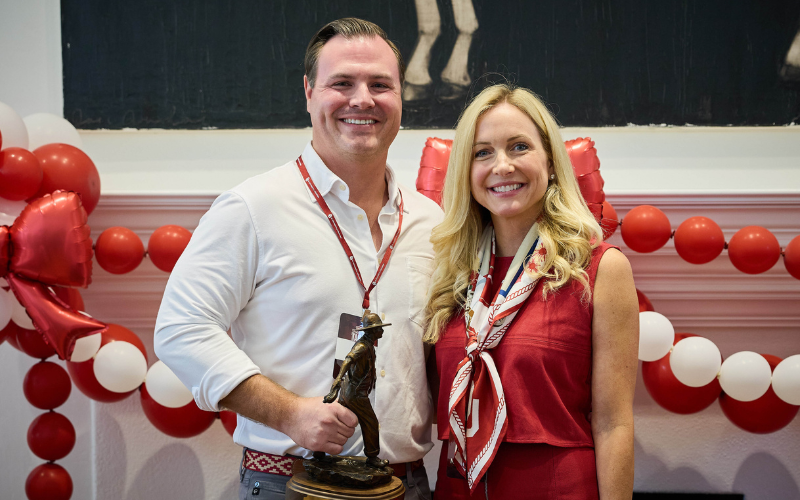
The University of Oklahoma has received a transformative gift from Jon and Shannon McCartney, which will name the McCartney Family Tunnel of Champions, the McCartney Family Gate of the Gaylord Family - Oklahoma Memorial Stadium and the McCartney Family Grand Lecture Hall in the Michael F. Price College of Business. The gift will also support the Inspiring Champions and the Athletic Director’s Discretionary Fund, in addition to establishing the McCartney DFW Career Trek program at Price College.
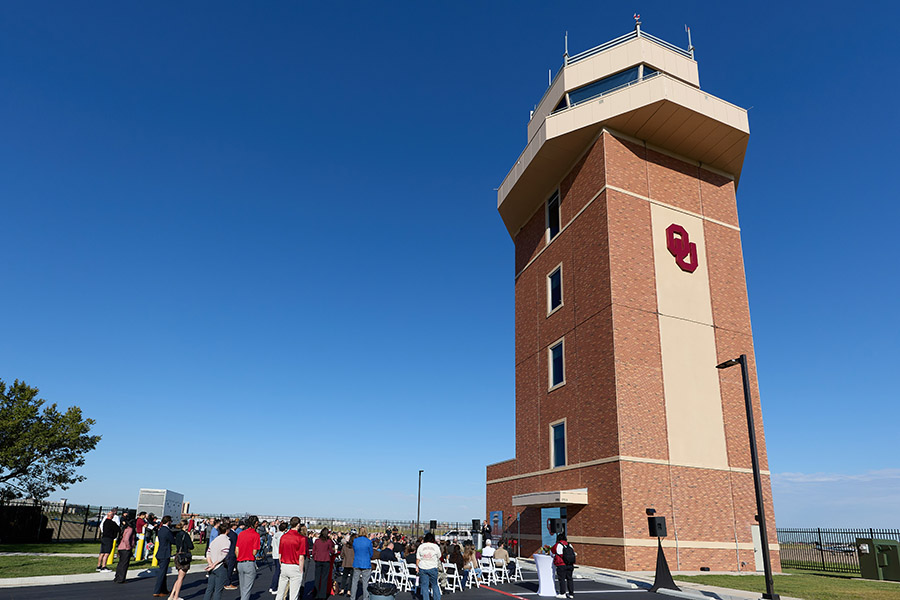
The University of Oklahoma today celebrated the opening of a new air traffic control tower at the OU Max Westheimer Airport. Standing 106 feet tall, more than double the current 52-foot facility, the new tower will modernize air traffic control operations and improve safety for pilots and students operating in the airspace.
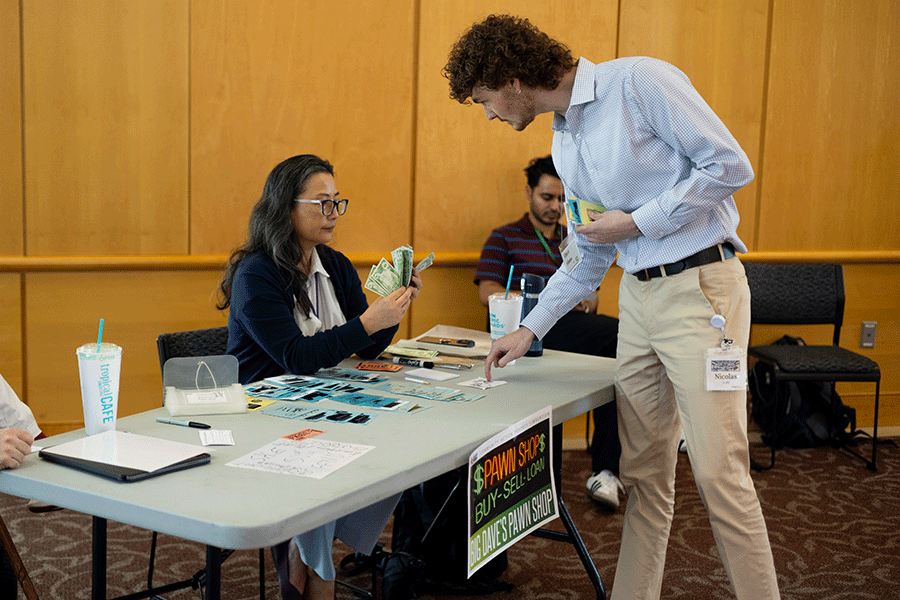
Do I buy groceries or pay the electric bill? Should I pawn some of my belongings to afford my prescription? My child is sick, so I will have to miss work to take care of him. Those are just a few of the difficult choices that OU-Tulsa health professional students confronted during the Community Access to Resources Experience. The role-playing activity challenged students to navigate the financial, family and other pressures that can affect a person’s health and ability to follow medical advice. Held annually during the SCM Institute orientation week, the experience is designed to generate understanding and build empathy.